
French judge opens probe into 2018 killing of Jamal Khashoggi
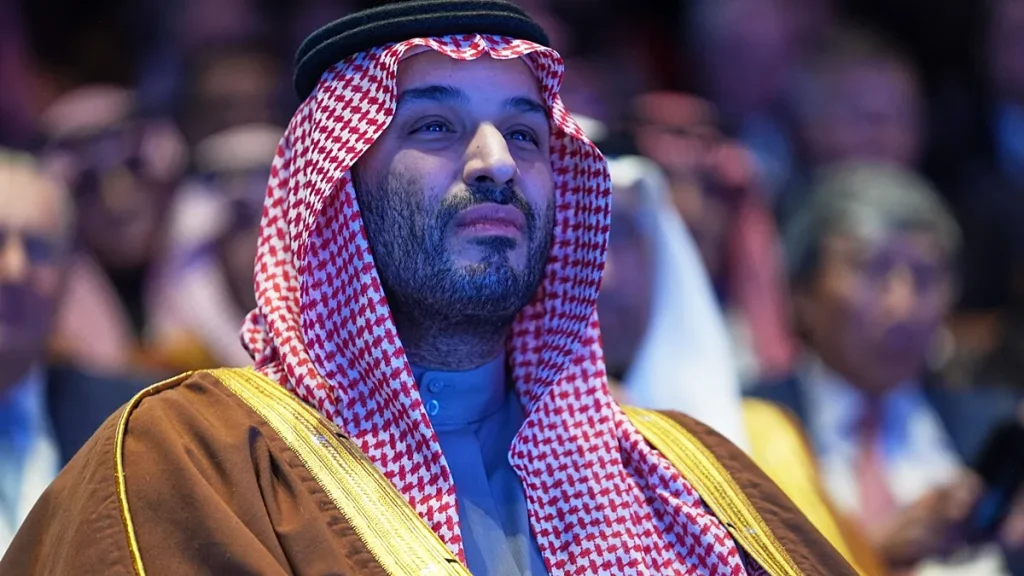
French Judge Investigates 2018 Killing of Jamal Khashoggi
French judge opens probe into 2018 – France has initiated a formal inquiry into the 2018 murder of Saudi journalist Jamal Khashoggi, following legal action led by two non-governmental organizations, Trial International and Reporters Without Borders (RSF). The probe centers on the disappearance of the prominent critic of Saudi Crown Prince Mohammed bin Salman, who was slain inside the country’s consulate in Istanbul. His body, reportedly sliced into pieces, remains missing to this day. The case has drawn international attention, particularly due to the U.S. intelligence services’ assertion that the crown prince bore direct responsibility for the killing.
Legal Petition and Initial Opposition
During his 2022 visit to France, Mohammed bin Salman faced scrutiny from Trial International and Democracy for the Arab World Now (DAWN), the organization that employed Khashoggi. The two groups filed a complaint against the prince, alleging involvement in his murder. Reporters Without Borders (RSF) later joined the case, amplifying the pressure on French authorities to act. However, the National Anti-Terrorism Prosecutor’s Office (PNAT) initially resisted the investigation, claiming that the NGOs lacked the legal standing to pursue such a case for a crime of this magnitude.
“France’s superior economic interests have created a realpolitik that shields Saudi authorities from accountability,” said Emmanuel Daoud, RSF’s lawyer.
Daoud’s criticism highlighted concerns about France’s diplomatic ties with Saudi Arabia. He argued that the decision to withhold an investigation was driven by political considerations rather than judicial rigor. This stance sparked debate over whether France was prioritizing its economic partnerships with the kingdom over the pursuit of justice for Khashoggi’s death. The controversy underscores the delicate balance between international relations and human rights advocacy in the legal system.
Accusations of Systemic Involvement
The NGOs accuse Mohammed bin Salman of orchestrating the murder as part of a broader pattern of repression. They argue that his subordinates executed the act of suffocation, which they describe as a deliberate effort to silence dissent. These allegations frame Khashoggi’s killing not just as an isolated incident but as a calculated move within a network of state-sanctioned violence. The court of appeal has acknowledged the possibility that such acts could constitute crimes against humanity, noting that the case may involve systemic violations of human rights.
While the PNAT initially hesitated, it has since confirmed that an investigating judge from the crimes against humanity unit will now review the complaint. This development marks a significant shift in the legal landscape, as France moves closer to formally examining the Saudi crown prince’s role in the killing. The case also raises questions about the extent to which the French judiciary can hold global leaders accountable without compromising its relationship with key allies.
DAWN’s Stance and the Path to Justice
DAWN, which had initially filed the complaint, expressed satisfaction with the decision to proceed. The organization emphasized that the investigation represents a crucial step toward uncovering the truth and delivering justice. Despite its early involvement, DAWN was unable to join the case as a civil party, leaving the legal process to rely heavily on the NGOs’ claims. This limitation has prompted discussions about the role of civil society in international legal proceedings and the challenges of securing participation from affected entities.
The case against Mohammed bin Salman has gained momentum as more evidence surfaces. While the crown prince has distanced himself from direct responsibility, he described the event as a “huge mistake” during a 2025 meeting with former U.S. President Donald Trump at the White House. This acknowledgment, though vague, has not fully satisfied critics who argue that his involvement remains unproven. The French investigation could provide a definitive legal framework to assess his role in the incident, potentially influencing global perceptions of Saudi Arabia’s human rights record.
International Implications and Saudi Reconciliation
Following widespread condemnation from the international community, Saudi Arabia has made efforts to rejoin global alliances. The 2025 Trump meeting symbolized a turning point in the kingdom’s diplomatic strategy, with the crown prince emphasizing cooperation and mutual benefit. However, the Khashoggi case continues to cast a shadow over these efforts, as the French probe adds another layer of scrutiny to the Saudi leadership’s actions. The legal proceedings in France could serve as a catalyst for broader accountability, challenging the narrative of Saudi Arabia’s return to the international fold.
The investigation also reflects France’s growing role as a mediator between Western democracies and authoritarian regimes. By taking a stand on the Khashoggi case, France is signaling its commitment to human rights, even as it navigates economic and political interests. The involvement of NGOs such as Trial International and RSF highlights the importance of civil society in pushing for transparency in high-profile cases. Their collaboration with the French judiciary underscores a collective effort to hold powerful figures accountable for acts of violence against journalists and activists.
As the probe unfolds, questions remain about the scope of the investigation and its potential outcomes. Will the French court determine that Mohammed bin Salman played a direct role in the murder, or will it conclude that he was merely complicit in a larger conspiracy? The answer could have far-reaching consequences, affecting France’s relations with Saudi Arabia and shaping the future of international justice. The case also serves as a reminder of the enduring impact of Khashoggi’s death on global discourse about freedom of expression and state-sponsored violence.
Legacy of a Tragic Disappearance
Jamal Khashoggi’s assassination in 2018 remains a defining moment in the fight for press freedom and political accountability. His disappearance from the Saudi consulate in Istanbul, followed by his dismemberment, shocked the world and galvanized human rights organizations. The French investigation, now in motion, offers a chance to revisit the events of that day and evaluate the actions of those involved. For Khashoggi’s family and supporters, the probe represents a long-awaited opportunity to seek justice for a crime that has left an indelible mark on international politics.
Despite the initial resistance from the PNAT, the French judiciary’s decision to proceed with the case demonstrates a willingness to confront powerful actors. This shift in approach has sparked optimism among advocates for justice, though it also highlights the challenges of maintaining impartiality in politically charged environments. The investigation will need to navigate complex legal arguments, including the classification of the crime as one of humanity. As the French judge delves deeper into the matter, the case could set a precedent for similar inquiries into state-led violence around the globe.
Meanwhile, Saudi Arabia continues to position itself as a reformist power, with Mohammed bin Salman promoting economic and social changes within the kingdom. However, the Khashoggi case remains a point of contention, exposing the tension between modernization efforts and the persistence of authoritarian practices. The French probe, while a small step in the larger context of international relations, could serve as a focal point for ongoing debates about accountability, justice, and the role of global powers in human rights advocacy.
The journey toward justice for Khashoggi is far from over, but the French investigation has opened new avenues for exploration. As the court of appeal emphasizes the possibility of crimes against humanity, the case may evolve into a landmark legal challenge. For now, the probe stands as a testament to the persistence of civil society and the judiciary’s role in holding even the most influential leaders accountable. The outcome could redefine France’s approach to international justice and strengthen its position as a defender of human rights in a world increasingly shaped by geopolitical interests.

