
Airlines cannot add fuel surcharges after ticket sales, EU says
Airlines cannot add fuel surcharges after ticket sales, EU says
Airlines cannot add fuel surcharges after – The European Commission has announced that airlines are no longer permitted to impose extra charges on passengers for flights purchased within the EU, regardless of sudden spikes in fuel costs triggered by the Middle East conflict. This ruling applies to all ticket sales conducted in the bloc, effectively banning the practice of adding fuel surcharges after the point of purchase. The decision was made following a guidance note issued to the EU transport sector, which explicitly prohibits price adjustments for flights once a ticket has been sold.
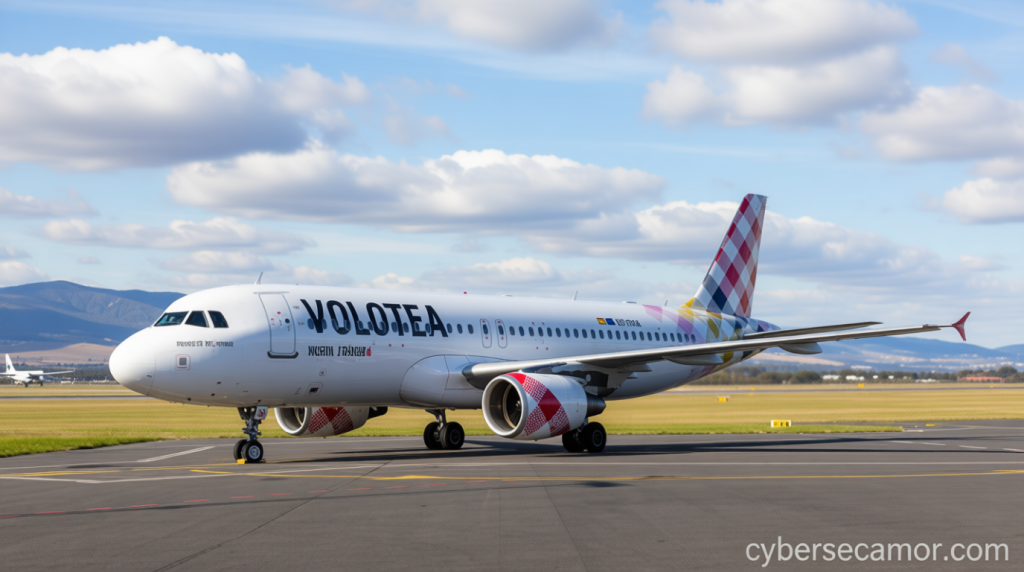
Spanish low-cost airline Volotea has been a notable example of this practice, introducing surcharges of up to €14 on tickets in recent weeks due to rising kerosene prices. The company describes its policy as a “Fair Travel Promise,” which has now been integrated into its updated terms and conditions. Under this approach, Volotea assesses fuel market prices seven days before a flight’s departure date, applying a surcharge if prices have increased or offering refunds if they have decreased. This adjustment is mandatory for passengers to secure their seat on the aircraft.
“All air ticket sellers are obligated to present the complete final price to passengers at the point of purchase, encompassing all applicable taxes, fees, and charges. Introducing a fuel surcharge post-purchase is not justified under current regulations,” stated a spokesperson for the European Commission.
The Spanish consumer advocacy group Facua has demanded an inquiry, asserting that Volotea’s method breaches existing regulations and raises concerns that other carriers might adopt similar strategies. The organization argues that such practices could lead to unfair financial burdens on passengers, particularly if airlines exploit market fluctuations to alter prices after sales. Volotea has not yet commented on the call for an investigation, though it remains under scrutiny for its approach.
The Commission emphasized that passengers affected by cancellations are still protected by EU air passenger rights. These rights ensure reimbursement, re-routing, or return options, along with airport assistance from the airline. While recent fuel price increases have led to flight cancellations by several European carriers, including Lufthansa, British Airways, and KLM, the Commission clarified that airlines are only exempt from financial compensation if they can prove the cancellations resulted from extraordinary circumstances, such as a local fuel shortage.
High fuel prices, attributed to the ongoing Middle East crisis, are not classified as “extraordinary circumstances” under the new guidelines. The Commission spokesperson noted that there is a distinction between elevated fuel costs and a supply crisis. “The responsibility of managing price volatility lies with the airlines themselves,” they explained. Despite the significant impact of rising fuel prices, the Commission maintains that these fluctuations are entirely foreseeable at the moment of ticket sale.
The recent surge in jet fuel costs has been driven by the closure of the Strait of Hormuz, a critical oil shipping route, since the Iran conflict escalated in February. This disruption has cut off approximately a fifth of the global oil supply, leading to a more than doubling of fuel prices. While this has forced airlines to cancel flights in the short term, the Commission asserts that these cancellations are not grounds for waiving compensation unless extraordinary conditions are proven.
For last-minute cancellations—defined as those occurring less than 14 days before the scheduled departure date—air carriers are still required to provide financial compensation. This can take the form of a full refund or a voucher for future flights of equal value. The EU’s stance aims to ensure transparency in pricing, preventing airlines from capitalizing on unforeseen market changes after tickets are sold. However, this rule has sparked debate among industry stakeholders, with some arguing that it limits airlines’ ability to adapt to volatile conditions.
Volotea’s policy has been criticized for creating a precedent that could destabilize the market. By adjusting prices post-purchase, the airline effectively shifts the financial risk to passengers, a move that consumer advocates believe undermines fair competition. The Commission’s guidance, however, seeks to standardize pricing practices across the EU, ensuring that all passengers receive a clear and final price at the time of booking. This approach also simplifies the process for travelers, eliminating the need to monitor fuel price fluctuations after their purchase.
The decision to restrict post-sale fuel surcharges comes as part of broader efforts to enhance consumer protections within the EU’s transport sector. The Commission highlighted that while fuel prices are a major component of airlines’ operational costs, they are not considered unpredictable or exceptional at the moment of ticket sale. This means airlines must factor in these costs when setting prices, rather than imposing them retroactively. The move is intended to prevent airlines from using fuel price volatility as a justification for sudden price hikes, which could confuse or disadvantage passengers.
Industry experts have pointed out that the ruling may have unintended consequences, particularly for airlines operating in regions with high fuel dependency. For instance, the closure of the Strait of Hormuz has had a disproportionate effect on carriers relying on Middle Eastern oil supplies, prompting them to reassess their pricing strategies. However, the Commission maintains that the practice of adding surcharges after purchase is a violation of transparency principles and that the final price must be communicated upfront.
As the EU continues to refine its regulations, the focus remains on balancing the needs of airlines and passengers. While the Commission acknowledges the financial strain caused by soaring fuel prices, it insists that these factors are predictable and should not be used to justify post-sale adjustments. This stance has positioned the EU as a guardian of consumer rights, ensuring that airlines operate within clear parameters and do not exploit market conditions to their advantage. The implementation of this policy will likely require close monitoring to assess its impact on both the industry and travelers.

