Is it finally time? Why the Fed may raise rates for first time since 2023.

Daftar Isi
Fed Faces a Tight September Choice as Inflation Pressures Build
Cybersecarmor.com – The Federal Reserve’s next policy meeting could mark a major turn in its approach to interest rates, with financial markets increasingly expecting the central bank to raise borrowing costs for the first time in more than three years.
Officials have kept the federal funds rate in a 3.5% to 3.75% range throughout 2026. But the discussion ahead of the Sept. 16 decision has shifted as inflation has accelerated while hiring has regained momentum. The central question for policymakers is no longer widely seen as whether to cut rates, despite calls from President Donald Trump and some administration officials for lower borrowing costs. Instead, the choice appears to be between holding steady and moving rates higher.
The federal funds rate influences a wide range of short-term borrowing costs across the economy. When the Fed raises its target, it is seeking to slow demand and contain price growth. Lower rates are generally used to support hiring and economic activity when the labor market weakens.
Inflation remains above the Fed’s goal
Consumer inflation has eased substantially from its 9.1% annual peak in 2022, but it has not returned to the Federal Reserve’s 2% target. The year-over-year consumer price increase stood at 3.4% in August, leaving policymakers with evidence that price pressures remain difficult to fully contain.
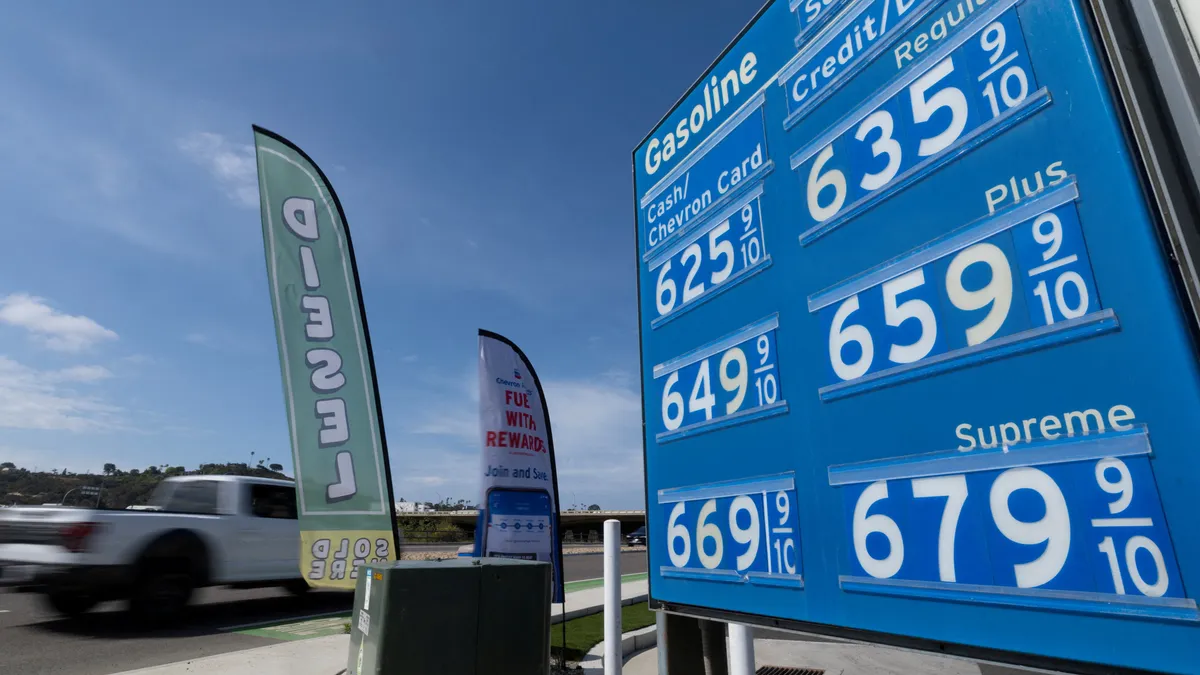
August data also showed consumer costs climbing again. Gasoline prices rose 3.9% during the month, contributing to the broader increase. Higher energy costs have been tied in part to supply disruptions associated with the Iran war and the Russia-Ukraine conflict. Central bankers often look past temporary supply shocks because monetary policy cannot directly create more oil or immediately reduce disruption-related costs.
Still, the Fed may become more concerned if higher energy prices spread through the economy and lift the cost of other goods and services. Consumers can feel that effect beyond filling stations, including in grocery bills, transportation expenses and prices throughout the broader economy.
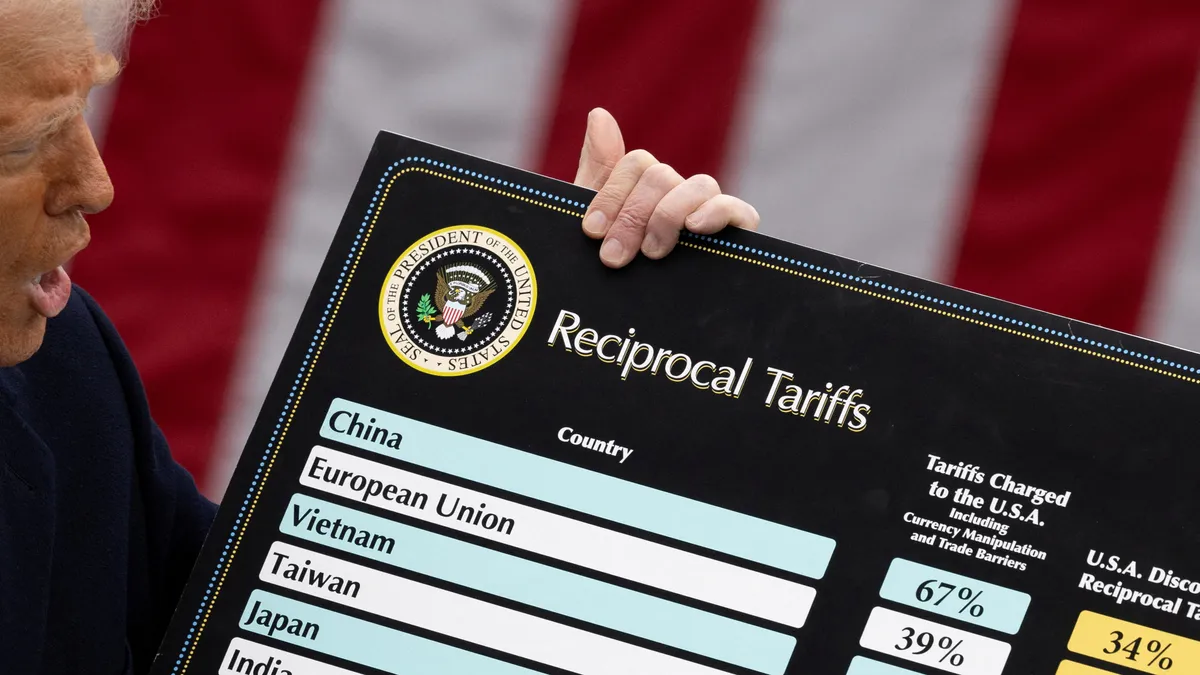
Other forces are also adding to persistent inflation concerns. Tariffs and the continuing expansion of artificial intelligence-related investment have been cited among the factors contributing to higher prices. For households, the result is an ongoing sense that the post-pandemic jump in everyday costs has not fully faded.
Job gains strengthen the argument for caution
Inflation is not the Fed’s only consideration. The labor market has also delivered signs of resilience, reducing the urgency for policymakers to provide rate relief. U.S. employers added 162,000 jobs in August, a rebound that followed a period of softer hiring.
Fed Chair Kevin Warsh characterized the labor market as “stable” on Aug. 28 and emphasized that rising prices should remain a central focus for the central bank.
“Price stability is not self-executing,” Warsh said. “It is the Fed’s job to deliver stable prices.”
That combination of firmer employment and inflation running faster than wage growth has made a rate increase more plausible. Analysts at Bank of America Global Research, KPMG Economics and Oxford Economics have indicated that the latest inflation figures strengthened the case for a hike, even though a move is not certain.
Jim Baird, chief investment officer at Plante Moran Financial Advisors, described the September decision as a potential tipping point for policymakers.
“Will their broad reading of economic conditions remain sufficiently benign for them to hold steady for now or will the moderate reacceleration in inflation represent a tipping point that nudges them to hike? That’s the question,” Baird said. “If policymakers choose to stand pat again, the questions surrounding what they’re waiting for will become louder and more direct.”
Markets lean toward a quarter-point increase
As of Sept. 13, most traders tracked by CME FedWatch expected the Federal Open Market Committee to lift the target range by one-quarter of a percentage point at its September meeting. Such a decision would place the rate between 3.75% and 4%.
Expectations become less settled later in the year. Slightly more than half of traders anticipated the Fed would leave rates in the 3.75% to 4% range at its October meeting. For December, slightly fewer than half expected another quarter-point increase, which would move the range to 4% to 4.25%.
Those projections are not guarantees. Market pricing changes quickly as new inflation, employment and spending data emerge. The Fed’s own quarterly Summary of Economic Projections, due alongside the September decision, should offer a clearer view of where committee members believe interest rates need to go.
The report includes each participant’s outlook for the appropriate path of rates. Warsh did not submit his own interest-rate projections in June, though other officials did, leaving investors especially attentive to his public comments and the committee’s collective outlook.
Why the outcome is still uncertain
Mike Skordeles, head of U.S. economics at Truist Advisory Services, has said a September increase is far from assured. The Fed must weigh whether the latest inflation data represent a broader trend or a temporary burst driven largely by energy-related pressures.
“The hike-hold debate is rather close,” Skordeles said. “There are a lot of reasons to go in either direction.”
Longer-term interest rates have already risen in financial markets, potentially tightening financial conditions without an immediate Fed move. At the July meeting, Warsh noted that higher nominal and inflation-adjusted Treasury yields could mean markets were already doing part of the central bank’s work to restrain inflation.
For consumers, a rate hike could eventually add pressure to some borrowing costs, including variable-rate debt and certain new loans. A decision to hold would not necessarily mean the Fed is comfortable with inflation; it could instead reflect a desire for more evidence before taking a step that may slow economic activity.
The September meeting therefore carries significance beyond a single quarter-point decision. It will signal how strongly the Fed believes renewed inflation demands action, how much confidence it has in the labor market’s stability, and whether officials see the recent rise in prices as a passing shock or a risk that requires a firmer response.
Related Reading
Frequently Asked Questions
What is Is it finally time Why the Fed?
Is it finally time Why the Fed is the main topic of this guide. The article explains the context, practical details, and next steps readers should understand.
Why does Is it finally time Why the Fed matter?
Is it finally time Why the Fed matters because readers are looking for a useful answer, not just a short summary. Good content should match search intent and help them decide what to do next.