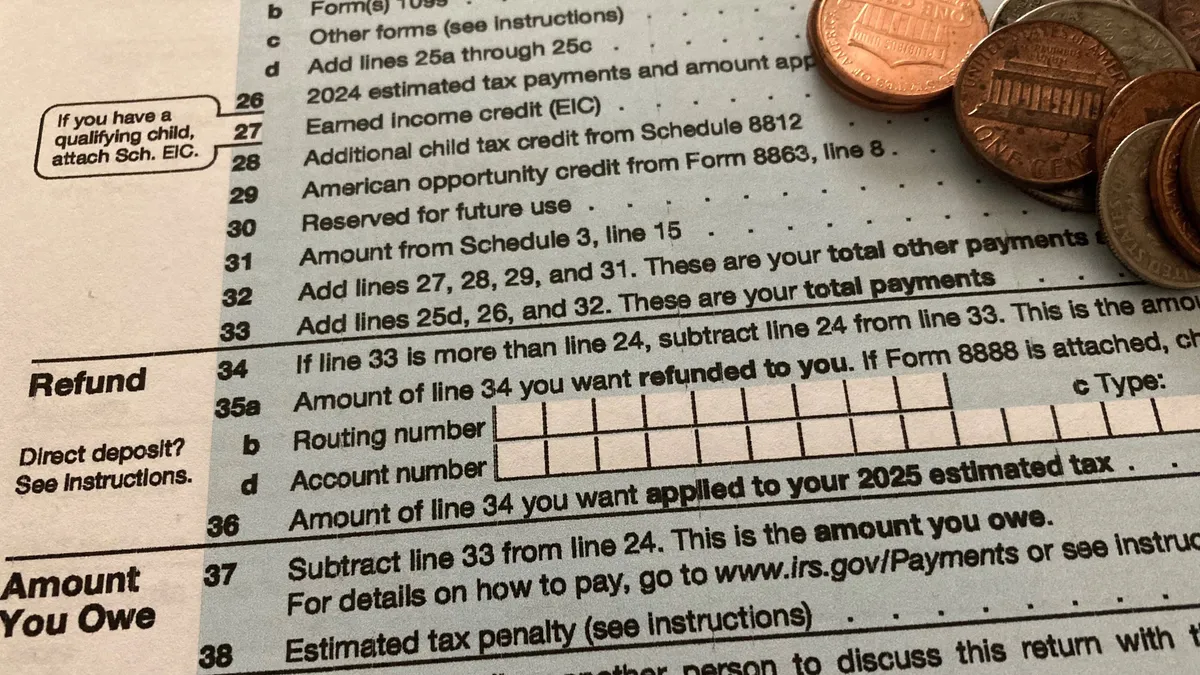
Childless Americans are feeling uneasy about retirement savings too

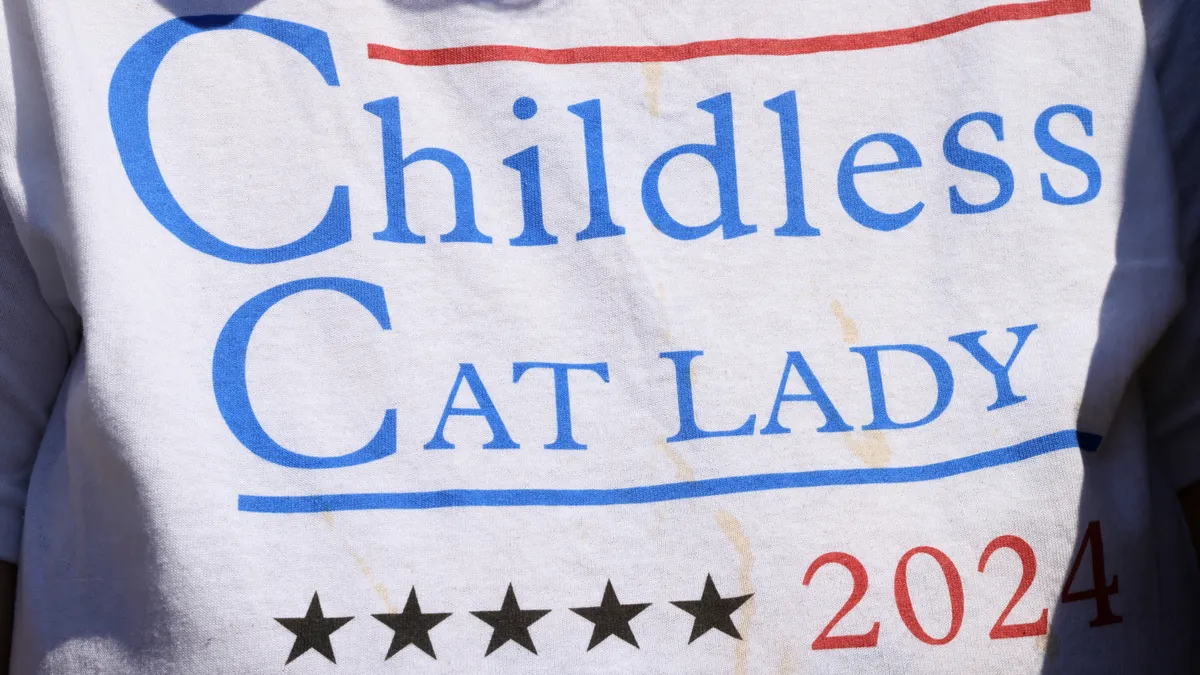
Daftar Isi
The Retirement Savings Gap No One Talks About: Childless Adults Are Less Prepared Than Parents
Cybersecarmor.com – Conventional wisdom holds that Americans who skip parenthood gain a financial edge — fewer mouths to feed, fewer school fees, fewer college tuition bills. Yet fresh survey data tells a very different story. Childless adults in the United States are significantly less confident about their retirement futures than their peers who raised children, and the gap is widening as more Americans choose or find themselves without offspring.
What the Numbers Reveal
The 2026 Annual Retirement Study, conducted by the Allianz Center for the Future of Retirement (a division of insurer Allianz Life), polled 1,000 Americans aged 25 and older in January. The results paint a stark picture: only 52% of childless respondents expressed confidence in their ability to save adequately for retirement. Among U.S. adults who have children, that figure jumps to 72%.
Worries about the cost of living eroding retirement plans are even more pronounced among those without kids. Seventy-one percent of childless respondents feared that rising everyday expenses would make a comfortable retirement impossible, compared with 64% of parents who shared that concern.
Perhaps most telling, 61% of adults without children said they simply cannot think about retirement savings at this moment, versus 53% of parents. Many described being consumed by day-to-day bills, leaving no mental or financial bandwidth for long-term planning.
Why the Assumption Fails
The findings directly challenge the notion that avoiding child-rearing costs automatically translates into greater savings capacity. In 2026, the cumulative expense of raising a child to age 18 surpassed $300,000 for the first time since LendingTree began tracking the figure in 2023. Layer on top of that an average annual college cost of roughly $38,000 — approximately $152,000 over four years — and the parental burden is enormous. Still, the data suggest that the absence of those specific expenses does not fill the void with disciplined saving behavior.
“It may seem counterintuitive that people without kids are less financially confident and more worried about retirement,” said Kelly LaVigne, vice president of consumer insights at Allianz Life. “But not having children – and the expenses that come with kids – doesn’t automatically mean you have a plan to save.”
Financial experts note that parenthood, for all its cost, often acts as a forcing function. It compels couples to open conversations about budgets, insurance, estate documents, and long-term goals. Without that external pressure, many adults drift through their working years without a coherent strategy.
“Parenthood often forces tough conversations about money,” LaVigne added. “Without that catalyst, too many Americans may be moving forward without a strategy.”
A Planning Vacuum
The survey data underscore a broader documentation gap. Sixty-two percent of childless Americans reported lacking any written financial plan, compared with just 42% of those who have children. The absence of a roadmap means savings goals remain vague, contributions stay minimal, and retirement dates slip further into the future.
The estate-planning deficit is equally alarming. A separate survey by Childfree Trust, which surveyed more than 600 adults, found that only 19.9% of childless respondents had executed a will, compared with 32% of the general population. More than 70% of childless adults reported having completed no legal planning documents whatsoever — no will, no trust, no power of attorney.
“Planning usually assumes Americans have a next of kin,” said Jay Zigmont, chief executive of Childfree Trust, which provides financial and estate planning services tailored to people without children. “People have wills because they have kids,” he noted, “but everyone really should have one.”
A Growing Demographic
The urgency of these findings is amplified by demographic trends. A U.S. Census Bureau report released in 2021 documented that more than 15 million adults aged 55 and older — roughly 16.5% of that age cohort — were childless as of 2018. Looking forward, a Pew Research Center survey of over 2,500 adults found that the share of Americans under 50 who said they were unlikely to ever have children climbed from 37% in 2018 to 47% in 2023.
In other words, the population segment most at risk of entering retirement without adequate savings is expanding rapidly. If current behavioral patterns persist, a substantial wave of older adults will reach their 60s and 70s with thin retirement accounts, no written plan, and no estate documentation.
The Singles Tax and Structural Disadvantages
Compounding the behavioral gap are structural financial disadvantages that single adults face throughout their working lives. Brittany King, a survey statistician in the Census Bureau’s Fertility and Family Statistics Branch, wrote in 2022 that 60% of never-married Americans held no retirement savings at all.
Part of the explanation is what commentators call the “singles tax” — not a line item in the Internal Revenue Code, but a cumulative disadvantage spanning taxes, housing costs, insurance premiums, and retirement contribution limits. A 2013 analysis estimated the lifetime financial penalty of remaining single could reach as much as $1 million when all these factors are aggregated over a career.
Marilyn Waters, 76, who has lived in central New Jersey and describes herself as single for most of her adult life, offered a personal perspective. Although she raised two children alone, beginning when they were ages 7 and 10, she said the tax advantages she received as a single head of household still fell short of what married couples gained through joint filing.
“I was able to benefit from filing as single head of household while raising them, (but) it still wasn’t as good as joint filing by married couples,” Waters said.
What It Means for Policy and Personal Finance
The convergence of these factors — lower savings confidence, absent written plans, missing estate documents, structural tax and housing disadvantages, and a rapidly growing childless population — points toward a retirement readiness crisis that existing financial-education frameworks have largely overlooked. Most employer-sponsored retirement counseling and public-sector outreach assumes a household with dependents. Tailored guidance for childless adults, particularly those approaching their 50s without a written plan, remains scarce.
For the individual reader, the practical takeaway is straightforward: the absence of children removes a specific set of expenses but does not install a savings strategy. Without deliberate, documented planning — a written budget, consistent retirement contributions, and executed estate documents — the financial trajectory of a childless adult can quietly deteriorate over decades, leaving little room for correction once retirement arrives.
Related Reading
Frequently Asked Questions
What is Childless Americans are feeling uneasy about?
Childless Americans are feeling uneasy about is the main topic of this guide. The article explains the context, practical details, and next steps readers should understand.
Why does Childless Americans are feeling uneasy about matter?
Childless Americans are feeling uneasy about matters because readers are looking for a useful answer, not just a short summary. Good content should match search intent and help them decide what to do next.