
WHO says Ebola risk now ‘very high’ in DR Congo
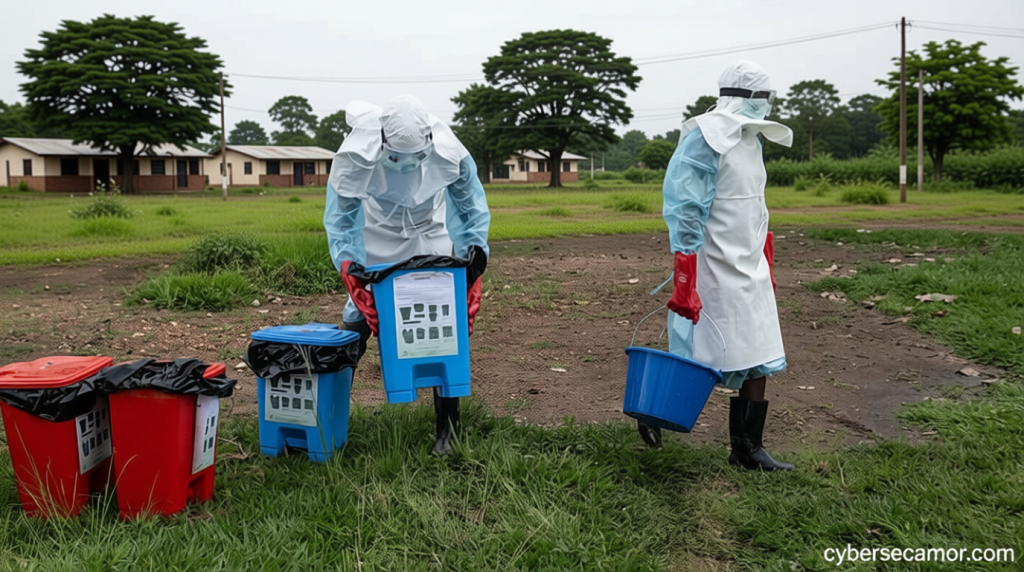
WHO says Ebola risk now ‘very high’ in DR Congo
WHO says Ebola risk now very – The World Health Organization has escalated the public health risk assessment linked to the Ebola outbreak in the Democratic Republic of Congo, moving it from “high” to “very high.” This update, released on Friday, highlights the growing concern over the virus’s spread and the potential for increased transmission within the region. Director-General Tedros Adhanom Ghebreyesus emphasized the severity of the situation during a press briefing, stating that the epidemic in DR Congo is significantly larger than previously estimated.
As of the latest report, 82 confirmed cases of Ebola have been documented in the country, with seven fatalities recorded. However, the true scale of the outbreak remains uncertain, as approximately 750 cases are suspected, and 177 deaths are under investigation. “We know the epidemic in the DRC is much larger,” Tedros remarked, underscoring the need for intensified surveillance and response efforts. Despite the alarming rise in cases, the global risk from the disease remains classified as low, according to the organization.
The outbreak is attributed to the Bundibugyo strain, a less common variant of the Ebola virus that has not yet been associated with a confirmed vaccine. This strain has posed unique challenges for health authorities, as its characteristics differ from the more prevalent Zaire ebolavirus. The virus has already crossed into neighboring Uganda, where two cases have been confirmed and one death has been reported. This development raises concerns about regional containment and the possibility of further spread.
International attention has been drawn to the situation following the case of a U.S. national who contracted the disease while working in DR Congo. The individual was transferred to Charité hospital in Berlin for treatment earlier this week, where they are currently being monitored. The hospital’s statement noted that the patient had been “severely weakened” but was not in a critical condition. “Because the course of the illness can change, he remains under close observation and is receiving treatment,” it added, emphasizing the high-security measures in place to prevent any potential outbreak in the hospital.
Tedros also mentioned reports of another U.S. national, considered a high-risk contact, being moved to the Czech Republic for further care. This underscores the global collaboration in managing the outbreak, with countries taking proactive steps to isolate potentially infected individuals. In the Netherlands, Radboud University Hospital reported the admission of a patient with a “low suspicion” of Ebola, placing them in isolation until diagnostic tests confirm the presence of the virus. Such precautionary measures reflect the broader strategy of preventing international transmission.
The World Health Organization’s decision to raise the risk level comes as the virus continues to challenge healthcare systems and communities in DR Congo. Local outbreaks often face obstacles such as limited resources, political instability, and difficult access to remote areas. These factors complicate containment efforts, particularly in regions where the Bundibugyo virus is active. Health officials are working to expand testing capabilities and improve communication with affected populations to curb the spread.
Ebola, a severe and often fatal illness, was first identified in 1976 near the Ebola River in what is now the Democratic Republic of Congo. The Centers for Disease Control and Prevention reports that up to 90% of confirmed cases result in death, though survival rates can vary depending on access to medical care and the strain of the virus. Common symptoms include fever, weakness, gastrointestinal issues, and vomiting, which can progress rapidly in severe cases.
While the global risk remains low, the situation in DR Congo demands urgent action. The WHO has called for increased funding and international support to strengthen response efforts. This includes deploying medical teams, setting up treatment centers, and enhancing community engagement to ensure compliance with safety protocols. The organization also highlights the importance of monitoring the virus’s evolution and its potential impact on future outbreaks.
Experts warn that the Bundibugyo virus, though less frequently encountered, can be just as deadly as other strains. Its ability to spread through direct contact with bodily fluids means that outbreaks can persist if containment measures are not strictly followed. The WHO’s updated risk assessment serves as a reminder of the virus’s unpredictable nature and the need for sustained vigilance.
International cooperation plays a vital role in addressing the outbreak. Countries like Germany and the Czech Republic have taken steps to accommodate suspected cases, ensuring that medical facilities are equipped to handle potential infections. The Netherlands’ case illustrates how even low-risk scenarios are treated with caution, reinforcing the global commitment to preventing the virus’s spread.
As the situation evolves, health authorities in DR Congo and its neighbors are working to coordinate efforts. This includes sharing data, mobilizing resources, and implementing public health campaigns to educate communities about prevention. The WHO’s updated classification of the risk level aims to galvanize support and highlight the urgency of the situation. With the outbreak now deemed ‘very high’ in DR Congo, the focus remains on containing the virus and minimizing its impact on public health.
Experts emphasize that the outbreak’s trajectory will depend on the effectiveness of current interventions. While the initial cases are concerning, the response so far has prevented a larger-scale epidemic. Continued monitoring, timely reporting, and international collaboration are critical in mitigating the risk and ensuring that the situation remains under control. The WHO’s reassessment serves as both a warning and a call to action for global health leaders.
Ultimately, the classification of the risk as ‘very high’ underscores the dynamic nature of the Ebola threat. With the Bundibugyo virus still active and new cases emerging, the challenge of containment remains significant. The international community must remain prepared to respond swiftly, ensuring that medical facilities are equipped, and that affected populations receive the necessary support to navigate this ongoing crisis.

