
US says people seeking green cards must leave the country to apply
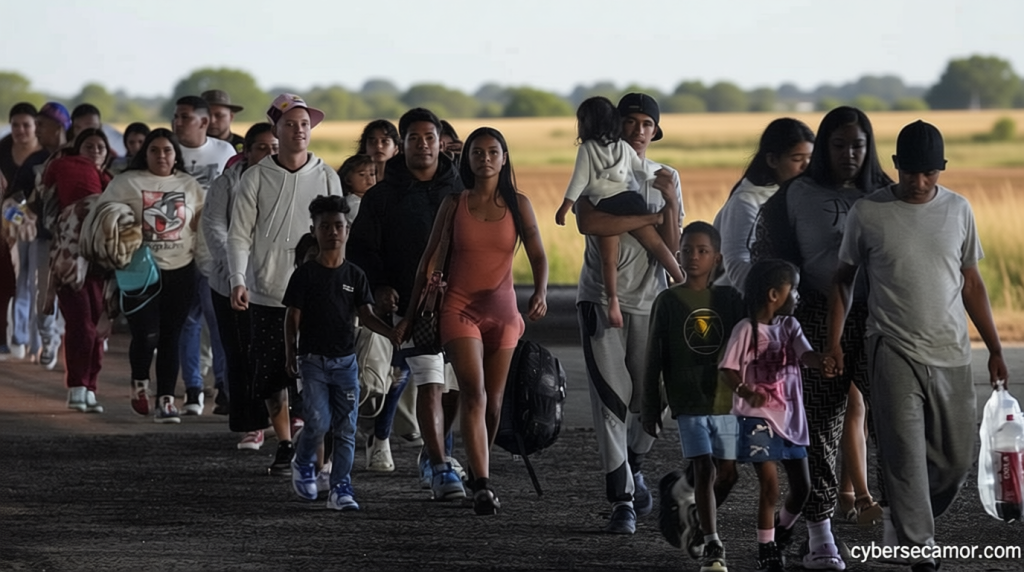
US Announces New Requirement for Green Card Applicants to Apply Abroad
US says people seeking green cards – Following a major shift in immigration policy, the United States Citizenship and Immigration Services (USCIS) has mandated that most individuals pursuing permanent residency must submit their applications from outside the country. This change, which took effect on Friday, affects those currently in the U.S. on temporary visas, including work, tourism, or study permits. Under the new rules, applicants seeking green cards will be required to leave the United States and complete the process at a consulate in their home country. The policy aims to streamline the immigration system and close perceived gaps that have been exploited over the years.
According to USCIS Spokesman Zach Kahler, the decision is intended to ensure that the legal framework of immigration operates as it was originally designed. “From now on, any alien residing temporarily in the U.S. who wishes to obtain a Green Card must return to their home country to apply, with limited exceptions,” Kahler stated. “This approach eliminates the incentives for using loopholes within the U.S., which has often led to delays and inconsistencies in processing.” He further explained that requiring applicants to go through consular procedures reduces the likelihood of individuals staying in the country illegally after being denied residency. “When people apply from their home country, it simplifies the system and ensures that those who wish to remain in the U.S. permanently are properly vetted,” Kahler added.
The new policy represents a departure from the previous system, which allowed eligible migrants to adjust their status within the United States. Under the old process, individuals on temporary visas could transition to permanent residency without leaving the country, provided they met specific criteria such as marriage, employment, or family connections. This flexibility, while beneficial for many, also created opportunities for exploitation. Now, with the requirement to apply abroad, the process has become significantly more rigorous. Immigration lawyers have expressed concerns about the potential impact on applicants, particularly those who may be unable to return home due to safety issues or lack of access to consular services.
Applying for a green card typically involves a lengthy review, often spanning several months. This means that individuals now face the challenge of being temporarily separated from their families and jobs while their applications are pending. For example, a person on a temporary work visa may have to leave the U.S. to apply for residency, disrupting their employment and forcing them to relocate. Similarly, students or tourists might need to return to their countries of origin, potentially losing access to education or travel opportunities. The policy has raised questions about its practicality and fairness, especially for those who have established lives within the United States.
Immigration advocates and legal professionals have highlighted the potential consequences of the new rule. Shev Dalal-Dheini, a senior director at the American Immigration Lawyers Association, noted that the USCIS is “attempting to disrupt decades of adjustment-of-status procedures that have long been in place.” “This change will have a significant effect on the way people seek residency,” he said. “It’s not just about applying from abroad—it’s about shifting the entire process to a different jurisdiction, which could create additional hurdles for applicants.” Jessie De Haven, a senior staff attorney at the California Immigration Project, echoed this sentiment. “It’s difficult to predict how this will be implemented, especially for cases that don’t clearly fit the ‘extraordinary circumstances’ exception,” she remarked. “I believe this could discourage many from pursuing residency, especially those who are unsure about the future.”
The policy change is part of a wider strategy by the Trump administration to tighten immigration controls. Over the past few years, the government has focused on reducing legal pathways for entry while increasing measures to deter unauthorized immigration. This includes stricter border checks, expedited removal processes, and the introduction of new requirements for visa holders. The new green card rule aligns with these efforts, reinforcing the idea that permanent residency should be pursued through a more controlled and transparent process. Advocacy groups have also raised concerns about the impact on vulnerable populations, including those fleeing violence or political persecution. “Many individuals who apply for residency in the U.S. do so because they have no safe options elsewhere,” said one aid organization representative. “Forcing them to return home could put them at risk.”
Legal experts are now analyzing the potential exemptions to the new policy, which may apply in cases of extraordinary circumstances. These include situations such as critical medical needs, family emergencies, or cases where the applicant’s home country is unstable. However, the definition of “extraordinary circumstances” remains unclear, leaving room for interpretation. Some lawyers are questioning whether the administration will provide sufficient guidance to ensure consistency. “The policy needs to be clearly outlined so that applicants and legal professionals can understand the requirements,” said another attorney. “Otherwise, it may lead to confusion and inconsistent application.”
Despite the challenges, the USCIS maintains that the new approach will strengthen the immigration system by reducing the number of individuals who slip into the shadows after being denied residency. By requiring applicants to submit their cases from abroad, the agency believes it can better assess their eligibility and ensure they meet all legal criteria. This has been a key objective of recent immigration reforms, which aim to prioritize those who are most committed to the U.S. and its values. However, critics argue that the policy could have unintended consequences, such as deterring skilled workers or families from staying in the country. “It’s a bold move, but we need to see how it plays out in practice,” said a legal analyst. “The impact on different groups may vary, and it’s important to evaluate the long-term effects.”
As the policy takes effect, the focus will shift to how it is implemented. Immigration lawyers are preparing to advise clients on the necessary steps to comply with the new rules, while advocates continue to push for exceptions that could ease the burden on certain applicants. The change has sparked a debate about the balance between national security and the rights of immigrants, with many arguing that it could both protect the system and challenge the ability of individuals to build lives in the U.S. For now, the message is clear: the path to permanent residency is now more difficult, and the journey begins outside the United States.

