
‘Historic’ UK trade deal with Gulf states set to add billions to British economy
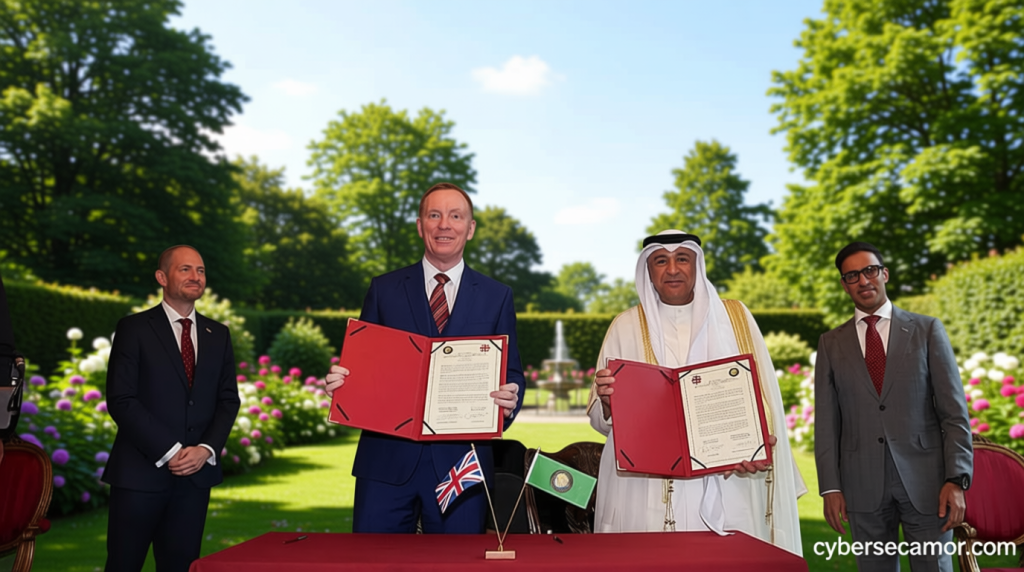
Historic UK Trade Agreement with Gulf States Promises Economic Growth
Historic UK trade deal with Gulf – The United Kingdom has finalized a groundbreaking trade pact with the Gulf Cooperation Council (GCC), a regional bloc comprising Bahrain, Kuwait, Oman, Qatar, Saudi Arabia, and the UAE. This agreement is projected to infuse over €4 billion into the British economy annually, marking a pivotal moment in international trade relations. As the UK’s first major trade deal with the GCC, it underscores a strategic shift toward expanding economic partnerships beyond traditional markets.
Tariff Reductions and Sectoral Benefits
Under the terms of the agreement, nearly 93% of the GCC’s import tariffs on UK goods will be phased out, leading to a significant reduction in annual customs duties. This is expected to eliminate approximately €670 million in yearly costs for British exporters. A substantial portion of these benefits will materialize immediately upon the deal’s implementation, with two-thirds of tariff cuts becoming effective right away. Key sectors such as food and agriculture, medical technology, and manufacturing are anticipated to see immediate gains, while service industries, including finance and legal services, will gain broader access to Gulf markets.
Exports like dairy products, pharmaceuticals, and machinery are poised to benefit from the new terms, which will lower barriers to entry in the Gulf’s dynamic economy. The agreement also highlights the UK’s ability to leverage its industrial strengths and align them with the GCC’s growing demand for high-quality goods and services. Industry analysts note that this could open doors for British firms to tap into emerging opportunities in logistics, renewable energy, and green technology within the Gulf region.
Political and Economic Significance
Prime Minister Keir Starmer emphasized the deal’s importance, describing it as a “vital step” for British workers and businesses. He stated that the agreement reinforces the UK’s dedication to fostering growth and strengthening its economic foundations. “The Gulf states are crucial partners, and this deal enhances our ties, creating stability and new pathways for trade and investment,” Starmer remarked.
Peter Kyle, the UK’s Business and Trade Secretary, echoed this sentiment, highlighting the deal’s role in signaling confidence amid global economic volatility. “This agreement reflects our commitment to secure, predictable trade conditions that empower companies to expand with greater assurance,” he noted. Meanwhile, Jasem Mohamed Albudaiwi, the GCC Secretary General, praised the pact as a milestone in negotiations, stressing its contribution to the bloc’s long-term economic objectives. “It aligns with our vision to build a resilient and diversified economy,” Albudaiwi said, adding that the partnership will support mutual growth as Gulf nations accelerate investments in sectors beyond oil and gas.
Industry Reactions and Strategic Partnerships
Business leaders have broadly welcomed the agreement, viewing the Gulf as a key market for future expansion. “The GCC is emerging as a critical region for long-term investment, and this deal amplifies our opportunities,” said Georges Elhedery, CEO of HSBC. The bank, which has a strong presence in the Gulf, believes the pact will facilitate deeper collaboration between UK and Gulf firms. “We are ready to assist businesses in navigating these new trade opportunities and scaling their operations,” Elhedery added.
Anthony Houghton, CEO of Holland & Barrett, emphasized the deal’s role in creating a stable trading environment. “This agreement offers clarity and consistency, which are essential for companies to grow and serve customers confidently across the region,” he said. Experts argue that the partnership will not only boost UK exports but also encourage Gulf businesses to invest in British industries, fostering a reciprocal flow of economic activity.
The deal also addresses challenges posed by global trade disruptions, such as those in the Strait of Hormuz, which have affected energy markets. By reducing trade barriers, the agreement aims to stabilize supply chains and support diversification efforts in the Gulf. This is particularly relevant as the region seeks to develop infrastructure and adopt innovative technologies to reduce reliance on hydrocarbons.
Current Trade Volumes and Future Potential
Currently, UK-GCC trade amounts to roughly €66 billion annually, with food and drink exports alone surpassing €720 million. Tariffs on products like confectionery and specialty cheeses, which range from 5% to 25%, are now set to decrease, potentially revitalizing the UK’s export sector. Marco Forgione, director general of the Chartered Institute of Export & International Trade, stated that the agreement would “unlock significant new markets” for British producers, especially in advanced manufacturing and renewable energy.
Analysts suggest that the pact will not only enhance existing trade relationships but also position the UK as a leading global partner for the GCC. As both sides work to align their economic strategies, the agreement is seen as a catalyst for collaboration in sectors such as healthcare, engineering, and professional services. The GCC’s push for diversification, coupled with the UK’s industrial capabilities, could drive substantial mutual growth in the years ahead.
Global Context and Broader Implications
With the UK as a G7 nation, this trade deal reinforces its role as a key player in global commerce. The agreement comes at a time when economic uncertainty has led many countries to seek stable trade partners. By securing preferential access to the Gulf’s markets, the UK aims to bolster its export competitiveness and attract foreign direct investment. This is especially important as the UK transitions from its post-Brexit trade landscape, searching for new alliances to sustain economic momentum.
Industry experts point to the agreement’s potential to stimulate innovation and create jobs. “This is a transformative opportunity for British businesses to expand into a region with high growth potential,” said a spokesperson for the British Chambers of Commerce. The deal is expected to facilitate long-term partnerships, with both the UK and the GCC investing in joint ventures that span multiple sectors. Additionally, the agreement may serve as a model for future trade negotiations, demonstrating how emerging economies and developed nations can collaborate to mutual benefit.
As the UK and the GCC solidify their ties, the agreement is anticipated to have a ripple effect on global trade. It may encourage other nations to pursue similar pacts, particularly those looking to reduce dependency on fossil fuels and embrace sustainable economic models. With the potential to increase bilateral trade by up to 20% over time, the deal is a bold step toward securing the UK’s place as a central hub in international commerce.
The success of this agreement hinges on its ability to translate into tangible economic gains. For the UK, it represents a strategic move to diversify its export markets and secure a foothold in the Gulf’s evolving economy. For the GCC, it offers a chance to integrate more deeply with global supply chains while supporting domestic industries through increased trade with the UK. Together, this partnership could pave the way for a new era of economic cooperation, with both sides reaping the rewards of a more interconnected global trade network.

