
Spain to launch biggest forest fire campaign after record losses last year, Sánchez says
Spain to launch biggest forest fire campaign after record losses last year, Sánchez says
Climate Crisis Intensifies as Wildfires Devastate Land
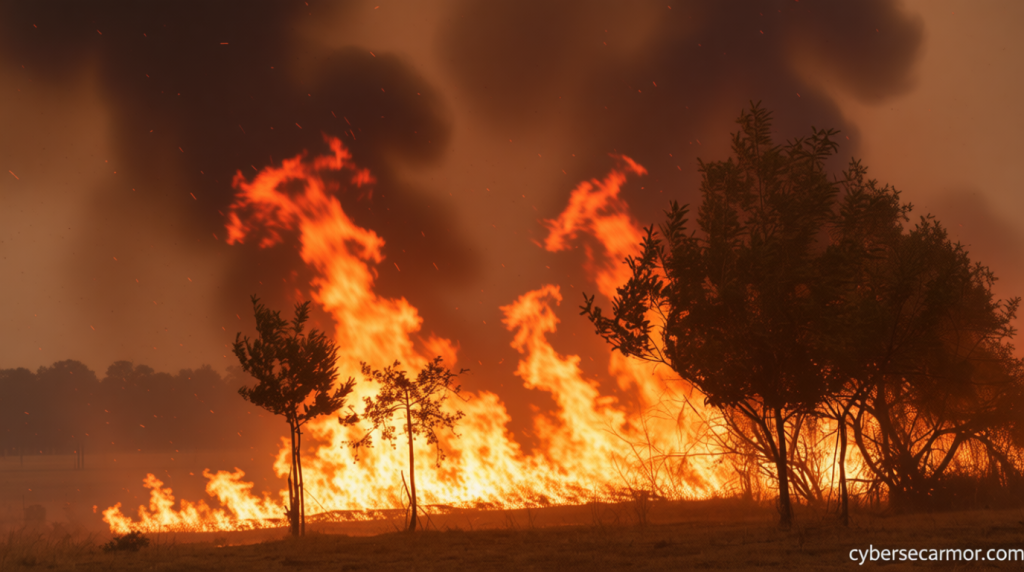
Spain to launch biggest forest fire – Spain’s Prime Minister Pedro Sánchez has unveiled the nation’s most ambitious initiative to combat wildfires, declaring it the largest campaign of its kind in the country’s history. The move comes in the wake of an unprecedented fire season in 2025, during which over 4,000 square kilometers of land were consumed by blazes, marking the highest figure ever recorded by the European Forest Fire Information System. These devastating losses have underscored the urgent need for a coordinated national response to the escalating threat of wildfires, which have become a defining challenge of Spain’s climate vulnerability.
As southern European nations brace for increasingly severe weather patterns, Spain has emerged as a key battleground in the fight against climate change. The country’s recent history of extreme heatwaves, prolonged droughts, and intense wildfires highlights the direct impact of rising global temperatures. Sánchez emphasized that these conditions are not isolated incidents but part of a broader trend, requiring immediate and comprehensive action to safeguard both natural resources and communities.
The leader’s announcement was made at the Torrejón airbase near Madrid, where he outlined the government’s strategy to address the crisis. “We will deploy all available resources to mitigate this emergency situation and prevent its recurrence on such a massive scale,” Sánchez stated, underscoring the commitment to a proactive approach. He framed the campaign as a necessary evolution in Spain’s preparedness, reflecting the growing intensity of wildfires that now strike with greater force and are more difficult to control.
“This battle…is won together with unity, with institutional loyalty, and not with confrontation,” Sánchez said, highlighting the importance of collaboration across all levels of government. “Fire does not distinguish between administrations, it does not ask who governs,” he added, reiterating a call for “a national pact against the climate emergency.” His remarks came amid tensions between the central government and regional authorities, which have often clashed over responsibilities in managing emergency situations.
Advanced Technologies and Strategic Deployments
As part of the campaign, Spain will integrate a range of cutting-edge technologies and equipment to enhance its firefighting capabilities. This includes the procurement of new helicopters and fixed-wing aircraft, amphibious planes, drones, specialized vehicles, and advanced thermal imaging systems. The interior ministry has also announced that the official start of the forest fire season will be moved forward by two weeks, beginning on 1 June for the second consecutive year, to better anticipate and respond to early threats.
Sánchez described the preparations as “the state’s largest deployment for an anti-fires campaign,” noting that the government is prioritizing both prevention and rapid intervention. The focus on technological innovation reflects the need to adapt to blazes that are becoming more aggressive and harder to contain. “We are aware that this threat is growing,” he said, “and we are responding with the tools required to tackle it effectively.”
Political Coordination and Regional Challenges
The Prime Minister highlighted the importance of harmonizing efforts between national and regional governments to streamline disaster response. Spain’s decentralized structure has often led to fragmented efforts, with each region retaining primary responsibility for managing emergencies. Sánchez’s announcement signals a shift toward greater collaboration, aiming to reduce the inefficiencies that have plagued previous wildfire responses.
However, the campaign’s success will depend on overcoming longstanding political tensions. Last summer’s blazes, which ravaged the regions of Galicia, Castile and León, and Extremadura—governed by right-wing parties—sparked criticism from the leftist central government. Sánchez used this opportunity to stress the need for collective action, stating that “the threat does not recognize political boundaries or administrative divisions.”
“We will put in place all the resources available to the government to mitigate this emergency situation as much as possible,” Sánchez explained, emphasizing the scale of the measures. His speech at Torrejón outlined a multifaceted strategy that combines improved forecasting, expanded firefighting infrastructure, and enhanced coordination between agencies. “The challenge is not just about fighting fires,” he said, “but about building a resilient system capable of withstanding the increasing frequency of such events.”
Environmental and Economic Implications
The record-breaking wildfire season has not only strained Spain’s firefighting capacity but also dealt significant blows to its economy and environment. With over 4,000 square kilometers of land lost, the destruction has disrupted ecosystems, threatened agricultural productivity, and displaced communities. The European Forest Fire Information System’s data reveals a worrying trend: the scale of wildfires has surged in recent years, driven by prolonged droughts and rising temperatures.
Experts warn that without sustained investment in prevention and response, Spain’s vulnerability to wildfires will continue to grow. Sánchez’s campaign seeks to address this by integrating early warning systems, community education programs, and infrastructure upgrades to reduce the risk of ignition. The prime minister also highlighted the need for long-term policy changes, including increased funding for environmental protection and the modernization of fire management practices.
The campaign’s launch marks a pivotal moment in Spain’s climate strategy, as it aims to set a new standard for emergency preparedness. By bringing forward the fire season and investing in advanced technologies, the government hopes to create a more agile and responsive system. Yet, the road to recovery will require more than just resources—it will demand a unified approach to tackle the root causes of the crisis.

