‘Raging killer currents’: 2 dead, 1 missing in Grand Canyon floods

Daftar Isi
Grand Canyon flash floods kill two, leave one missing as inner-canyon infrastructure crumbles
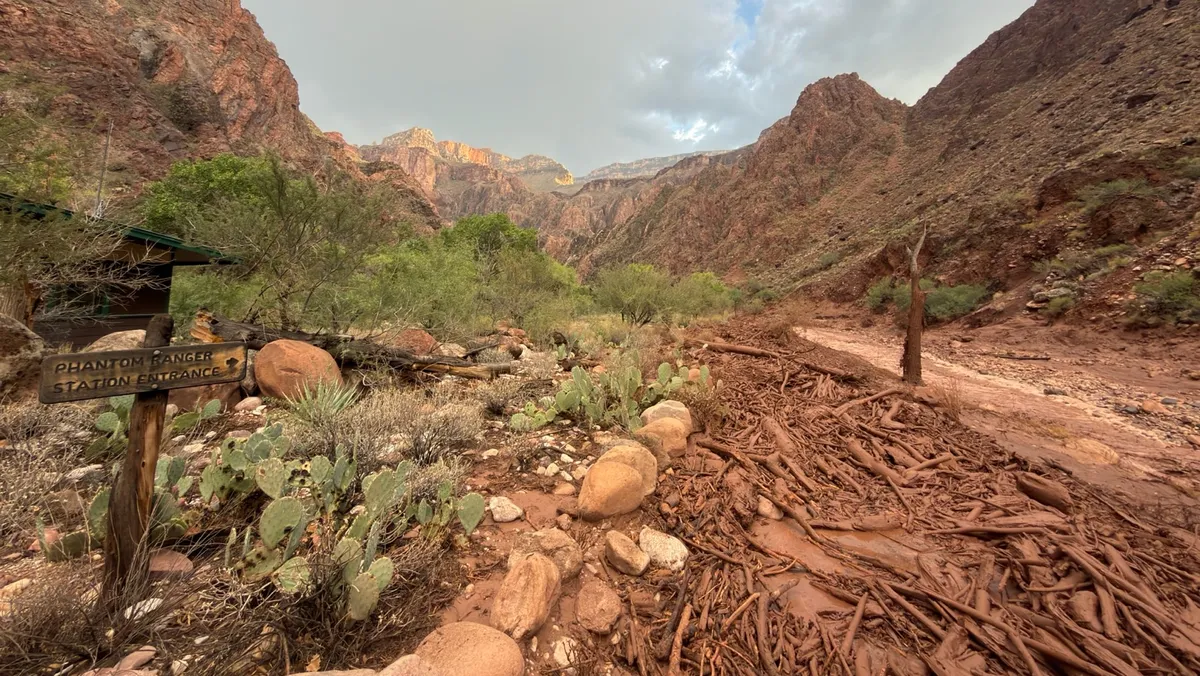
Cybersecarmor.com – A violent flash-flood event ripped through the inner canyon of Grand Canyon National Park on Aug. 29, leaving at least two people dead and one confirmed missing as of Aug. 31. The National Park Service announced that more than 82 visitors had been evacuated from the affected zones following the catastrophic weather episode, which turned normally manageable creek channels into churning, debris-laden torrents within minutes.
Two confirmed fatalities, one person unaccounted for
The first body recovered was that of a 46-year-old man found near Crystal Rapids along the Colorado River. The park issued an update at 6:30 p.m. on Aug. 30 confirming the recovery. Specific details about the second fatality were not immediately released to the public.
The status of the one confirmed missing person was determined through park permit records, which track individuals rafting the river or camping overnight in the inner canyon. The park’s chief ranger acknowledged uncertainty about whether additional day hikers might also be unaccounted for, given the scale of the event.
Authorities asked anyone aware of hikers or backpackers who had been in the Bright Angel Creek corridor on Aug. 29, or anyone holding a campground reservation in the affected zone, to call (888) 653-0009.
“This includes individuals who may have been traveling along the North Kaibab Trail from the North Kaibab Trailhead to Phantom Ranch, staying at Bright Angel Campground, or traveling or staying in the area known as ‘the Box’ north of Phantom Ranch.”
Infrastructure devastated; water restrictions imposed on the South Rim
Nearly every footbridge spanning Bright Angel Canyon was destroyed, severing the primary hiker access routes into the inner canyon. The Colorado River was shut to all river traffic because of debris clogging the waterway, halting commercial and recreational rafting operations.
The flooding inflicted what officials described as “extensive damage to inner canyon infrastructure,” including a critical waterline that supplies the park’s facilities. Beginning at noon local time on Aug. 31, the park activated Stage 4 water restrictions on the South Rim — closing certain overnight lodging, shutting off exterior water spigots, and banning open fires in designated zones. For visitors accustomed to the park’s vast backcountry, such restrictions signal that the damage is severe enough to threaten basic utilities.
More storms loom over northern and central Arizona
The National Weather Service outpost in Flagstaff maintained a flood watch across all of northern and central Arizona. Forecasters warned that additional thunderstorms and heavy rainfall were possible on Aug. 31, raising the risk of further flooding, debris flows, and rockfall in already-saturated terrain.
“Flash flooding will be possible in creeks, normally dry washes, swimming holes, and over recently burned areas. Raging killer currents will be possible in side canyons and narrow slot canyons. Low-water crossings may be flooded.”
The language underscores a hazard that is especially acute in the Grand Canyon’s narrow slot canyons, where even modest upstream rainfall can generate currents powerful enough to sweep a person downstream within seconds.
A chiropractor from the Dallas area among the dead
One of the two victims has been identified. John Giusti, a chiropractor who ran an independent practice outside Dallas and Fort Worth, was found dead on Monday, friends and business associates confirmed on social media. Giusti was widely described as a devoted father to three daughters.
“John was a real-life superhero to everyone blessed enough to know him. As a dedicated chiropractor, he truly lived to treat and heal, pouring his soul into helping others move through the world with strength and comfort.”
“Beyond his practice, he was a man of electric energy and boundless passion—an avid runner, an enthusiast of fast cars, and a massive fan of comic books and legendary heroes.”
“Out of all the titles he carried, his absolute favorite was being a devoted father to his three beautiful girls.”
Giusti had been hiking the canyon with friends Brent Rosenkrantz and Tim Smith. Both men remained missing as of the latest updates, extending the search effort beyond the single confirmed missing permit holder.
A region with a painful history of flash-flood fatalities
Flash flooding is a recurring hazard across the American Southwest, though it turns lethal only occasionally. Yet the region carries several grim reminders of how quickly weather can overwhelm even experienced outdoorsmen, and the Grand Canyon itself has been the site of multiple deadly events over the decades.
On Aug. 12, 1997, a flash flood in lower Antelope Canyon killed 11 tourists, most of them foreign visitors. In the aftermath, the Navajo Nation closed the canyon to visitors for a full year and introduced a series of safety protocols designed to reduce the risk of recurrence.
Just six days before that disaster, six undocumented immigrants drowned near Douglas, Arizona, while attempting to cross a flooded drainage ditch from the Mexican border — a reminder that flash-flood danger extends well beyond popular recreation sites.
Roughly one month later, on Sept. 11, 1997, two hikers perished in flash flooding within Grand Canyon itself. A third person survived after being swept miles downstream by a storm that had deposited only trace rainfall at Phantom Ranch, illustrating how quickly a small upstream event can become lethal in a narrow canyon corridor.
Six months after that event, two Boy Scouts were also caught in a flash-flood episode in the region, underscoring that no group — regardless of experience or preparation — is immune to the sudden violence of monsoon-season water in the Southwest’s arid canyons.
Related Reading
Frequently Asked Questions
What is Raging killer currents?
Raging killer currents is the main topic of this guide. The article explains the context, practical details, and next steps readers should understand.
Why does Raging killer currents matter?
Raging killer currents matters because readers are looking for a useful answer, not just a short summary. Good content should match search intent and help them decide what to do next.