Tupac Shakur murder trial verdict: Keffe D found guilty nearly 30 years later

Tupac Shakur Murder Trial Verdict: Keffe D Guilty
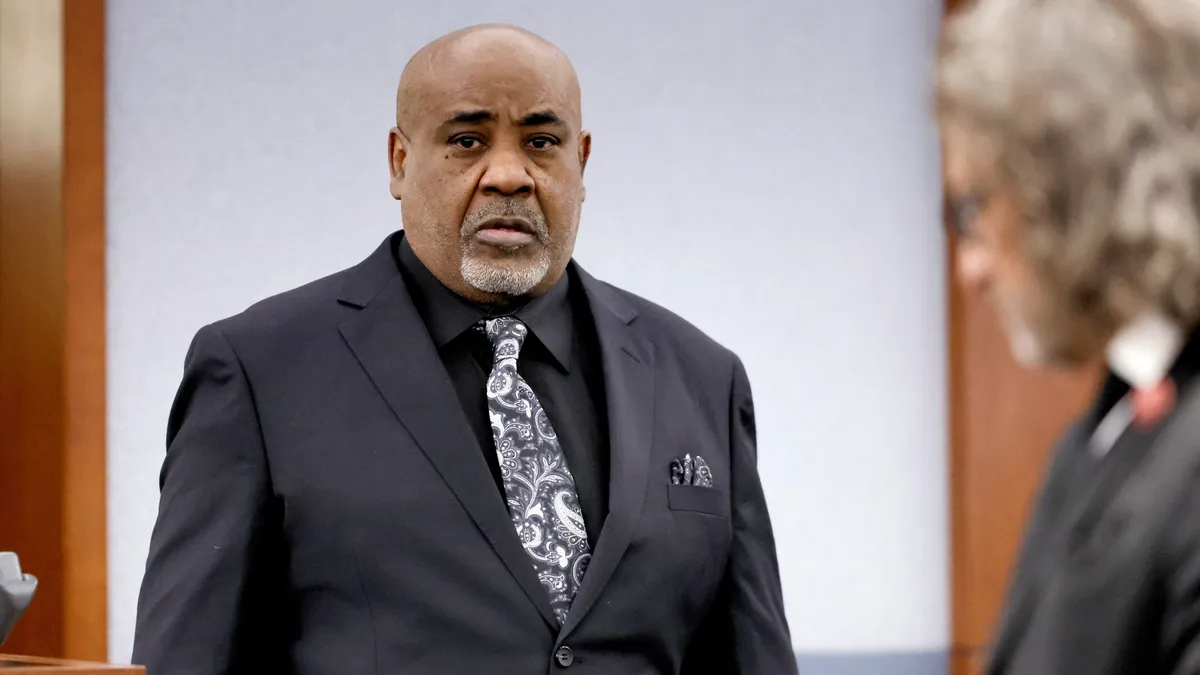
Cybersecarmor.com – A Clark County, Nevada jury has returned a guilty verdict in the Tupac Shakur murder trial verdict case, convicting Duane Keith “Keffe D” Davis of first-degree murder with use of a deadly weapon on Monday, August 31. Deliberation wrapped in under three hours. Davis, the only person ever formally charged over the rapper’s 1996 killing, now looks at life behind bars.
The ruling ends a nearly thirty-year standoff that kept fans, family, and fellow artists in suspense since Shakur was shot outside a Las Vegas hotel after a boxing match in September 1996. Prosecutors anchored their case to statements Davis made across two decades of police interviews and a memoir he co-authored, arguing those admissions proved he supplied the gun and ordered his South Side Compton Crips associates to open fire on the night of September 7, 1996.
How the Prosecution Built Its Case
Over a two-week trial, Chief Deputy District Attorney Binu Palal characterized the shooting as “gang retaliation and revenge” born of a personal grudge rather than the broader industry feud between Death Row and Bad Boy Records. The alleged trigger came earlier that evening: Shakur and his label boss, Marion “Suge” Knight, supposedly beat up Davis’s nephew, a fellow Crips member. Knight was also shot that night but survived; he is currently serving a 28-year California sentence for a separate 2015 fatal hit-and-run. Shakur, by contrast, died six days after the Las Vegas shooting.
The original charge carried a potential gang enhancement that could have lengthened the sentence. After the verdict, prosecutors said they would not seek that enhancement, citing “witness logistics” as the reason.
Testimony, the Memoir, and the Defense Response
One of the trial’s most charged moments came when former Las Vegas Metropolitan Police Officer Greg Dale described riding in the ambulance beside the dying rapper. Dale testified that Shakur refused to name suspects.
“No, we’ll take care of it,” Dale recalled Shakur’s final words.
Davis was not indicted until 2023, four years after co-authoring Compton Street Legend: Notorious Keffe D’s Street-Level Accounts of Tupac and Biggie Murders, Death Row Origins, Suge Knight, Puffy Combs, and Crooked Cops, in which he admitted being present in the car and confirming he had provided the weapon. At a June trial-readiness hearing, prosecutors noted bluntly:
“Had Mr. Davis never opened his mouth, ever written the book, he would probably not have been prosecuted for the crime.”
The state also leaned on police interviews from 2008 and 2009, in which Davis had acknowledged his involvement. Defense attorney Michael Sanft countered that Davis had misrepresented the specifics of his role and called the evidence “incomplete.”
Witnesses including former Bloods member James McDonald, former Death Row security chief Reggie Wright Jr., and former Crips member Denvonta Lee testified about the overlapping world of gang affiliation and label security. McDonald and Wright explained they were in Las Vegas that night because of ongoing tensions with Bad Boy, while Lee described years of spending time with Combs and Bad Boy associates during a period when Davis was “known for hustling.”
FAQ
When was the Tupac Shakur murder trial verdict delivered? On Monday, August 31, 2026, by a Clark County, Nevada jury.
What charge did the jury convict Keffe D Davis of? A single count of first-degree murder with use of a deadly weapon. Prosecutors chose not to pursue an additional gang enhancement after the verdict.
How long did the jury deliberate? Fewer than three hours.
What evidence formed the backbone of the prosecution’s case? Davis’s own admissions made in police interviews (2008, 2009) and in a 2019 memoir he co-authored, supplemented by witness testimony about gang and label-security arrangements in Las Vegas.
What sentence does Davis now face? Life imprisonment, based on the first-degree murder conviction.