
Man charged with attempting to kill US President Donald Trump pleads not guilty
Suspect in Trump Assassination Attempt Not Guilty Plea
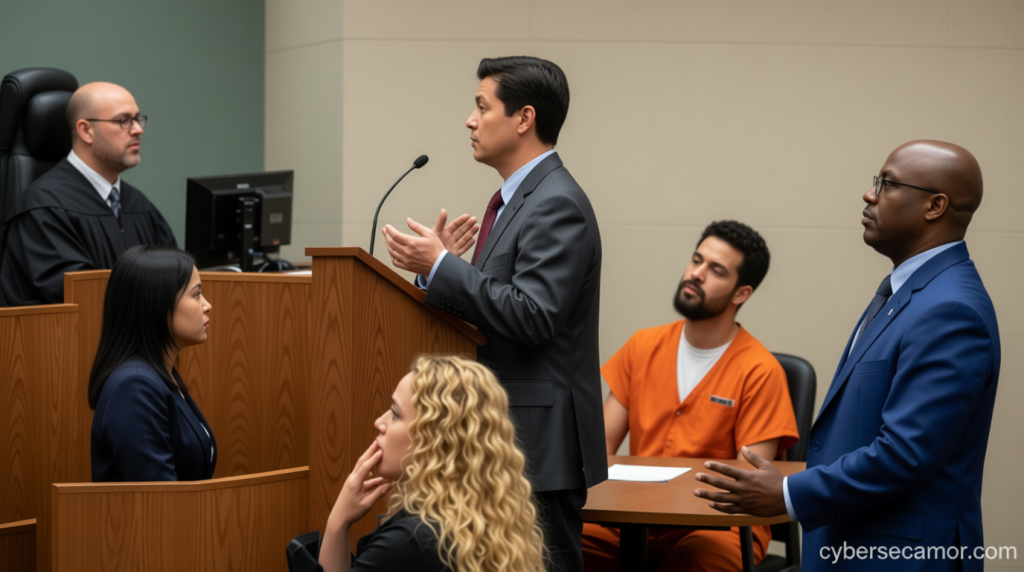
Man charged with attempting to kill – On Monday, Cole Tomas Allen, the individual accused of storming the White House Correspondents’ Association dinner armed with guns and knives, entered a not guilty plea to charges of attempting to kill President Donald Trump and shooting a Secret Service officer who tried to thwart the attack. The incident, which occurred on April 25, disrupted one of the most prominent annual gatherings in Washington, D.C., and left a lasting impact on the event’s proceedings. Allen, 31, of Torrance, California, was apprehended during the chaos and appeared in federal court for his arraignment, wearing a prison uniform and restrained with handcuffs and shackles.
Legal Proceedings and Conflict of Interest Claims
During the brief court appearance, Allen remained silent, with his defense attorney representing him in the plea. The attorneys argued that the prosecution should be recused due to potential conflicts of interest, citing the involvement of two top Justice Department officials as possible witnesses or victims. Acting Attorney General Todd Blanche and US Attorney Jeanine Pirro were present at the event when Allen breached the security checkpoint and fired a shotgun at a Secret Service officer, authorities stated. The defense plans to extend the recusal request beyond Pirro, aiming to disqualify her entire office from the case.
US District Judge Trevor McFadden, who presided over the arraignment, did not immediately decide on the recusal motion but requested further details from Allen’s legal team. The judge sought clarification on the scope of the defense’s arguments, emphasizing the need for a thorough examination of the conflict of interest. This request comes as the legal battle over Allen’s case gains momentum, with both sides preparing for an extended trial.
The Attack and Officer’s Injury
The incident unfolded at the Washington Hilton, where the White House Correspondents’ Association dinner was held. Allen’s actions forced the event to conclude prematurely, creating a tense atmosphere among attendees. According to official accounts, a Secret Service officer was struck once by gunfire while wearing a bulletproof vest. Despite the injury, the officer survived, and the attack was contained before further harm could occur.
Allen, though not shot, sustained injuries during the confrontation. He was placed on suicide watch after his arrest, but the confinement was later adjusted as his condition stabilized. During his recovery, he reportedly told FBI agents that he did not anticipate surviving the attack, a statement that could explain his initial classification as a suicide risk. This admission, as noted by a Justice Department prosecutor, adds a layer of complexity to the case.
Additional Charges and Potential Sentences
Alongside the attempted assassination charge, Allen faces multiple other counts, including assaulting a federal officer with a deadly weapon and two firearms-related charges. These additional allegations could influence the sentencing if he is found guilty. If convicted of the assassination attempt alone, Allen could receive a life sentence, underscoring the severity of the charges.
The case also highlights the meticulous nature of the security protocols at high-profile events. The breach at the Washington Hilton exposed vulnerabilities in the system, prompting renewed scrutiny of how such incidents are handled. While the Secret Service officer’s injury was non-fatal, the attack’s timing and location amplified its significance, drawing attention to the president’s safety during public appearances.
Defense Arguments and Prosecution’s Response
Allen’s legal team has been vocal about their concerns regarding the prosecution’s impartiality. They argue that the involvement of Blanche and Pirro could compromise the trial, as the officials might have personal connections to the case or serve as potential witnesses. The defense plans to present these arguments in detail, aiming to challenge the prosecution’s credibility and ensure a fair trial.
While the judge did not make an immediate ruling on the recusal request, the defense’s case hinges on demonstrating a conflict of interest that could sway the jury. This strategy reflects a broader effort to influence the trial’s outcome, with the attorneys emphasizing the importance of procedural fairness. The prosecutor, meanwhile, is preparing to counter these claims, citing the absence of direct evidence linking the officials to the attack.
Public Reaction and Broader Implications
The assassination attempt has sparked a wave of public debate, with many questioning the adequacy of security measures for the president. The White House Correspondents’ Association dinner, a key platform for media and political discourse, was overshadowed by the incident, raising concerns about the safety of high-profile events. Allen’s case is now seen as a pivotal moment in the ongoing discussion about presidential protection and the legal frameworks that govern such attacks.
As the trial progresses, the focus will shift to the evidence presented by both the prosecution and defense. The potential disqualification of Pirro’s office could reshape the dynamics of the case, with new legal teams stepping in to handle the prosecution. Meanwhile, the public continues to follow the developments closely, with many awaiting the outcome of a trial that could set important precedents for future cases involving presidential threats.
The White House Correspondents’ Association dinner, held annually at the Washington Hilton, typically serves as a showcase for political and media figures. Its abrupt end due to the attack has left a lasting impression on attendees, who now reflect on the event’s significance in a different light. Allen’s actions not only tested the security of the venue but also highlighted the personal stakes involved in such an assault.
As the case moves forward, the defense is expected to present a compelling narrative to challenge the charges. The attorneys’ focus on recusal requests suggests a strategic attempt to undermine the prosecution’s case, emphasizing the need for an unbiased jury. The broader implications of the case, however, extend beyond the courtroom, influencing public perception and policy discussions around presidential security in the United States.

