
Sudan drone strikes killed at least 880 civilians between January and April, UN says
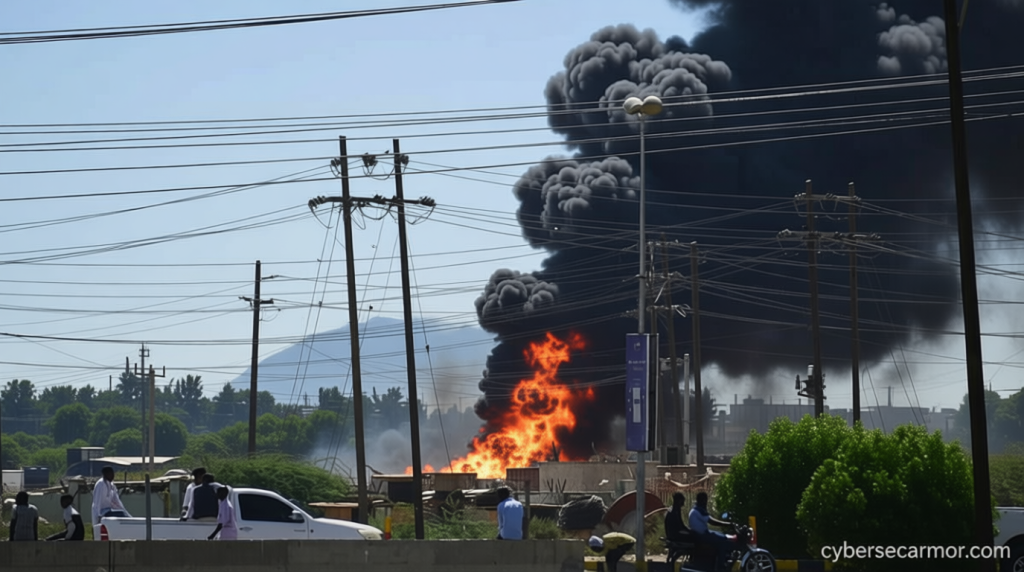
Sudan Drone Strikes Killed 880 Civilians in 3 Months, UN Warns
Sudan drone strikes killed at least 880 – The United Nations has confirmed that at least 880 civilians were killed in Sudan by drone strikes between January and April this year, marking a grim escalation in the conflict. This figure, disclosed in a recent report, highlights the increasing reliance on aerial attacks as a primary weapon in the war, with drones responsible for over 80% of all civilian deaths during the period. The UN rights office emphasized that the lethality of these strikes has intensified, raising concerns about the precision and frequency of targeting in areas where civilian populations are most vulnerable.
Escalating Aerial Warfare
Drone attacks by the Sudanese army and the Rapid Support Forces (RSF) have surged in recent months, significantly altering the conflict’s scale and intensity. The war, which erupted in April 2023, has seen drones become a central tool for both sides, enabling relentless operations even during traditionally quieter periods like the rainy season. According to the UN, the use of drones has not only increased the number of casualties but also shifted the battlefield dynamics, making it harder for humanitarian efforts to keep pace with the destruction.
“Drone strikes accounted for at least 880 civilian deaths—more than 80 percent of all conflict-related civilian deaths—between January and April this year,” said UN rights chief Volker Türk. He warned that the escalating use of such technology could lead to further deterioration of the crisis, with the potential to spread the violence to central and eastern Sudan, intensifying suffering for communities already on the brink of collapse.
Regional Targets and Civilian Impact
While Kordofan and Darfur have borne the brunt of drone attacks, the strikes are now spreading to other regions, including Blue Nile, White Nile, and Khartoum. The UN reported that the May 8 strike on Al Quoz in South Kordofan and near El Obeid in North Kordofan killed 26 civilians and wounded many more. These incidents demonstrate the broader trend of drones being used to target not only military assets but also essential civilian infrastructure, such as markets, schools, and hospitals, leaving communities in disarray.
Markets, in particular, have become frequent targets, with at least 28 drone strikes in the first four months of the year causing civilian casualties. The destruction of these sites has disrupted local economies, exacerbating food shortages and reducing access to basic necessities. The UN noted that the cumulative effect of such strikes has “diminished access to sufficient food, clean water, and health care,” deepening the humanitarian crisis for millions of Sudanese people.
Humanitarian Challenges and Urgent Calls
The UN has issued a dire warning that the conflict is entering a “new, even deadlier phase” unless immediate action is taken to curb the drone strike surge. The organization stressed that the combination of aerial attacks and logistical disruptions has created an environment where civilian populations face unprecedented threats. “The continuous bombardment of civilian areas is creating a new wave of displacement,” the report stated, as the war’s reach expands into regions previously considered safer.
“Unless action is taken without delay, the conflict—which has killed tens of thousands, displaced over 11 million, and plunged several areas into famine—will enter yet another deadly phase,” Türk said. He highlighted that the humanitarian toll of drone strikes has grown exponentially, with the UN rights office reporting that these attacks have become the leading cause of civilian fatalities in Sudan. The organization is now urging both warring parties to implement measures that protect non-combatants and reduce the devastation wrought by their aerial campaigns.
The Sudanese government and the RSF have faced mounting pressure to address the growing use of drones, which have become synonymous with civilian deaths in the conflict. The UN report also pointed to the destruction of health facilities, which have been hit at least 12 times, further complicating access to medical care in war-torn areas. With the humanitarian situation worsening, the UN is calling for a unified response to mitigate the impact of drone strikes on the civilian population and stabilize the crisis.

