What to know about Robert Gilman’s life in a Russian prison

Daftar Isi
Former Marine Robert Gilman Returns to America After Years of Harsh Detention in Russia
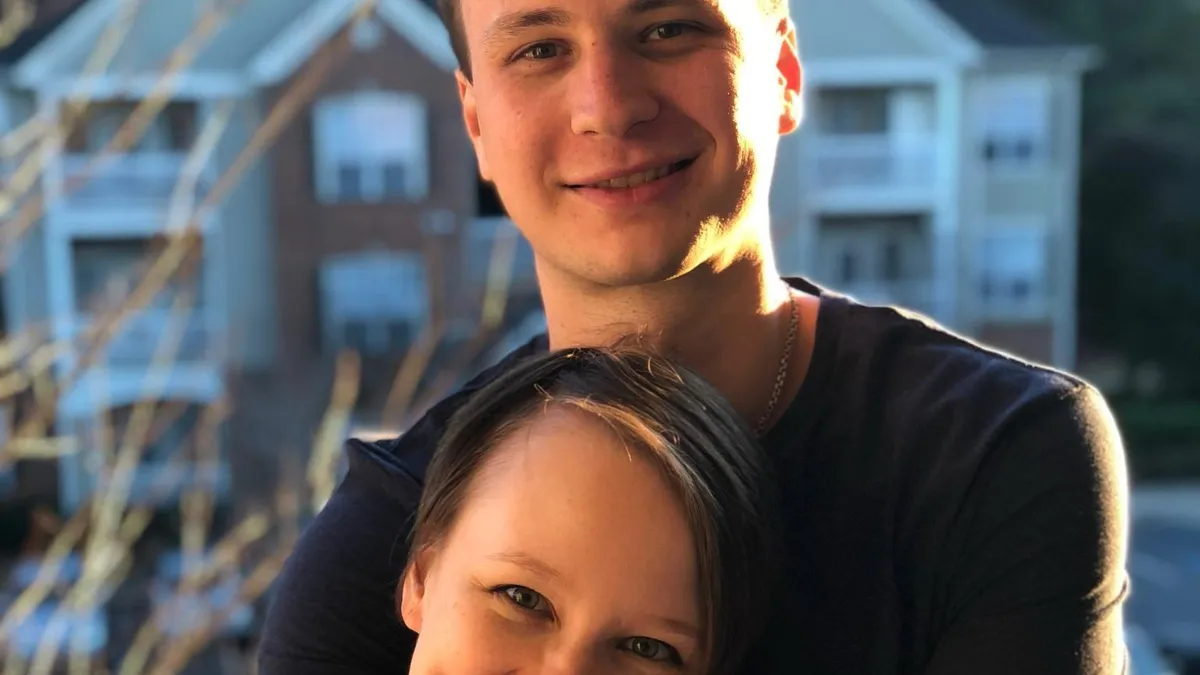
Cybersecarmor.com – Robert Gilman, a 32-year-old former U.S. Marine, has finally come home after enduring more than four years of increasingly severe treatment inside Russian correctional facilities. His release on Tuesday, August 11, 2026, came as his health deteriorated rapidly, prompting American officials to act swiftly to bring him back to the United States for medical care.
Security camera recordings captured a particularly violent episode during his imprisonment. The footage reveals Gilman delivering a forceful blow to a jailer’s face after the guard poked him in the groin area. Several other guards immediately descended upon him, beating him in retaliation. Russian officials subsequently added extra years to his sentence following this confrontation.
A Humanitarian Release Amidst Deteriorating Health
President Donald Trump publicly acknowledged Russian President Vladimir Putin’s role in securing Gilman’s freedom, crediting the decision to be made on humanitarian grounds. The former Marine had been held since early 2022, just before Russia launched its comprehensive military campaign against Ukraine.
U.S. Senator Ed Markey, a Massachusetts Democrat, disclosed that Gilman received a diagnosis of dissociative stupor approximately 50 days before his departure from Russia. This trauma-induced psychological condition left him essentially catatonic. He could not eat properly, use the bathroom independently, or walk without assistance. Eric Lebson, who works with Global Reach, noted that Gilman required a wheelchair following his release but remained capable of speaking.
“The only reason he was in bad shape is because of what the Russians did to him,” Lebson told USA TODAY. “They were trying to break him psychologically, and doing it in a way that was worse than to any other American I’ve seen in Russian custody.”
Systematic Abuse Behind Bars
Those closest to Gilman dispute the notion that his mental state resulted from recent developments in prison. Instead, they point to a prolonged pattern of physical and psychological mistreatment designed to systematically break his spirit. Lebson described his condition as “essentially catatonic” in recent weeks, directly linking it to incidents like the one captured on camera.
Lebson, serving as chief strategy officer at Global Reach—a nonprofit organization focused on recovering wrongfully detained Americans—outlined numerous instances of mistreatment. Gilman endured extended periods in solitary confinement, was administered powerful sedatives that dulled his mental faculties, received false information about his family members, and was subjected to compulsory physical exercise lasting up to 16 hours daily.
Additional provocations included guards claiming that Russian operatives had traveled to Massachusetts to assault his father, leaving him confined to a wheelchair. They also informed him that freedom awaited if he agreed to fight against Ukraine. At one juncture, authorities extended his prison term by an entire decade.
“What happened in the past four years was really bad,” Lebson said, emphasizing that Gilman faces a lengthy recovery process. “We just don’t understand why it has to get to the point of death for there to be intervention.”
Hostage Diplomacy and Political Leverage
The situation exemplifies what experts call hostage diplomacy—a practice where nations detain foreign citizens to extract political concessions. Lebson explained that in cases involving Americans held in Russia, the specific charges often matter less than the individual’s nationality. “They’re being grabbed because they have a blue passport,” he observed. “The best lawyer in the world isn’t going to help your case.”
High-profile examples include WNBA player Brittney Griner, who was freed in exchange for Viktor Bout, the Russian arms trader known as the “Merchant of Death.” Unlike such negotiated exchanges, Gilman’s departure occurred due to urgent medical necessity rather than diplomatic bargaining.
U.S. Secretary of State Marco Rubio issued a statement thanking Russia for collaborating with Special Envoy Steve Witkoff to facilitate Gilman’s return. “We thank Russia for working with Special Envoy Steve Witkoff to release Mr. Gilman and allowing him to receive the necessary medical treatment here in the United States,” Rubio declared.
From Arrest to Recovery
Initially, Russian state media reported that Gilman faced charges of assaulting a police officer while intoxicated. His family countered that the incident occurred when he accidentally kicked an officer during a bout of severe illness while authorities attempted to restrain him. Regardless of the circumstances, Lebson maintained that such details are secondary when Americans are detained in Russia.
After a brief stop in Washington, D.C., on Tuesday evening, Gilman was transported to San Antonio, Texas, where he would receive comprehensive medical attention. Global Reach has been advocating for his release for over two years, working tirelessly alongside his family to secure his freedom.
The former Marine-turned-school teacher now begins a long journey toward physical and psychological healing. His case highlights both the vulnerabilities Americans face abroad and the importance of sustained diplomatic efforts to protect citizens detained under questionable circumstances. As Gilman recovers, his story serves as a reminder of the human cost of geopolitical tensions and the resilience required to survive them.
Related Reading
Frequently Asked Questions
What is What to know about Robert Gilman?
What to know about Robert Gilman is the main topic of this guide. The article explains the context, practical details, and next steps readers should understand.
Why does What to know about Robert Gilman matter?
What to know about Robert Gilman matters because readers are looking for a useful answer, not just a short summary. Good content should match search intent and help them decide what to do next.