
‘A sense of dread’: Europe’s first climate migrants live in constant fear of extreme weather
‘A sense of dread’: Europe’s first climate migrants live in constant fear of extreme weather
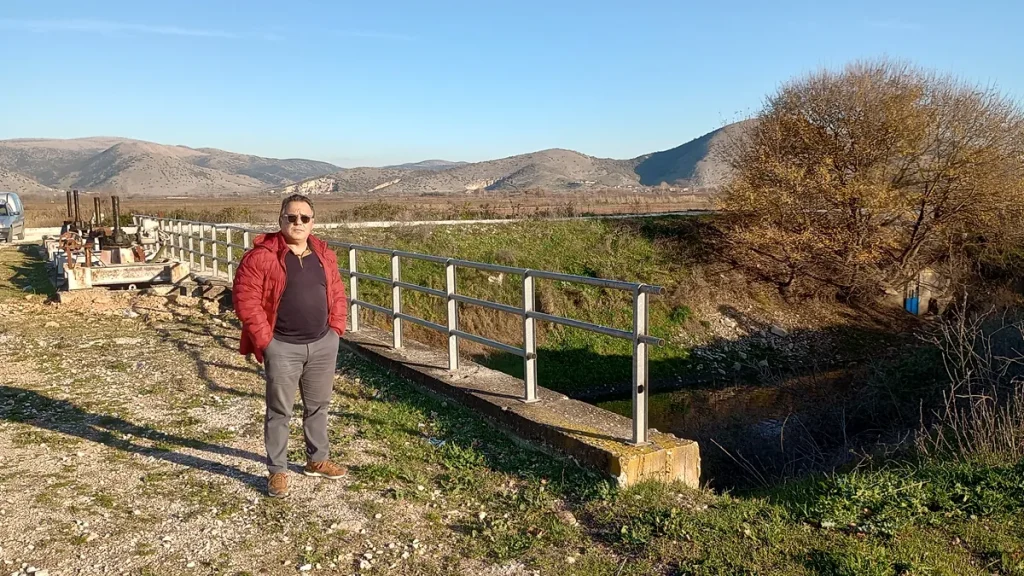
A sense of dread – For Vaios Giatropoulos, the most haunting image from the night his life unraveled is his son’s tearful gaze. “What now, dad? We’ve lost everything,” the child had whispered, his voice trembling as floodwaters crept closer to their feet. The family had spent nine hours on the roof of their semi-truck, clinging to hope as the storm raged outside. This was the devastation wrought by Storm Daniel in September 2023, which turned the Greek village of Palamas into a battlefield of mud, debris, and shattered lives. Giatropoulos, now living in a safer location, still feels the weight of that moment. “I don’t want to feel that dread with every drop of rain,” he says, recalling months of anxiety before securing a new home. Though his family was fortunate to relocate swiftly, many residents of Palamas had no such option, forced to seek refuge in cities like Athens or even abroad.
Climate displacement reshapes Europe’s future
The crisis in Palamas is emblematic of a growing phenomenon: Europe’s first wave of climate migrants. As extreme weather events intensify, displacement within national borders is no longer a theoretical concern but a lived reality. The Internal Displacement Monitoring Centre (IDMC), based in Geneva, estimates that nearly 413,000 people across the EU were displaced between 2008 and 2023. This figure surged dramatically in 2023, with over 200,000 internal displacements recorded, largely due to wildfires and storms. The trend signals a shift in how Europe defines migration, as climate factors increasingly drive people from their homes.
Regional disparities in Germany’s climate crisis
In Germany, the threat of extreme weather varies by region. Northeastern areas, grappling with prolonged droughts, have seen a rise in wildfires that burn with unprecedented ferocity. Last year marked the country’s worst wildfire season, with vast stretches of land consumed by flames. Farmers in these regions, like those in the Harz Mountains, now face uncertain futures as rainfall dwindles and soil becomes more prone to cracking. Meanwhile, southern and western parts of the country are plagued by flooding, with the Ahr Valley disaster in 2021 standing as a stark example. Over 134 lives were lost, and an estimated 40,000 people were left homeless or displaced.
“There were a lot of people who could live in their houses again pretty soon, but a large group couldn’t live in their houses anymore because they were completely gone or too damaged to enter,” says Martin von Langenthal, who oversaw disaster response efforts for the Red Cross. He notes that temporary shelters, such as container homes, were initially designed to provide short-term relief. However, for many affected by the Ahr Valley floods, these structures remained their primary dwelling for over two years.
The aftermath of such disasters extends beyond immediate destruction. Survivors often face prolonged challenges, including damaged infrastructure and a shortage of critical resources. In the Ahr Valley, bridges were washed away, wastewater systems collapsed, and medical supplies ran low. “The sense of togetherness was strong at first,” recalls Vassilis Kalogiannis, the village president of Vlochos in central Greece. “Younger residents helped older ones, and families shared whatever they could.” Yet, this unity faded as the long-term consequences of the storm became clear. The village, already prone to flooding, now bears the scars of its most severe disaster yet.
Historical and modern vulnerabilities in Greece
Greece, with its Mediterranean geography, has long been susceptible to climate-related disasters. Historical records show that the village of Vlochos has endured floods in 1953 and 1994, which, while damaging, were manageable. But Storm Daniel in 2023 escalated the situation, leaving water levels in some homes as high as two metres. “The scale of destruction was unlike anything we’d seen before,” Kalogiannis says. Entire families were uprooted, their belongings swept away by relentless rain. The trauma of losing one’s home is compounded by the fear of it happening again, a sentiment shared by many in the region.
Across the EU, the interplay of climate change and displacement is reshaping communities. In Germany, the IDMC reports that 84,000 internal displacements occurred from 2008 to 2024, with 78,000 attributed to flooding. This underscores the dual nature of climate risks: some areas face droughts, while others are battered by excessive rain. The same trend is evident in Greece, where nearly 300,000 citizens have been displaced since 2008, driven by wildfires, storms, and floods. For Palamas residents, the trauma of relocation is not just about finding a new place to live but about rebuilding trust in their environment.
Psychological and social toll of climate displacement
The emotional impact of climate migration is profound. Giatropoulos, who once thought about seeking psychological help after the storm, describes the experience as a “constant fear of the unknown.” His family’s story is not unique; countless others across Europe now live with the anxiety of another flood or fire. In regions like the Ahr Valley, the psychological scars are as deep as the physical ones. Survivors not only lost homes but also connections to their land, which had been a source of livelihood and identity for generations.
For some, the transition from home to temporary shelter is temporary. Yet, in many cases, it becomes permanent. “Container homes and refugee-style accommodations were meant to be temporary solutions,” von Langenthal explains. “But for those who couldn’t return, they became a new way of life.” This phenomenon highlights the evolving definition of migration, as climate-induced displacement blurs the lines between internal and international movement. The EU, once a symbol of stability, now faces the challenge of accommodating those displaced by its changing climate.
As the climate crisis deepens, Europe’s first climate migrants serve as a warning. Their stories reflect a broader pattern: as weather extremes grow more frequent and severe, the need for adaptive strategies—both personal and institutional—becomes urgent. From the floodwaters of Palamas to the fire-scarred forests of Germany, the continent is witnessing the human cost of a warming planet. These individuals, who once thought of themselves as citizens of stable nations, are now navigating a landscape where their homes are no longer guaranteed. Their resilience, however, offers a glimpse into how communities might endure and rebuild in the face of an uncertain future.

