
UK jury convicts Kuwaiti national over attempt to attack Israeli embassy in London
UK Jury Convicts Kuwaiti National Over Attempt to Attack Israeli Embassy in London
UK jury convicts Kuwaiti national over – On Friday, a jury in the United Kingdom found a 34-year-old Kuwaiti citizen, Abdullah Albadri, guilty of attempting to breach the Israeli embassy in London. The verdict followed a series of events in April of the previous year, during which the individual scaled an eight-foot-high perimeter fence at the embassy compound while in possession of two knives. This act of aggression occurred just days after British authorities had rejected his asylum application, marking a significant moment in the country’s ongoing efforts to combat extremist threats.
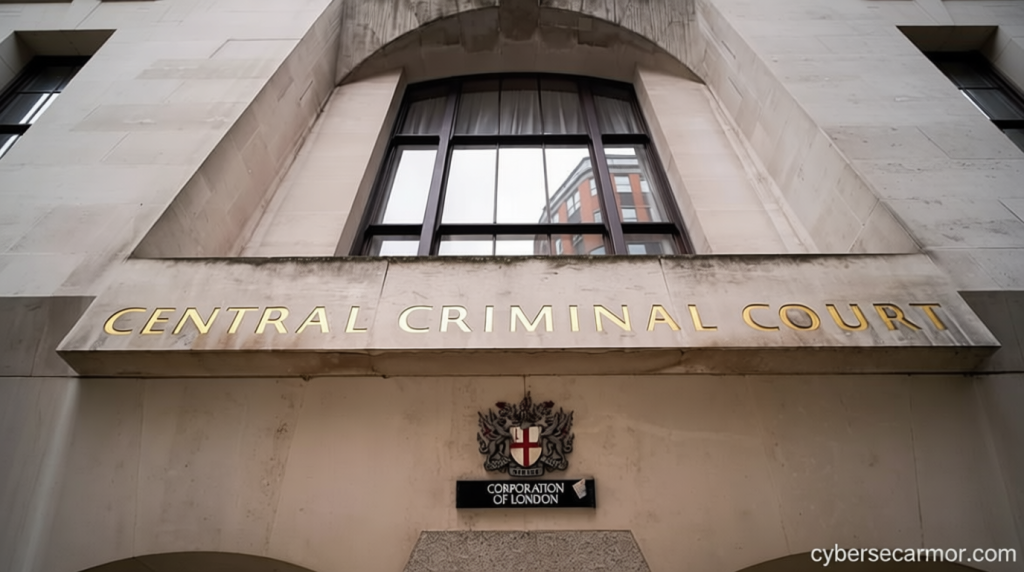
According to the court’s findings, Albadri was charged with preparing for terrorist activities and carrying weapons. The trial, held at London’s Old Bailey courthouse, revealed that the defendant had expressed a desire to “exact revenge” for the deaths of children in Gaza, which he cited as the motivation behind his attack plan. Prosecutors presented footage from a police body camera, capturing Albadri’s interaction with officers as he confronted them at the embassy site. In the clip, he stated, “I wanna make a crime inside there, why are you stopping me?” This declaration underscored his intent to carry out an act of violence within the embassy premises.
Background of the Incidents
The prosecution emphasized that the attack attempt was not an isolated event but part of a broader pattern of extremist behavior. During a search of Albadri’s belongings, authorities discovered a so-called “martyrdom note,” a document often used by individuals planning suicide attacks. This finding added weight to the claim that his actions were motivated by a deep-seated ideological resolve. However, Albadri contested these allegations during his testimony, asserting that the knives he carried were for personal use and not intended to harm anyone.
“The knives were meant for my own protection,” he testified, explaining his circumstances as a homeless man in need of basic tools to survive. “I didn’t plan to hurt anyone, only to defend myself in a place where I had no other means.” This defense, however, did not sway the jury, who spent nearly 14 hours deliberating before reaching their decision. The conviction was a clear indication of the court’s belief in the defendant’s intent to carry out an attack.
Albadri’s asylum journey had been marked by multiple challenges. He had entered the UK twice via small boats, each time seeking refuge from his homeland. Yet, in April 2025, his application was denied, leaving him in a precarious situation. His lawyer, Chris Henry, highlighted this struggle during the trial, noting that Albadri had faced imprisonment and mistreatment in Kuwait for his activism on human rights issues. “He was in a state of total despair,” Henry stated, “but he tried to seek assistance after his asylum claim was rejected and he was told to vacate an asylum hotel.”
Security Implications and Context
The timing of the conviction coincided with a critical moment in UK security policy. Just a day prior, the country’s intelligence agencies had escalated the terrorism threat level to “severe,” the second-highest in their five-tier classification system. This decision was prompted by a series of recent attacks, including the stabbings of two Jewish men in north London and a wave of arson incidents targeting Jewish communities. The threat level increase signaled a heightened risk of further violent acts, with officials warning that an attack was “highly likely in the next six months.”
Albadri’s case has since been viewed as a pivotal example of the growing dangers posed by extremist individuals within the UK. His actions at the Israeli embassy highlight how personal grievances, such as the loss of life in Gaza, can be leveraged to justify acts of violence. The discovery of the martyrdom note also raises questions about the ideological underpinnings of his plan and the potential for similar attacks to occur in the future. Analysts have pointed out that the case reflects a broader trend of individuals using asylum processes as a way to gain entry into the UK before executing their plans.
Despite his denial of intent, the evidence presented during the trial painted a clear picture of his premeditated actions. The combination of his weapon possession, the presence of the martyrdom note, and his verbal admission of revenge for the Gaza killings left little room for doubt. His homelessness and lack of resources may have contributed to his decision, but the court found that these factors did not negate his criminal intent. The conviction serves as a reminder of the importance of rigorous vetting processes for asylum seekers, especially in the context of rising extremism.
Looking ahead, Albadri will now face sentencing. While the exact punishment remains to be determined, the conviction has already sent a strong message to potential extremists considering similar acts. His case also underscores the complex interplay between personal hardship and ideological motivations, illustrating how vulnerability can be exploited to fuel violence. As the UK continues to monitor the threat level, the legal system’s role in addressing such risks will remain central to national security efforts.
Albadri’s arrest and subsequent conviction have sparked discussions about the effectiveness of current asylum procedures in preventing threats to public safety. His lawyer argued that the individual’s mental state and emotional distress played a significant role in his actions, emphasizing the human element behind the crime. “This case is about a human being in real distress and what is going on inside his head,” Henry said during the trial. These words have been echoed by experts, who stress the need for a balanced approach that considers both the legal rights of asylum seekers and the security implications of their presence in the UK.
In the days following the conviction, the UK government reiterated its commitment to strengthening counterterrorism measures. The recent attacks on the Jewish community, coupled with Albadri’s attempted breach of the embassy, have prompted a reassessment of how asylum applications are evaluated. Authorities have also called for increased surveillance of individuals with potential links to extremist groups, ensuring that cases like Albadri’s are promptly addressed. The threat level of “severe” now carries additional weight, as it reflects not only the immediate risks but also the long-term challenges of countering radical ideologies within the country’s borders.
As the legal proceedings conclude, the focus shifts to the broader implications of the case. Albadri’s attempt to attack the Israeli embassy serves as a stark reminder of the dangers associated with unchecked extremism. The jury’s decision to convict him, despite his claims of personal necessity, underscores the gravity of the crime and the willingness of the legal system to act decisively. His story, from being a refugee to becoming a defendant, encapsulates the intricate journey of individuals caught between personal struggle and the potential for radicalization.

