
Contentious EU-Mercosur trade deal takes provisional effect
Contentious EU-Mercosur Trade Deal Takes Provisional Effect
Contentious EU Mercosur trade deal takes – The European Union and the Mercosur bloc, comprising Argentina, Brazil, Paraguay, and Uruguay, have finally reached a significant milestone in their long-standing trade agreement. After over two decades of discussions, the pact entered provisional force on Friday, marking a pivotal moment in the region’s economic relations. The deal, which aims to eliminate tariffs on most goods exchanged between the EU and Mercosur nations, is expected to create a free-trade zone encompassing more than 700 million people. This development has sparked both optimism and controversy, as stakeholders debate its broader implications.
Legal Challenges and Strategic Decisions
European Commission President Ursula von der Leyen made the decision to implement the deal provisionally despite ongoing legal scrutiny. A challenge to the agreement’s legality was pending before the Court of Justice of the European Union, yet von der Leyen proceeded with the application, effectively bypassing a required parliamentary vote for full ratification. In a message posted on X, she emphasized that the provisional execution would demonstrate the tangible advantages of the agreement and address concerns related to environmental and agricultural protections. This move was seen as a calculated effort to push forward with the pact amid rising geoeconomic tensions.
“Provisional application will show the agreement’s tangible benefits,” von der Leyen wrote. “And how legitimate sensitives have been addressed.”
The European Union chief is set to hold a virtual meeting with leaders of the Mercosur nations to commemorate the deal’s implementation. While the pact eliminates tariffs on a majority of trade items, it also allows for a phased transition, ensuring that sensitive sectors such as agriculture and environmental standards are gradually integrated. This approach is intended to balance economic opportunities with the need for regulatory oversight.
Support and Opposition
Reactions to the agreement have been polarized. Advocates argue that the deal unlocks access to new markets, which is crucial for the EU’s economic growth. They highlight how it could benefit businesses of all sizes and consumers by increasing product availability and affordability. Farmers, in particular, are expected to gain from expanded export prospects, with the EU’s agricultural sector poised to see increased demand for its goods. However, critics remain skeptical, warning that the pact may lead to a decline in environmental safeguards and pressure on domestic industries.
Opposition to the deal has been vocal, especially within certain EU member states. France, for instance, has been a prominent critic, with lawmakers securing a majority to refer the agreement to the Court of Justice for further evaluation. The European Parliament’s decision to initiate this legal review signals a cautious approach, as the bloc seeks to ensure the deal’s compliance with existing regulations. If the Court rules against the agreement, its implementation could be paused, leaving the future of the pact uncertain.
Progress and Future Steps
The agreement was formally signed on January 17, following approval from a majority of EU member states. While several countries supported the deal, others, like France, expressed reservations. The provisional application came after Brazil, Argentina, and Uruguay ratified the pact, with Paraguay expected to complete its endorsement soon. This step was crucial in enabling the deal to take effect, as the European Commission required at least one Mercosur nation to approve it before proceeding.
Despite the legal challenges and internal disagreements, the deal’s implementation reflects a commitment to fostering economic ties. Von der Leyen’s decision to proceed was influenced by support from key allies such as Germany and Spain, which prioritize market expansion. These nations view the pact as an opportunity to counteract the economic pressures of global trade dynamics, particularly in light of shifting alliances and competition from other trade blocs.
The deal’s impact extends beyond the EU and Mercosur countries, as it has the potential to reshape regional trade patterns. The free-trade zone is anticipated to boost economic activity by reducing trade barriers and promoting cross-border investment. However, the controversy surrounding the agreement underscores the complex trade-offs involved in such deals. Environmentalists and agricultural groups have raised concerns about the potential for increased imports from Mercosur, which they argue could undermine local production and ecological standards.
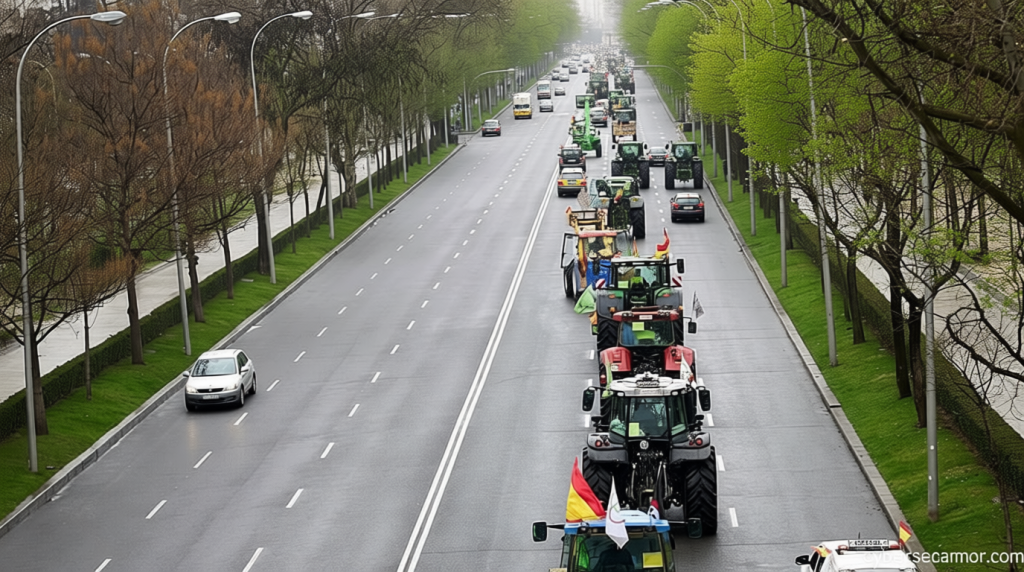
Leading up to the signing, EU farmers organized protests, using tractors to demonstrate against what they perceived as unfair competition from Mercosur imports. These demonstrations highlighted the tensions between economic integration and the protection of domestic industries. The European Parliament’s role in the process was also significant, as opponents leveraged their majority to initiate the legal review, signaling a desire to scrutinize the agreement’s alignment with EU values.
Bolivia’s Role and Regional Dynamics
Bolivia, the latest member of the Mercosur bloc, was not involved in the negotiations but is anticipated to join the agreement in the coming years. This inclusion could further expand the free-trade zone’s reach and influence, potentially affecting the EU’s trade strategy in South America. The deal’s provisional effect highlights the evolving nature of international trade, as the EU continues to navigate challenges in securing consensus and addressing divergent interests among its member states.
As the agreement moves forward, its success will depend on how well it balances economic gains with regulatory protections. The EU’s leaders and policymakers will need to monitor its implementation closely, ensuring that the benefits are realized while mitigating potential drawbacks. For now, the provisional application stands as a testament to the bloc’s determination to advance its trade interests, even in the face of opposition and legal uncertainty.

