ICE is relying more on vehicle stops. Ex-officials say that’s dangerous

Vehicle Stops Become Central to ICE Enforcement Amid Rising Fatalities
Cybersecarmor.com – Recent weeks have witnessed a dramatic shift in how federal immigration officers conduct their operations, with traffic stops emerging as both a cornerstone and a point of contention in the Trump administration’s aggressive deportation strategy. Following two separate fatal shootings within a six-day span, one of the agency’s most frequently utilized enforcement methods has come under intense examination by officials, experts, and the public alike.
A Rapid Policy Reversal
U.S. Immigration and Customs Enforcement agents found themselves at the center of controversy after shooting and killing two individuals during vehicle-stop encounters. The incidents prompted agency leadership to implement a temporary suspension of most traffic stops across the nation. However, this cautious approach was swiftly overturned by President Donald Trump, who took to social media to defend the practice.
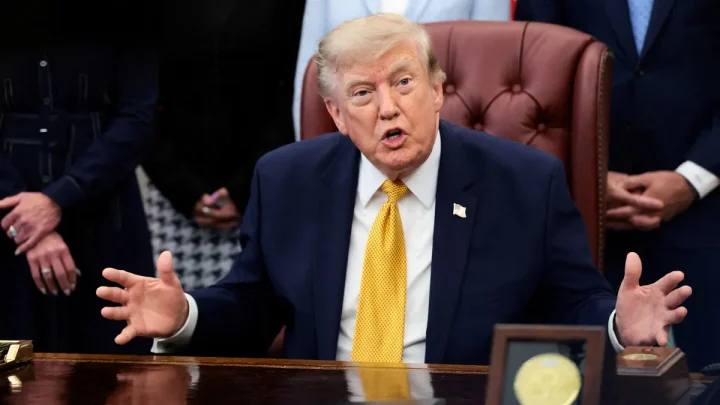
“We CANNOT give up one of I.C.E.’s most important and effective Crime Fighting tools, THE TRAFFIC STOP!”
The president’s immediate response to the suspension decision highlighted his commitment to maintaining aggressive enforcement tactics, even as questions mounted about officer safety and proper procedures.
Historical Context of ICE Operations
Former leaders within ICE have noted that vehicle stops were never traditionally considered a primary enforcement mechanism. Historically, when agents needed to make arrests in community settings, they relied upon extensive surveillance and meticulous planning. These operations typically targeted individuals at their residences, places of employment, or other established locations. Furthermore, such actions were generally reserved for immigrants deemed to pose public-safety risks or those carrying significant criminal convictions, according to former officials.
This approach has undergone substantial transformation as the current administration pursues what it characterizes as the most extensive deportation campaign in American history. ICE officers, alongside Border Patrol agents and other Department of Homeland Security personnel, have increasingly embraced street-level operations, including vehicle stops, to identify and apprehend undocumented immigrants—many of whom possess clean criminal records.
Rising Officer-Involved Incidents
The expansion of street operations has coincided with a noticeable increase in officer-involved shootings. According to a USA TODAY analysis examining official statements, lawsuits, and court records, immigration agents have shot more than twenty individuals since the beginning of last year. The majority of these victims were occupants of vehicles at the moment the incidents occurred.
Policing specialists and use-of-force experts have expressed concern that this pattern indicates insufficient training and experience in conducting traffic stops safely. Law enforcement professionals widely recognize traffic stops as among the most hazardous types of encounters that officers may face.
“A traffic stop is a tricky and sometimes dangerous thing, and it takes real in-depth scenario-based training to learn how to do properly,” said David Harris, a law professor at the University of Pittsburgh who focuses on police procedure. “It doesn’t seem like ICE agents are getting that.”
The Recent Shootings
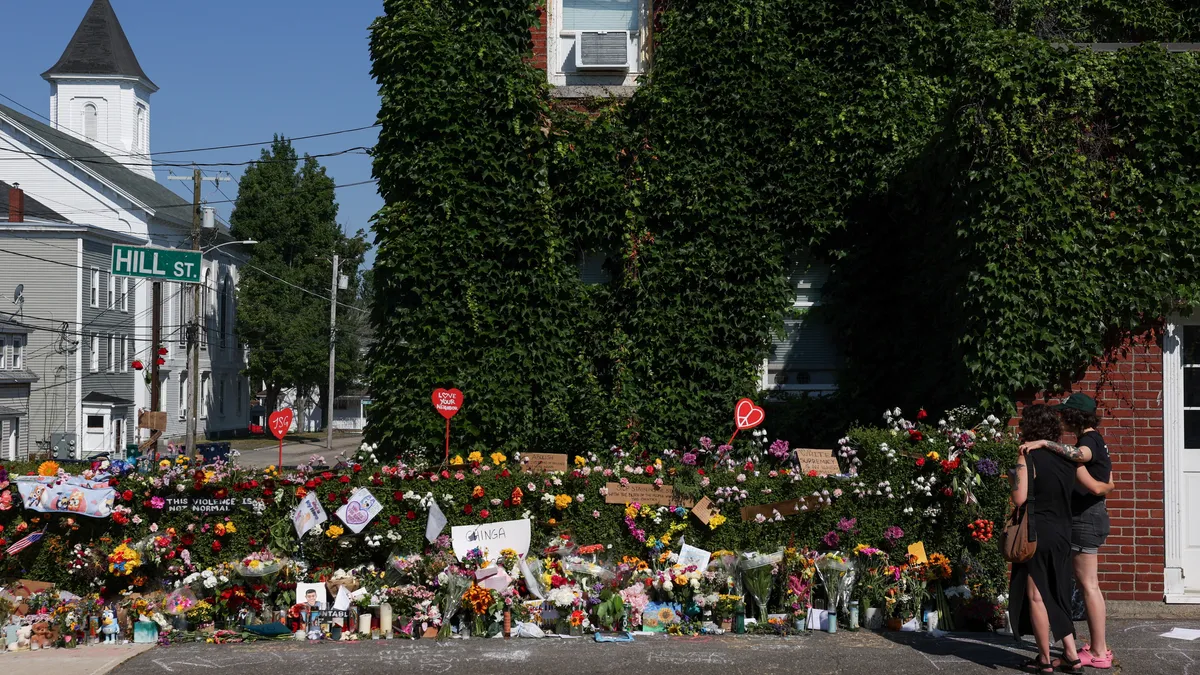
The July 13 incident in Biddeford, Maine, involved an ICE officer shooting and killing a Colombian man in a residential neighborhood. According to the Department of Homeland Security, the man attempted to flee the scene, and the agent opened fire “fearing for public safety.”
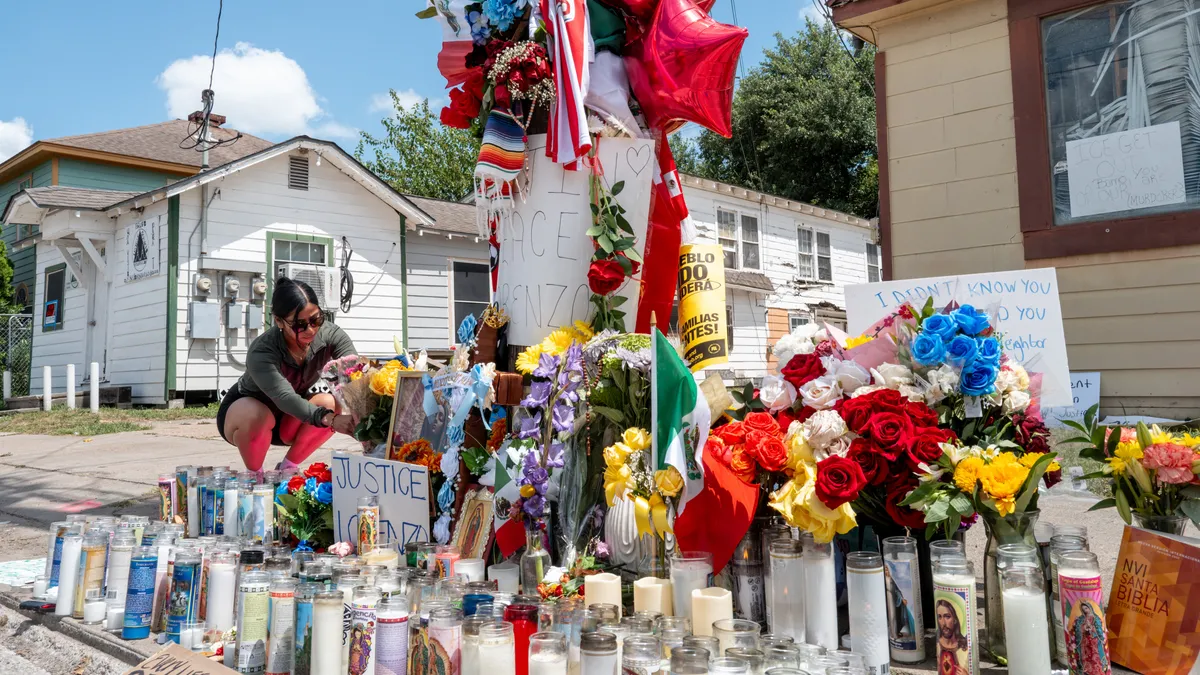
Just six days prior, a similar tragedy unfolded in Houston, Texas, where an ICE officer fatally shot a Mexican national during a traffic stop. Federal officials maintained that the man attempted to ram agents with his vehicle, though witnesses strongly contradicted this account.
Expert Reactions and Ongoing Debate
In response to the growing public outrage, the heads of both ICE and the Department of Homeland Security directed agents to suspend most traffic stops and emphasize alternative enforcement tactics.
“Our #1 goal is to keep our officers safe and get criminals OFF our streets. Illegal aliens will be arrested and deported wherever they are,” said Homeland Security Secretary Markwayne Mullin in a statement to USA TODAY.
White House border czar Tom Homan characterized the pause as a “short-term review to make sure ICE agents are safe and doing the right thing” during a Fox News interview. He also addressed concerns from conservative commentators who feared the suspension might impede enforcement efforts, noting that agents could still apprehend individuals at their homes or before they entered vehicles.
Despite these assurances, Trump returned to social media the following morning to criticize the decision, framing it as a win for Democrats and criminals. Within hours, the White House confirmed the president had reversed the directive, allowing officials to continue evaluating training policies—a move that frustrated policing experts, former ICE officials, and lawmakers who viewed the temporary suspension as a sensible response to the recent deadly incidents.
“With so many shootings and several people dead, I don’t understand why they’re opposed to taking a pause,” said John Sandweg, who served as acting ICE director under former President Barack Obama.
For the majority of ICE’s existence, the agency relied heavily on local jails and established detention facilities rather than spontaneous street encounters. This historical approach has given way to a more dynamic, albeit riskier, enforcement model that continues to evolve as the administration pursues its ambitious deportation goals.