Wildfires set record levels of hazardous air in US. Ways to stay safe

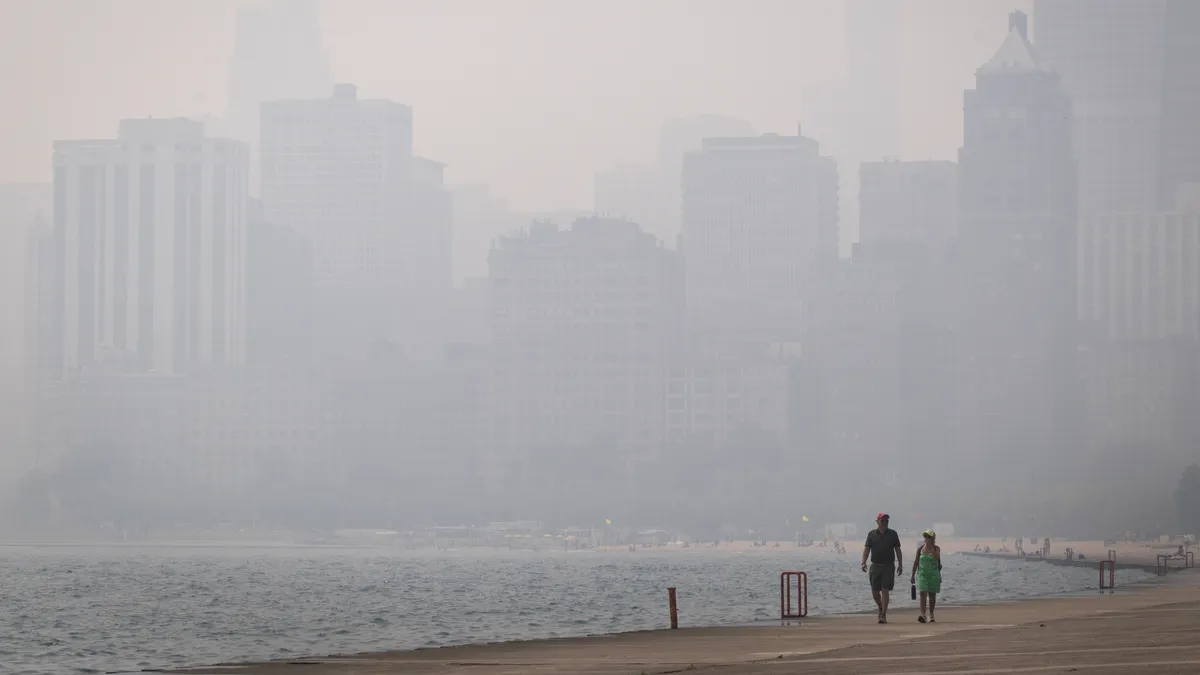
Record-Breaking Air Pollution Grips Eastern United States as Canadian Wildfires Intensify
Cybersecarmor.com – Residents across the eastern portion of the United States are experiencing unprecedented air quality conditions as toxic smoke from Canadian wildfires blankets the region. On Friday, July 17, hazy skies stretched from Minnesota down to Virginia, with pollution traveling hundreds of miles from its source. More than 800 separate blazes continue to burn throughout Canada, sending plumes of hazardous particles across international borders.
Beyond the dramatic visual transformation of familiar landscapes—such as Chicago’s iconic skyline or the New Jersey stadium hosting the World Cup final—this smoke presents serious health threats. Microscopic particles penetrate deep into human lungs and enter the bloodstream, creating both immediate and lasting medical consequences for millions of people.
Historic Air Quality Measurements Recorded
Dr. Santina Wheat, who serves as program director for the McGaw Northwestern Family Medicine Residency at Delnor hospital near Chicago, emphasized the universal impact of this pollution event. “Unfortunately, the levels − at least where I am − are bad for everyone, regardless of whether you have underlying conditions or not,” she explained. “It can impact everyone as they’re breathing.”
Air quality indices tracking fine particulate matter have exceeded historic benchmarks established during the 2023 wildfire season. In Cleveland, Dr. David Margolius, the municipal public health director, reported that the local air quality index reached a record-breaking value of over 600 on July 16. This measurement far surpasses the hazardous threshold and nearly doubles the city’s previous record of more than 300 set during summer 2023. According to Margolius, this represents the highest reading since systematic data collection began in the 1970s. Levels ranging from 0 to 50 are classified as good with minimal pollution risk.
“It was predicted it would happen more in the future,” Margolius noted. “Here we are.”
While July 17 readings indicated slightly improved conditions in Cleveland, values remained near hazardous levels around 300. Chicago, Detroit, and Milwaukee similarly experienced unprecedented air quality measurements during this period.
Health Implications and Vulnerable Populations
Alistair Hayden, a professor of public and ecosystem health at Cornell University and former division chief at the California Office of Emergency Services, highlighted that western communities have long adapted to wildfire smoke. In contrast, eastern populations previously considered low-risk are now facing significant exposure.
Hayden, who created real-time mortality mapping for wildfire smoke events, projected elevated death rates in recent days for both Chicago and Detroit, cities currently enveloped by toxic air. The American Academy of Allergy, Asthma and Immunology reports that smoke causes immediate problems like asthma attacks and heart attacks visible in emergency rooms, while also presenting longer-term life-threatening dangers.
Kirsten Koehler, professor of environmental health and engineering at Johns Hopkins University, explained that particles smaller than a human hair diameter remain suspended in air for extended periods because gravity cannot pull them downward. When inhaled, these particles navigate through complex airway networks and become trapped deep within lung tissue. Koehler noted that particles trigger inflammation and oxidative stress, potentially damaging cells throughout the body and contributing to conditions linked to neurological impairment and cancer development.
The U.S. Centers for Disease Control and Prevention identifies initial exposure symptoms including irritated eyes, nose, and throat. These can progress to coughing, wheezing, headaches, fatigue, and chest discomfort. Individuals with preexisting conditions such as heart disease and diabetes experience greater respiratory and cardiac strain as their bodies work harder to obtain clean air. Older adults and young children face additional vulnerability due to developing or declining immune systems and increased respiratory effort requirements.
Protective Measures and Future Outlook
Several strategies can help reduce personal exposure during this pollution event. Wheat recommends remaining indoors whenever possible, particularly when air conditioning is available during warm weather. Inside homes, keeping windows and doors sealed prevents outdoor pollution from entering living spaces.
Research demonstrates that climate change is elevating wildfire frequency and intensity, meaning toxic air from these blazes will increasingly affect American populations. “We really should be planning for a future that’s going to continue to have smoke in it,” Hayden observed.
Meanwhile, the National Weather Service forecasts rain for the eastern United States, which may temporarily reduce harmful airborne particles while fires continue burning.
Eduardo Cuevas is based in New York City. Reach him b