Why wildfire smoke is making air quality so bad across the US

Understanding the Widespread Air Quality Crisis Caused by Canadian Wildfires
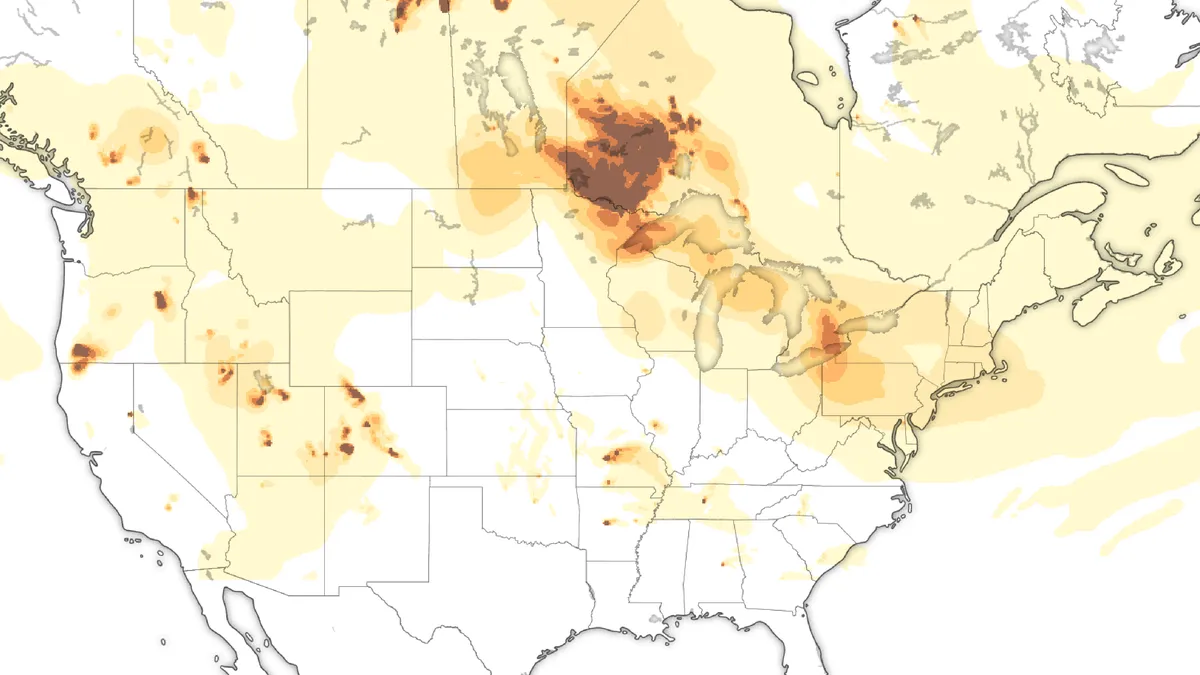
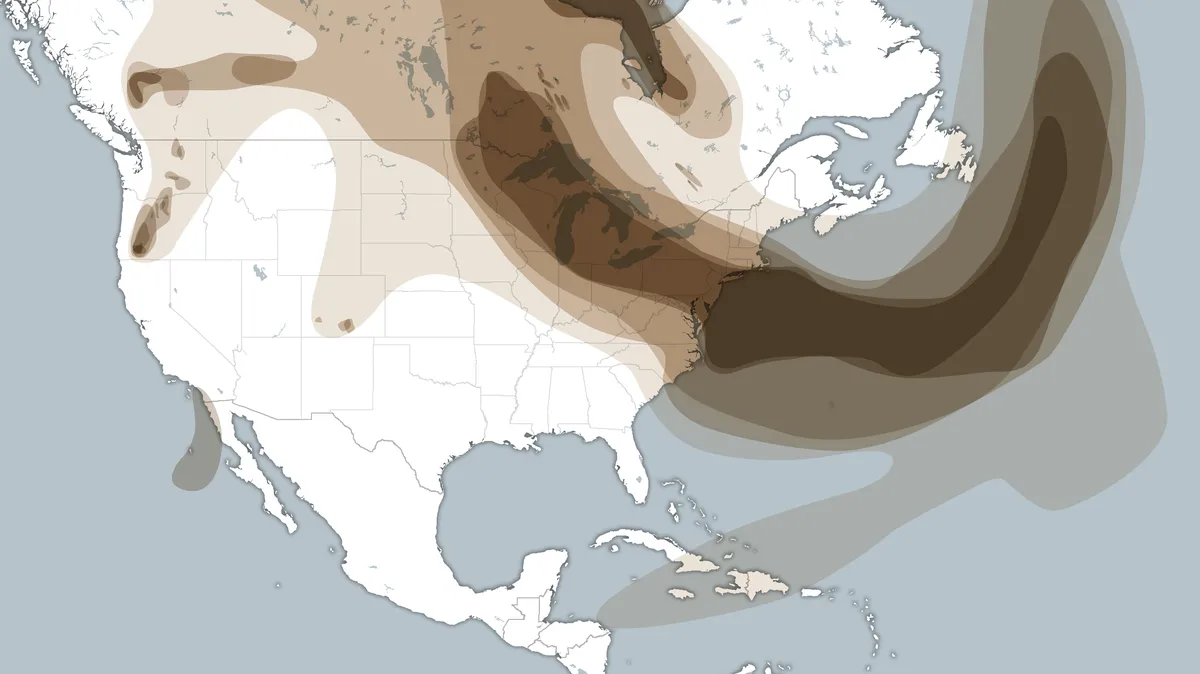
Cybersecarmor.com – From the shores of the Great Lakes to the nation’s capital, millions of Americans are currently navigating hazardous breathing conditions. The culprit is a massive plume of smoke generated by hundreds of active wildfires burning across Canada and parts of Minnesota. This atmospheric event has prompted air quality warnings for tens of millions of residents living in the affected corridor. Urban centers experiencing particularly dangerous conditions include Toronto, Philadelphia, Buffalo, Milwaukee, Detroit, Cleveland, Chicago, Columbus, Washington D.C., and Pittsburgh. These alerts, according to meteorological data from AccuWeather, signal a significant regional health concern that extends well beyond the immediate fire zones.
The Meteorological Culprit: A Shifting Heat Dome
The extensive reach of this toxic smoke can be attributed to a specific sequence of weather patterns converging at the right moment. Peyton Simmers, a meteorologist with AccuWeather, explains that the primary driver is a thermal high-pressure system that has been influencing the central portion of the country.
“A heat dome that has been sitting across the central United States has shifted back to the west,” said Simmers.
This movement coincided precisely with the eruption of numerous wildfires in Canada. As the heat dome repositioned itself, it created a favorable pathway for the smoke to travel northward and then eastward across the continent. The timing of these meteorological events has resulted in an unprecedented concentration of particulate matter in the air.
Wind Patterns: The Smoke’s Highway
The trajectory of the smoke is largely dictated by upper-level wind currents. Simmers describes how these atmospheric rivers guide the particulate matter across vast distances.
“On the northern side of the heat dome, there are northwesterly winds that are aimed at the Great Lakes and Northeast United States,” said Simmers. “The smoke rides the upper air winds like train tracks and goes where the wind does.”
This analogy of smoke following wind patterns like trains on tracks helps illustrate the predictability of the phenomenon. The smoke is not merely drifting randomly; it is being channeled along specific atmospheric corridors that lead directly into populated areas of the United States.
Forecast and Future Outlook
AccuWeather’s projections indicate that the smoky conditions will persist over the Great Lakes region and extend southward to New York through the upcoming weekend. However, there is optimism for improvement as the weather systems continue to evolve.
“There is relief in sight this weekend as the winds will turn more westerly and keep the smoke away from the United States,” said Simmers.
Despite this positive forecast, the situation is not entirely resolved. Simmers notes that the respite may be temporary depending on subsequent wind shifts.
“However, any northwest winds next week can bring smoke back into the Great Lakes and Northeast, but this should not be as bad as what is going on currently,” he said.
The current episode represents the peak of the immediate crisis, with future occurrences expected to be less severe even if smoke returns to the region.
Contributing Factors to Intense Burning
Beyond the wind patterns, the intensity of the fires themselves is driven by specific environmental conditions. The combination of heat and dryness has created ideal circumstances for rapid fire spread.
“the lack of rainfall recently in southern Canada and the heat dome further drying out the fuels needed for wildfires,”
This explanation highlights how the same heat dome that influences wind patterns also contributes to the severity of the fires by desiccating vegetation and other combustible materials. The result is a landscape primed for extensive burning.
Health Implications and Protective Measures
The poor air quality poses particular risks to sensitive populations. Children, elderly individuals, and those suffering from respiratory ailments such as asthma and chronic obstructive pulmonary disease (COPD) face elevated health threats. Simmers emphasizes the importance of limiting outdoor exposure during this period.
“People should stay inside,”
For those who must venture outdoors, wearing a mask is recommended to filter out harmful particulates. Additionally, ensuring access to indoor spaces is crucial for minimizing exposure. Simmers also provides guidance for motorists and pet owners.
“If driving, turn the AC to recirculate air, to limit exposure and lastly, make sure pets are staying indoors.”
These simple yet effective measures can significantly reduce the health impacts of the smoke. The combination of staying indoors, using air recirculation in vehicles, and protecting vulnerable family members and pets represents a comprehensive approach to managing this atmospheric event. In conclusion, while the current situation is challenging, the meteorological conditions suggest that relief is imminent. Residents across the affected regions are advised to remain vigilant and follow the recommended precautions until the wind patterns shift sufficiently to clear the air.