ICE fatally shoots Mexican immigrant in Houston

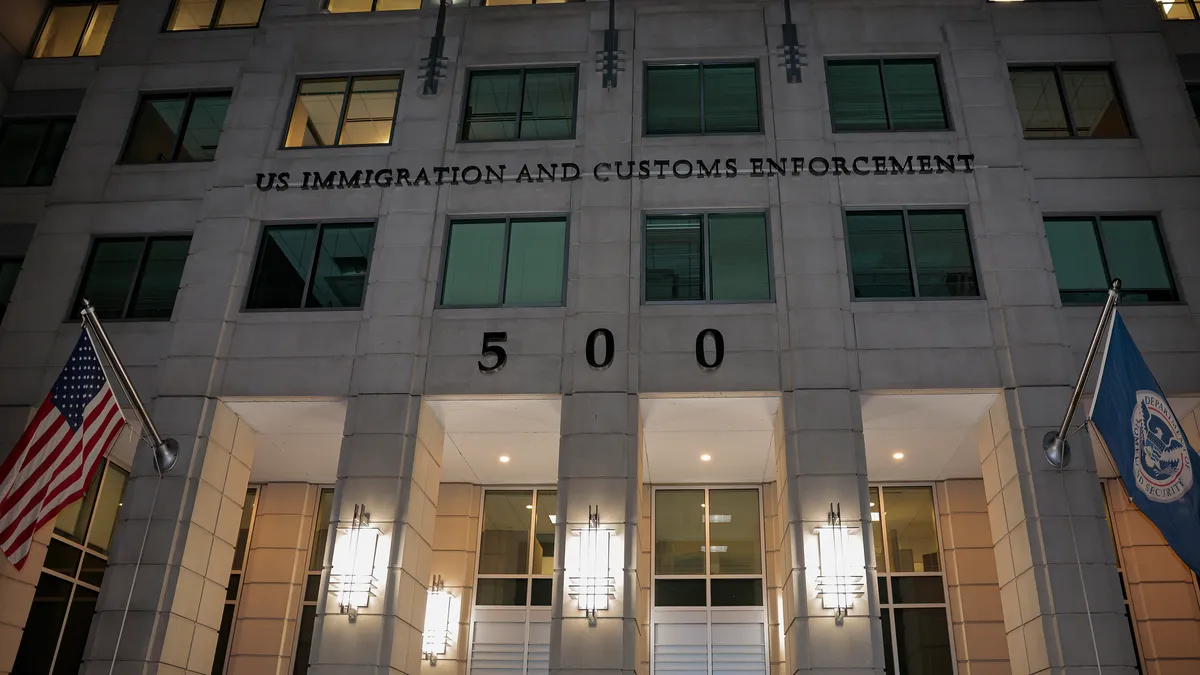
ICE Fatal Shooting of Mexican Immigrant Sparks Outcry in Houston
Cybersecarmor.com – On July 7, 2026, a Mexican immigrant was fatally shot by U.S. Immigration and Customs Enforcement agents in Houston, Texas, according to officials from the agency. The incident occurred during a “targeted enforcement operation” in the city’s East End neighborhood shortly before 7 a.m., as reported by an ICE spokesperson. The man, identified as Lorenzo Salgado Araujo, was killed after agents attempted to stop his vehicle, though the circumstances of the confrontation remain under scrutiny.
Agents Claim Self-Defense Was Justified
ICE officials stated that Salgado Araujo “attempted to evade arrest” and “weaponized his vehicle in an attempt to run over” an agent. They argued that the individual fired his weapon in self-defense during the encounter. The agent involved was not immediately identified, and the exact sequence of events leading to the shooting is still being investigated. Salgado Araujo was transported to a local hospital but succumbed to his injuries shortly after arrival.
“We’ve heard this excuse one too many times,” said Domingo Garcia, a former president of the League of United Latin American Citizens (LULAC). “The idea that he weaponized his van doesn’t hold up when you look at the evidence.”
LULAC Condemns ICE’s Narrative
LULAC, a prominent Latino civil rights organization, has been in communication with Salgado Araujo’s son, Ronaldo, who provided details about the incident. Family members described the man as preparing to start his workday when the shooting occurred. Two other workers present at the scene were also detained by immigration agents, according to the group. LULAC is offering a $5,000 reward for information that could lead to the indictment or exoneration of the officer involved.
The group has criticized the agency’s explanation of the event, emphasizing a lack of transparency. Garcia pointed out that the descriptions of the shooting align with similar accounts from previous cases, including the fatal shootings of Silverio Villegas-Gonzalez outside Chicago in September 2025 and Renee Good in Minneapolis in January 2026. These incidents have drawn widespread criticism, with LULAC calling for a thorough examination of ICE’s actions.
Family Says Man Was on Path to Citizenship
Salgado Araujo’s family revealed that he was in the process of becoming a U.S. citizen, adding another layer to the controversy. This information, shared with USA TODAY, highlights the contradiction between the man’s legal status and the circumstances of his death. The family’s account has intensified calls for accountability, with critics arguing that ICE’s aggressive tactics may have led to the unnecessary use of force.
USA TODAY has contacted the Department of Homeland Security (DHS) for further clarification on why agents pursued Salgado Araujo. The agency has not yet provided a detailed explanation, though they have confirmed that the inspector general will lead the investigation into the shooting. Additionally, FBI officials in Houston are examining a “potential assault on a federal law enforcement officer” related to the incident.
Broader Context of DHS Enforcement Efforts
The incident occurs amid ongoing enforcement efforts by the Department of Homeland Security, which has maintained a heightened focus on immigration since President Donald Trump’s administration. The agency’s aggressive strategies have been a point of contention, with critics from both political parties raising concerns about the use of lethal force against immigrants. The recent deaths of Villegas-Gonzalez, Good, and Alex Pretti, another U.S. citizen, have already sparked debates about the fairness of these operations.
Following the shootings of these individuals, the department faced significant backlash, leading to internal changes. The narrative surrounding the incidents shifted as scrutiny increased, with some officials reevaluating their responses. This trend of altering accounts has fueled accusations of bias and inconsistency within the agency. LULAC and other advocacy groups have highlighted the need for a unified approach to investigate such cases.
Political Fallout and Leadership Changes
The controversy has not only affected the families of the victims but also prompted leadership changes within DHS. Homeland Security Secretary Kristi Noem and Border Patrol Commander Greg Bovino were among the top officials removed due to their handling of the incidents. The shakeups reflect growing pressure on the agency to address public concerns about its practices.
Former U.S. Senator Markwayne Mullin was appointed to replace Noem after being confirmed by the Senate in March 2026. While the new leadership has emphasized transparency, critics argue that the fundamental issues surrounding ICE’s actions remain unresolved. Garcia reiterated the demand for a comprehensive inquiry, drawing parallels to the ongoing investigations in Minnesota into the deaths of Good and Pretti.
Community and Public Reaction
Residents in Houston and across the country have expressed outrage over the shooting, with many questioning whether the force used was justified. The incident has reignited debates about the balance between immigration enforcement and the protection of individual rights. Photos from the scene, shared by LULAC, show the front and driver’s side of a white van with no visible dents or scratches, challenging ICE’s claim that the vehicle was used to attack agents.
Despite the visual evidence, ICE maintains its initial account of the events. The agency’s spokesperson stated that the van was “weaponized” during the encounter, but the lack of physical damage has led to skepticism. USA TODAY has not independently verified the images, leaving room for further discussion. Meanwhile, Houston Mayor John Whitmire’s spokesperson, Mary Benton, clarified that local police were not involved in the shooting, directing inquiries to the Department of Homeland Security.
The case underscores the broader tensions in immigration policy and its impact on communities. As the investigation continues, the focus remains on whether the actions taken by ICE agents were appropriate or if systemic issues within the agency contributed to the tragedy. For now, Salgado Araujo’s death stands as a poignant reminder of the stakes involved in federal enforcement efforts and the calls for accountability that follow.