Trump reignites call for US to control Greenland at NATO summit

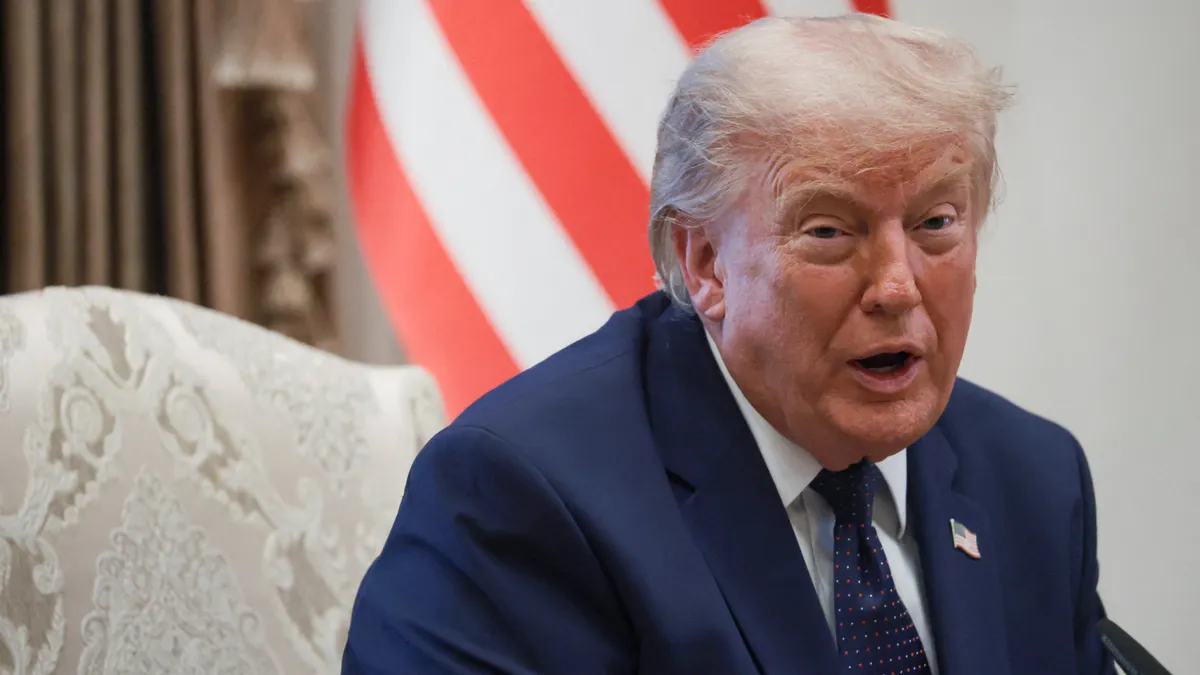
Trump Resurfaces Greenland Claim at NATO Summit, Threatening European Troop Withdrawal
Cybersecarmor.com – The 2026 NATO summit in Ankara, Turkey, opened on July 7 with a dramatic shift in tone as President Donald Trump once again pushed for the United States to assume control of Greenland. The proposal, previously raised in January and briefly sparking a crisis within the alliance, has reignited tensions as Trump hinted at reducing American military presence in Europe unless the issue is resolved.
Greenland as a Strategic Priority
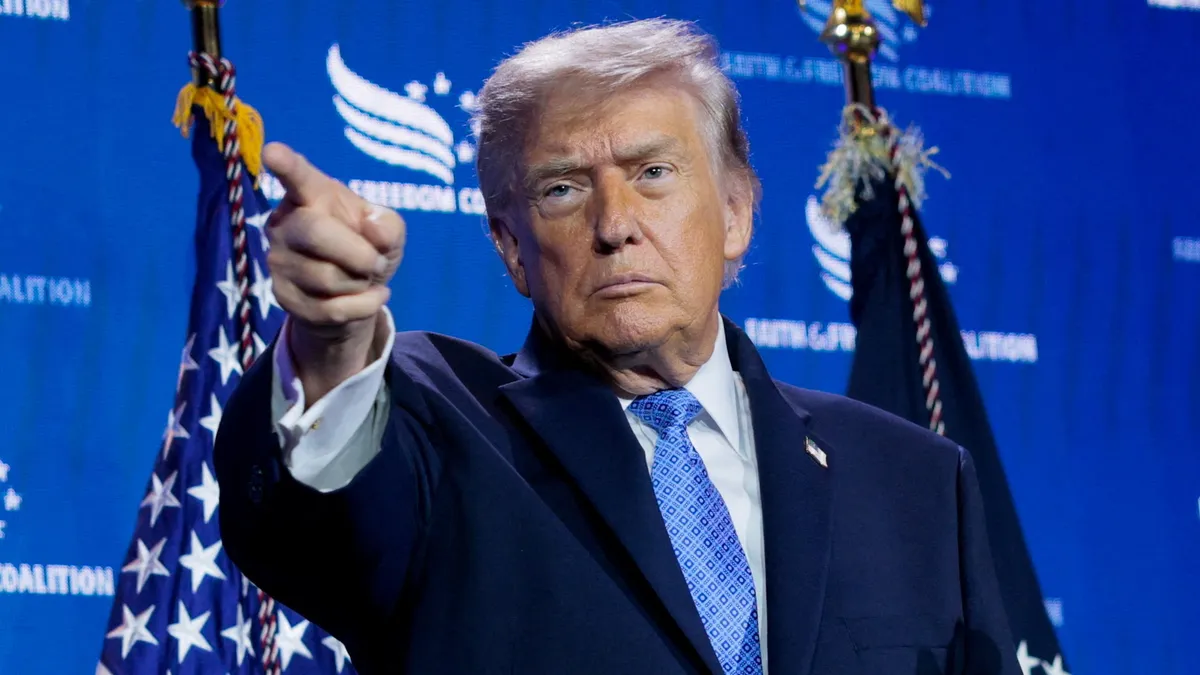
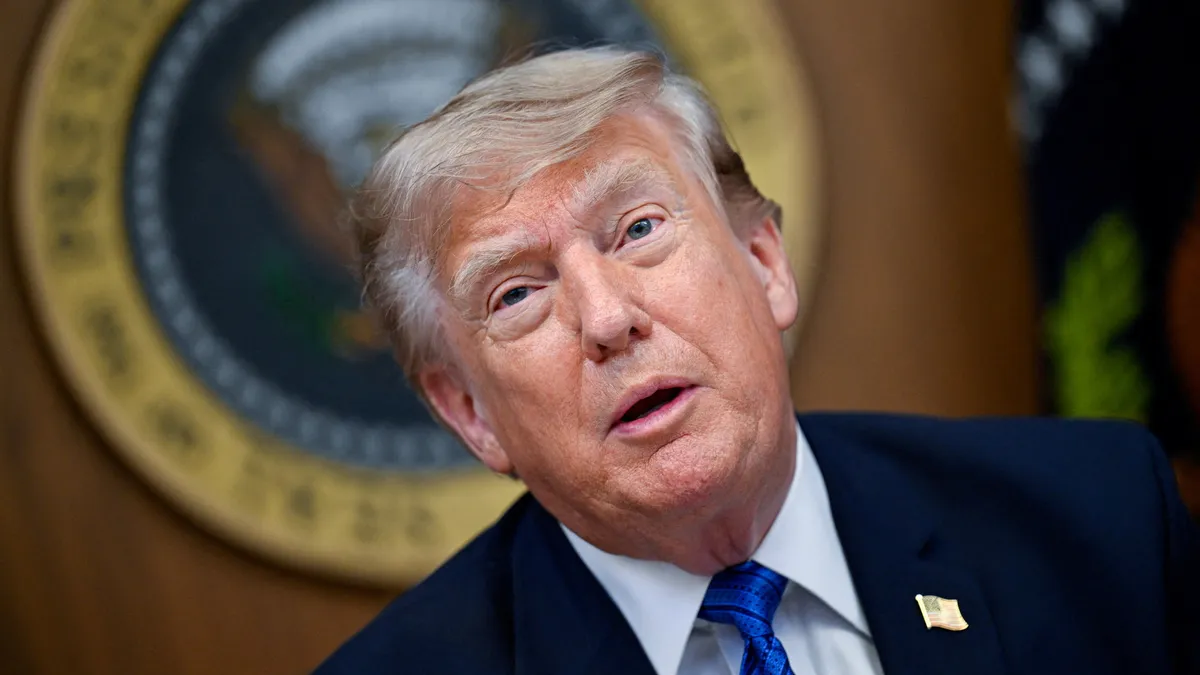
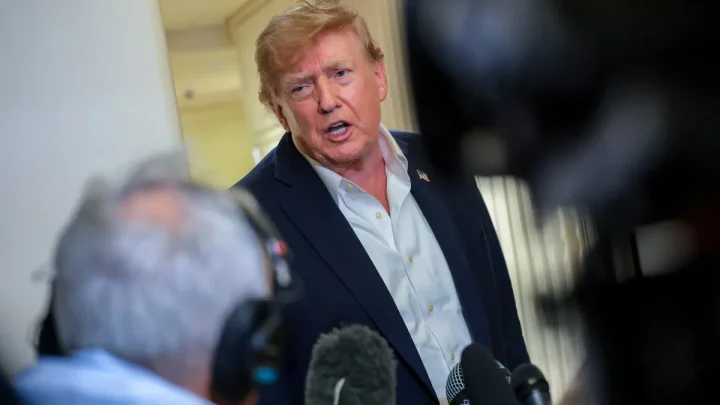
During a high-level meeting with Turkish President Recep Tayyip Erdoğan, Trump emphasized the territory’s significance to U.S. national security. He argued that Greenland’s location, flanked by Chinese and Russian naval forces, makes it a critical asset for American interests. “That’s what hurt my relationship with NATO,” he said, addressing the reporter’s inquiry about the island. “Because Greenland doesn’t help Denmark. Denmark doesn’t spend money to really help Greenland, but it’s an important part for the United States.”
A Crisis Rekindled
Trump’s January push to seize Greenland from Denmark had nearly fractured the NATO alliance, as the proposal threatened to shift the balance of military and strategic power. At that time, he had threatened to impose tariffs on European allies, arguing that their support for the U.S. war in Iran was lacking. The tension eased when he announced a “framework of a future deal” involving NATO, Denmark, and the Arctic region, signaling a willingness to negotiate rather than escalate conflict.
European Concerns and Troop Deployments
Trump’s current stance has raised fresh concerns among European NATO members. He warned that the alliance could face a significant loss of U.S. military support if it fails to address key issues. “We could remove all of our soldiers out of Europe,” he declared, highlighting the strategic importance of troop deployments. “Because, as you probably noticed, Europe’s a very different place than it was 20 years ago.”
This remark underscored his frustration with European nations’ reluctance to align fully with U.S. priorities. Trump accused them of not backing the war in Iran and of not offering adequate military assistance. “We didn’t need any help at all,” he said, adding that the U.S. had been testing their commitment. “I was assessing people. I was testing to see whether or not they’d be there for us.”
Denmark’s Defense of Sovereignty
Hours after Trump’s remarks, Danish Prime Minister Mette Frederiksen addressed the summit, reaffirming her country’s stance on Greenland’s sovereignty. “It is a well-known position of the United States that it wants to own and take over Greenland,” she stated, stressing that Denmark would not compromise on the island’s status. “I hope that it is equally well-known everywhere that this is not going to happen.”
Frederiksen also noted that Greenland’s status was non-negotiable, with Denmark having no intention of discussing Arctic or Greenland matters during the summit in Ankara. “Greenland is not for sale,” she said, reinforcing the Danish government’s position that the territory’s future should remain in the hands of its people.
Greenland’s Independence Stance
Greenland’s government has consistently rejected the idea of selling its autonomy to the U.S. Múte Egede, the territory’s foreign minister, reiterated this stance in a public statement. “Greenland’s future should be decided by its people,” he said. “That’s how it has always been. And that’s how it always will be.”
While Trump’s proposal has drawn criticism, it has also sparked renewed interest in Greenland’s strategic value. The island’s access to the Arctic region and its potential as a hub for resource extraction and defense operations make it a focal point for global powers. Trump’s repeated emphasis on the issue suggests that it remains a key part of his broader strategy to assert U.S. influence in the North Atlantic.
Troop Withdrawals and Geopolitical Shifts
The U.S. military has a substantial footprint in Europe, with approximately 68,000 active-duty personnel stationed across NATO countries. Trump’s administration had already taken steps to reduce this presence, including the withdrawal of 5,000 troops from Germany in May—a move interpreted as a response to Chancellor Friedrich Merz’s criticism of the U.S. military involvement in Iran.
Despite these withdrawals, Trump’s latest threat adds a new layer to the debate. By linking troop retention to Greenland’s sovereignty, he has framed the issue as a test of European loyalty. “They better be careful with immigration and energy,” he warned, suggesting that Europe’s internal policies could determine its geopolitical standing. “If they’re not careful with those two things, you’re not going to have a Europe anymore.”
Negotiations and the Path Forward
While Trump’s rhetoric has been intense, the summit in Ankara marked a temporary pause in the dispute. His offer to lift sanctions on Turkey, which could facilitate F-35 jet sales, highlights the U.S. government’s strategic approach to balancing regional interests. This move could be a sign of flexibility, though it does not necessarily signal a compromise on Greenland.
Meanwhile, the ceasefire in the U.S.-Iran conflict continues, with Trump’s officials working to secure agreements that would lead to the dismantling of Iran’s nuclear program. This development has allowed him to refocus attention on Greenland, positioning the island as a symbol of broader challenges in U.S.-European relations. “We’ve always been there for them,” Trump said, reflecting on his administration’s support for allies despite their recent hesitations.
Strategic Implications and Public Perception
Trump’s advocacy for U.S. control over Greenland has not only stirred debates about sovereignty but also highlighted the evolving dynamics within NATO. The alliance, once a cohesive bloc, now faces scrutiny over its ability to unify behind U.S. foreign policy initiatives. Critics argue that Trump’s focus on Greenland reflects a broader pattern of prioritizing bilateral interests over collective decision-making.
However, supporters of the proposal contend that Greenland’s strategic value justifies a U.S. takeover. With its proximity to the Arctic Ocean and access to critical resources, the territory could serve as a vital asset in the global competition for energy and mineral wealth. Trump’s repeated emphasis on the issue suggests that he views Greenland as a linchpin in the U.S. effort to maintain influence in the North Atlantic.
Conclusion
As the NATO summit progresses, Trump’s call for U.S. control of Greenland remains a contentious topic. The proposal, while not immediately realized, has rekindled discussions about the role of regional allies in shaping global strategy. Whether this will lead to a lasting agreement or further strain relations remains uncertain, but one thing is clear: Greenland has once again become a flashpoint in the evolving landscape of international diplomacy.