Green water, peeling paint. What’s going on with the Reflecting Pool?

Green Water, Peeling Paint: The Reflecting Pool Controversy Unfolds
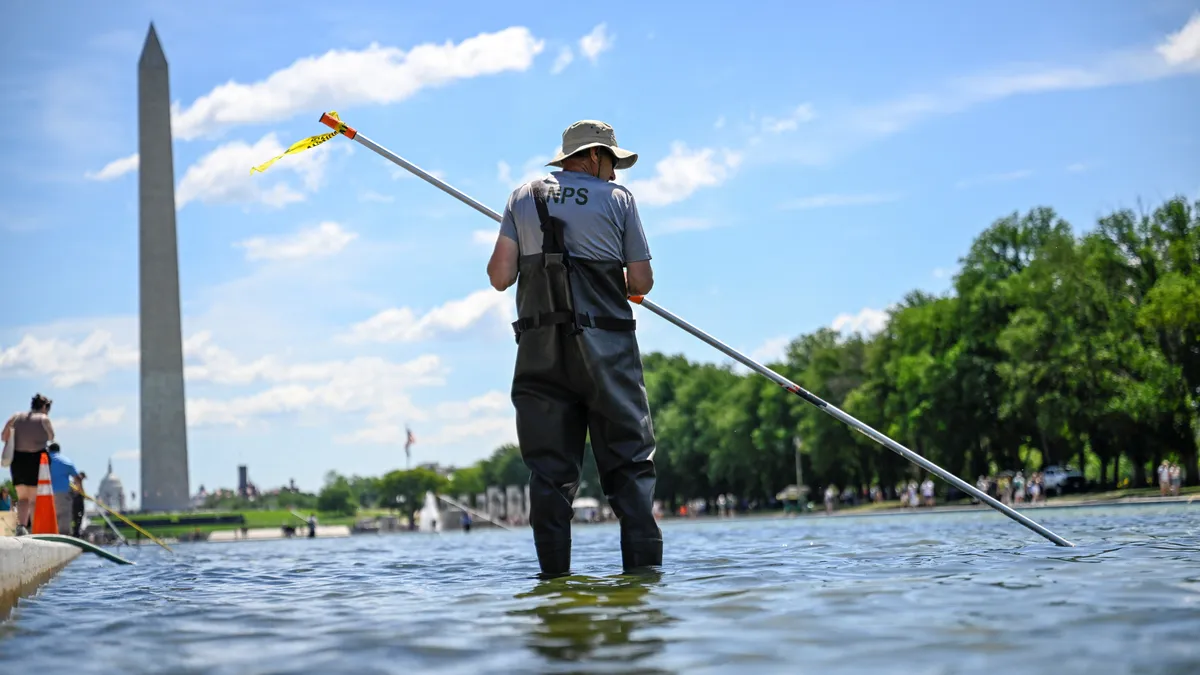
Cybersecarmor.com – Two weeks after President Donald Trump declared the Lincoln Memorial Reflecting Pool fully restored, a fresh wave of public debate has emerged in Washington, D.C. The pool, a iconic symbol of the National Mall, now displays a peculiar mix of natural phenomena and human intervention, sparking questions about the project’s true purpose and its impact on the historic site.
A Living Feature and a Political Statement
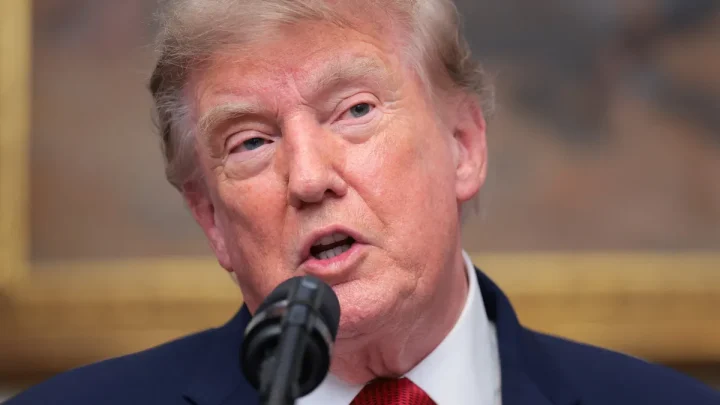
The pool’s current green hue is a familiar sight for many, as algae often thrive when the water is drained for maintenance. However, the peeling paint on its bottom has raised eyebrows, with some observers noting that this is an unusual occurrence. The color change, Trump claimed, was a deliberate choice to align the pool with the “American Flag Blue” theme, a deep navy shade he described as emblematic of national pride.
“The new color enhances the water’s ability to reflect the surrounding landmarks, creating a more vibrant visual experience.” – National Park Service
While the algae issue is well-documented, the paint’s deterioration has fueled speculation. Trump pointed to recent vandalism as the cause, citing the etching of “8647” on the National Mall lawn as evidence. The number, he argued, was left by individuals seeking to mock the pool’s condition. This claim contrasts with the pool’s long-standing challenges, which have persisted for decades despite multiple renovation efforts.
A History of Renewal and Neglect
The Lincoln Memorial Reflecting Pool, originally constructed in the early 1920s, has undergone several transformations over the years. In 1929, it received a reinforced concrete slab foundation, and by the 1930s, drainage trenches were added to its elm-lined walkways. A major overhaul in 1981 addressed water leakage and drainage, yet structural failures were identified in subsequent engineering reports.
By 1978, the pool’s maintenance schedule involved twice-yearly cleanings, removing 10 to 15 truckloads of debris each time. However, the algae problem has remained a recurring issue, with the Department of the Interior stating that “every pool reopening since 1922” has been accompanied by such blooms. Natural processes, like sunlight and warm water temperatures, contribute to algae growth, but human activity also plays a role. The Centers for Disease Control and Prevention explained that nutrients from runoff—carried by rain or blown in by wind—can accelerate algae proliferation.
Controversy Over Cost and Design
Trump’s recent project, which he unveiled in April, was framed as a response to complaints about the pool’s leaks and lack of cleanliness. The $34 million initiative included draining, cleaning, and refinishing the basin, with the president emphasizing his plan to sandblast, caulk, and resurface the area. Yet, the decision to repaint the pool’s bottom has drawn criticism from historians and preservationists.
Historically, the pool’s basin was made of gray concrete, which was prone to algae accumulation. Before that, the bottom was black, and in the past, the National Park Service even dyed the water to enhance its reflective qualities. The current “American Flag Blue” scheme, however, has been met with skepticism. Critics argue that the color choice was more symbolic than functional, given the pool’s inherent tendency to turn green.
The Legal Battle and Public Perception
A legal challenge has been added to the growing list of controversies surrounding the project. On May 11, the Cultural Landscape Foundation filed a lawsuit against the Department of the Interior, alleging that the renovations bypassed required federal review processes for historic sites. The foundation argued that the changes disrupted the pool’s original design and historical integrity.
Meanwhile, the pool’s condition has become a focal point for conspiracy theories. On June 19, David Hearn, a former Olympic canoeist, was arrested by U.S. Park Police for misdemeanor destruction of government property. Hearn claimed he had reached into the pool to “grab” a flapping piece of debris but did not remove it. His actions, though minor, were highlighted by Trump as proof of widespread vandalism.
Other Projects in Trump’s Portfolio
Trump’s initiatives extend beyond the Reflecting Pool. He has also planned the construction of a “Triumphal Arch” near Arlington National Cemetery and the demolition of the White House’s East Wing to replace it with a massive ballroom. These projects, while distinct, share a common thread: a blend of grandiose vision and practical challenges.
With the Reflecting Pool now at the center of a public spectacle, the debate has shifted from its physical state to the broader implications of its restoration. Supporters view it as a necessary update, while detractors see it as a political maneuver to reshape a beloved national landmark. The pool’s appearance, once a symbol of serenity, now reflects the tension between preservation and modernization.
The Science Behind the Green Water
Algae blooms are a natural consequence of the pool’s ecosystem. The National Park Service has long acknowledged that the water’s clarity fluctuates based on environmental factors. For instance, the recent heatwave in Washington, D.C., with temperatures in the 90s, created ideal conditions for algae growth. Additionally, rainfall has introduced nutrients from urban runoff, further encouraging the blooms.
Despite these challenges, the pool’s design remains a marvel of engineering. Its 2,000-foot length and 160-foot width make it one of the largest water features in the city. However, the very elements that sustain its beauty—sunlight, water flow, and environmental changes—have also contributed to its current state. The algae, while unsightly, is a testament to the pool’s role as a living, dynamic space rather than a static monument.
Public Reaction and Ongoing Questions
The controversy has captured public attention, with social media debates and news coverage highlighting the divide in opinions. Some see the algae as a natural part of the pool’s history, while others view it as a sign of neglect. The peeling paint, meanwhile, has sparked discussions about the durability of the materials used and the long-term maintenance required.
As the pool stands, its condition serves as a microcosm of the larger debates surrounding Trump’s infrastructure and aesthetic projects. Whether it is a triumph of design or a victim of mismanagement, the Reflecting Pool’s story continues to unfold, reflecting the complexities of public works in the modern era.
The National Mall’s iconic pool, once a symbol of national unity, now embodies the intersection of science, art, and politics. As the algae lingers and the paint fades, questions remain about the balance between innovation and preservation, the role of public opinion, and the lasting legacy of these changes. The saga, far from over, underscores the ongoing dialogue about how to maintain and enhance the nation’s landmarks in an ever-evolving landscape.