
Video. World Cup stadium workers demand ICE stay out
Video. World Cup Stadium Workers Demand ICE Stay Out
Protest at SoFi Stadium Sparks Concerns
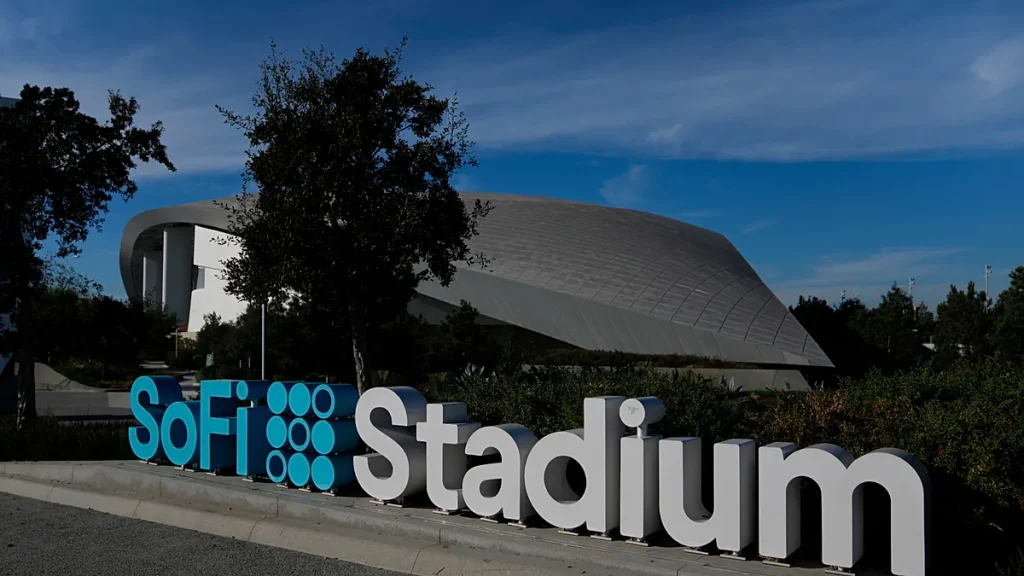
World Cup stadium workers demand ICE stay – On Monday, May 19, a significant number of laborers gathered outside SoFi Stadium in Los Angeles, staging a demonstration that drew attention to the potential involvement of U.S. immigration authorities in the 2026 FIFA World Cup. The crowd, estimated to be in the dozens, was united in their call for Immigration and Customs Enforcement (ICE) to be excluded from the event’s operations. Their presence was marked by signs bearing the slogan “Kick ICE Out,” as well as rhythmic chants echoing their demands. The protest was held ahead of a planned meeting between the workers and FIFA representatives, aiming to address the growing anxiety surrounding the tournament’s security protocols.
The demonstrators emphasized that their primary concern was the handling of personal information collected through the accreditation process for the World Cup. This process, which involves verifying the identities of staff, volunteers, and vendors, was criticized for being overly invasive. Workers argued that the data gathered—such as names, addresses, and employment details—could be shared with ICE, potentially leading to the deportation of individuals who are not U.S. citizens. The fear of this scenario has created a climate of unease among those working at the venue, with many expressing apprehension about how their backgrounds might be scrutinized during the tournament.
Accreditation Process Under Scrutiny
According to the protesters, the accreditation system, while designed to ensure security, has been leveraged to monitor attendees and employees more closely. They highlighted that the information collected could be used to target individuals for immigration enforcement, even if they are legally authorized to work in the United States. This concern has intensified as the 2026 World Cup approaches, with the event set to take place in Los Angeles, Mexico City, and the San Francisco Bay Area. The union representing the workers stated that ICE’s presence could disrupt the seamless experience of the tournament, affecting both the staff and the fans.
During the protest, some participants shared personal stories, explaining how their families and coworkers have been affected by ICE actions in the past. One worker, who wished to remain anonymous, described the stress of being constantly monitored, even during work hours. “Every time we submit our documents, we’re wondering if they’ll be used against us,” said the individual, whose words were captured in a blockquote. The sentiment was shared by others, who emphasized that the tournament should be a celebration of unity and diversity, not a platform for immigration enforcement.
“Every time we submit our documents, we’re wondering if they’ll be used against us,” said one worker, whose words were captured in a blockquote.
Strike Threat and Growing Tensions
As the World Cup draws closer, the workers have warned that failure to address their concerns could lead to a full-scale strike. They have outlined specific demands, including assurances that ICE will not have access to the data collected during the accreditation process. If these guarantees are not met, the workers plan to halt their duties, potentially disrupting the setup and execution of the tournament. The union leader, who did not disclose their name, stated that the strike would not only impact the event’s logistics but also serve as a statement against the use of immigration enforcement in the workplace.
Organizers of the protest have called on FIFA and the U.S. government to take swift action. They argue that the inclusion of ICE in the tournament’s operations could create a chilling effect, deterring employees from participating fully in the event. This, they claim, would undermine the spirit of the World Cup, which is meant to showcase global collaboration and cultural exchange. The workers’ frustration has been compounded by recent reports of ICE raids in other parts of the country, leading them to view the tournament as a potential venue for similar actions.
While the protest was focused on the Los Angeles venue, the issue has sparked discussions about the broader implications for the World Cup. Some analysts have pointed out that the inclusion of ICE could affect the event’s reputation, especially if it is perceived as targeting immigrant workers. Others have noted that the tournament’s success depends on the cooperation of thousands of employees, and any conflict with immigration authorities could threaten that cooperation.
Tom Steyer Joins the Demonstration
The protest gained additional momentum when California gubernatorial candidate Tom Steyer joined the demonstrators. Known for his advocacy on environmental and social issues, Steyer has also been a vocal supporter of immigration reform. His presence at the event underscored the political dimension of the workers’ demands, as he called for the U.S. government to prioritize the protection of its employees during the World Cup.
Steyer, who has previously criticized ICE for its aggressive enforcement tactics, used the demonstration as an opportunity to highlight the link between immigration policy and labor rights. He stated that the workers’ concerns were part of a larger conversation about how immigration enforcement is being implemented in the country. “This isn’t just about the World Cup; it’s about the everyday lives of people who are contributing to this event,” Steyer said, according to a blockquote.
His involvement has drawn attention from both supporters and critics, with some viewing his participation as a strategic move to align with the workers’ cause, while others question the relevance of his political campaign to the immediate issue at hand. Regardless of the perspective, the demonstration has highlighted a growing divide between labor groups and immigration enforcement agencies, with the World Cup serving as a focal point for this debate.
As the tournament preparations intensify, the workers’ demands remain a critical point of discussion. FIFA and the U.S. government have been urged to provide clear commitments on the use of data and the role of ICE in the event. The outcome of these discussions could have far-reaching consequences, not only for the World Cup but also for the labor rights movement in the United States. The protesters hope their voices will be heard, ensuring that the World Cup becomes a symbol of inclusivity rather than a stage for immigration enforcement.
Meanwhile, the California gubernatorial race continues to reflect the nation’s broader political landscape. Steyer’s participation in the demonstration aligns with his campaign’s focus on social justice, and it may influence his standing among voters who prioritize immigrant rights. The event has also sparked conversations about the role of private sector workers in shaping public policy, with some arguing that their concerns should be taken seriously as the World Cup approaches.
With the tournament set to begin next month, the workers’ actions serve as a reminder of the human impact of immigration policies. Their protest is not just a reaction to the accreditation process but a call for systemic change, ensuring that the World Cup’s legacy includes a commitment to protecting all those who contribute to its success. As the situation evolves, the outcome of this dispute will be closely watched, both for its implications on the event and for its impact on the broader labor and immigration movements in the United States.

