
Pint or pichet? Beer consumption overtakes wine for the first time in France
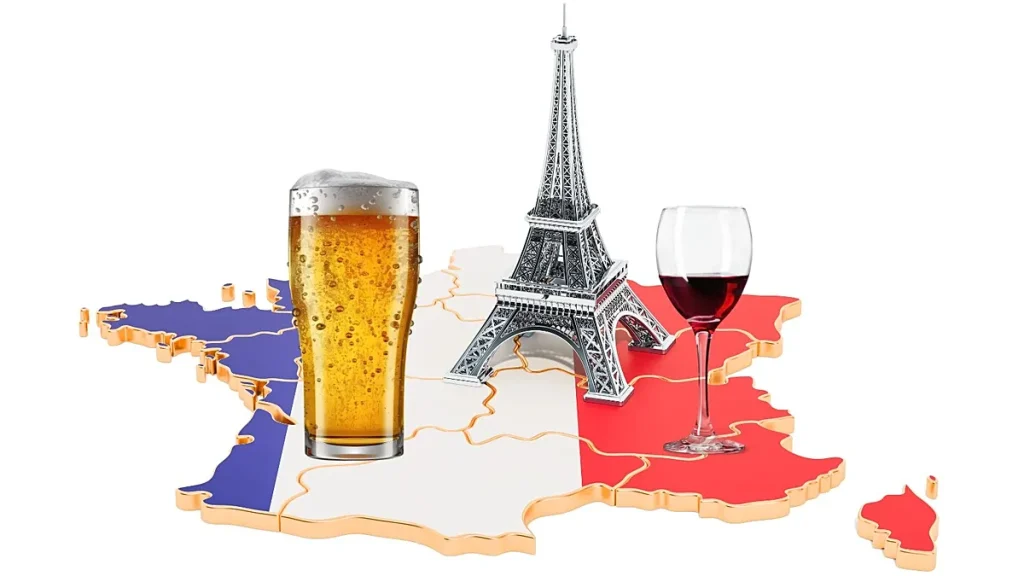
Pint or Pichet? Beer Consumption Overtakes Wine for the First Time in France
Pint or pichet Beer consumption overtakes – The French adage
“Repas sans vin, repas chagrin”
—translating to “A meal without wine is a sad meal”—has long underscored wine’s central role in their culinary traditions. For decades, wine has been more than a beverage; it has symbolized the essence of French life, much like the consumption of a classic baguette, an abundance of cheese, and the ubiquitous presence of garlic and butter in their cuisine. Yet, this deeply rooted cultural norm is now facing its first major challenge in centuries. According to the latest figures from the International Organisation of Vine and Wine (OIV), France’s wine consumption reached 22 million hectolitres in 2025. Meanwhile, the French Brewery Association (Brasseurs de France) reported a slight but notable increase in beer consumption, recording 22.1 million hectolitres during the same period. This marks a pivotal shift in the nation’s beverage preferences, with beer now surpassing wine as the drink of choice for many French consumers.
Historical Context and National Identity
Wine has traditionally been woven into the fabric of French national identity, often linked to the country’s reputation for sophistication and elegance. The stereotype of the French enjoying wine with every meal is as enduring as the aroma of their beloved cheese or the rhythmic clink of glasses during a convivial dinner. However, this year’s data reveals a subtle yet significant transformation. The French are consuming more beer than ever before, a trend that has left wine at its lowest level since 1957. This decline raises questions about the future of France’s wine culture, which has long been a cornerstone of their culinary and social practices.
The OIV, a key authority in the global wine industry, noted that wine consumption in France has not only declined but has also slipped to its lowest point in nearly seven decades. While this could be seen as positive news for public health, particularly as wine drinkers are often associated with lower heart risks compared to other alcohol consumers, it also signals a shift in societal habits. For those who believe in Louis Pasteur’s assertion that
“Il y a plus de philosophie dans une bouteille de vin que dans tous les livres”
(“A bottle of wine contains more philosophy than all the books in the world”), the trend is a cause for concern. The once-stable association between wine and formal dining is being disrupted, with beer increasingly becoming the preferred choice for casual gatherings.
Economic Factors and Consumer Behavior
The rise of beer in France is not solely a matter of taste but also of economics. With the cost of living crisis intensifying, consumers are opting for more affordable drinks. Beer, typically cheaper than wine, has become a practical alternative for many. This shift is particularly evident among younger demographics, who are more likely to prioritize budget-friendly options over traditional indulgences. The Brasseurs de France highlights that beer is now more closely tied to “convivial moments,” such as watching sports matches or enjoying social events, rather than the formal dining table.
Additionally, the global wine trade has faced external pressures, notably the impact of US tariffs. According to the OIV, these policies have placed strain on the industry, forcing producers to adapt to both short-term and long-term changes. The director general of the OIV, John Barker, emphasized that the 2025 data reflects a sector reacting to real-time impacts of trade policies while also adjusting to broader shifts, such as climate change and evolving consumption patterns. “What we can see in the 2025 data is a sector that’s reacting to real-time impacts of US tariff policies, but also adapting to some longer-term changes in terms of climate and consumption,” he stated. This dual challenge has accelerated the decline of wine consumption, making way for beer to gain traction.
Cultural Perceptions and the Role of Media
While economic factors play a critical role, cultural perceptions are also evolving. The French beer scene has expanded steadily, driven by a combination of accessibility and changing social norms. A Sciences Po professor told Les Echos that wine’s association with formal dining is waning, as people increasingly gather for meals less frequently. “Wine and its 75cl bottle are still associated with dining at the table, whereas people are eating at the table less often,” the lecturer explained. This observation underscores a broader trend: the French are dining out less, opting for quick meals or socializing elsewhere, which has reduced the need for wine.
Moreover, the perception of beer as a casual drink has been reinforced by its integration into everyday life. Unlike wine, which often carries an air of formality, beer is seen as a more approachable beverage, especially in modern settings. The Brasseurs de France notes that the average alcohol content of beer is lower than that of wine, making it a gentler option for those seeking to moderate their intake. This could explain why some consumers are turning to beer, even as the overall trend suggests a decline in alcohol consumption. However, the shift is not uniform; it reflects a nuanced change in how people engage with beverages in their daily routines.
France’s Position in the Global Wine Market
Despite the decline in domestic wine consumption, France remains a dominant player in the global wine industry. It was the largest European consumer of wine in 2025, a fact that offers some comfort to those who cherish its wine culture. Yet, the data also reveals a worrying trend: the country’s position is being challenged by changing preferences and economic realities. While the French still appreciate wine, its role as a cultural staple is being redefined. This has implications for both local producers and the international market, as France’s wine industry adapts to a new landscape.
For tourists or visitors, this shift may seem minor, but it has broader significance. The stereotype of the French sipping wine with every meal is gradually giving way to a more diverse beverage culture. Should you be heading to France any time soon, you needn’t fear appearing uncouth if you order a pint instead of a pichet. In fact, the growing popularity of beer may signal a more inclusive approach to drinking habits, where tradition coexists with modern convenience.
The historical moment captured by the 2025 data is a testament to the adaptability of French consumer behavior. While wine has long been a symbol of national identity, its decline highlights the dynamic nature of cultural practices. The rise of beer, coupled with economic pressures and shifting social norms, paints a picture of a nation navigating the complexities of modern life. As the OIV and Brasseurs de France continue to track these trends, one thing is clear: the French are redefining their relationship with alcohol, and this change is reshaping their beverage landscape in ways that are both surprising and inevitable.
In conclusion, the overtaking of wine by beer in France marks more than a simple shift in preference—it represents a confluence of economic, cultural, and social factors. From the cost of living crisis to the influence of global trade policies, the French are adapting their habits in response to a changing world. While the traditional role of wine in French society endures, its dominance is no longer absolute. This development challenges the Gallic notion that beer is the drink of the Germans, Belgians, and other neighboring nations, positioning it as a symbol of France’s evolving identity. Whether this trend signifies a decline in cultural heritage or a natural evolution of tradition remains to be seen, but one thing is certain: the French are embracing a new era of beverage consumption, and the pichet may soon be a relic of the past.

