
Staycations on the rise for French travellers this summer amid geopolitical crisis and inflation
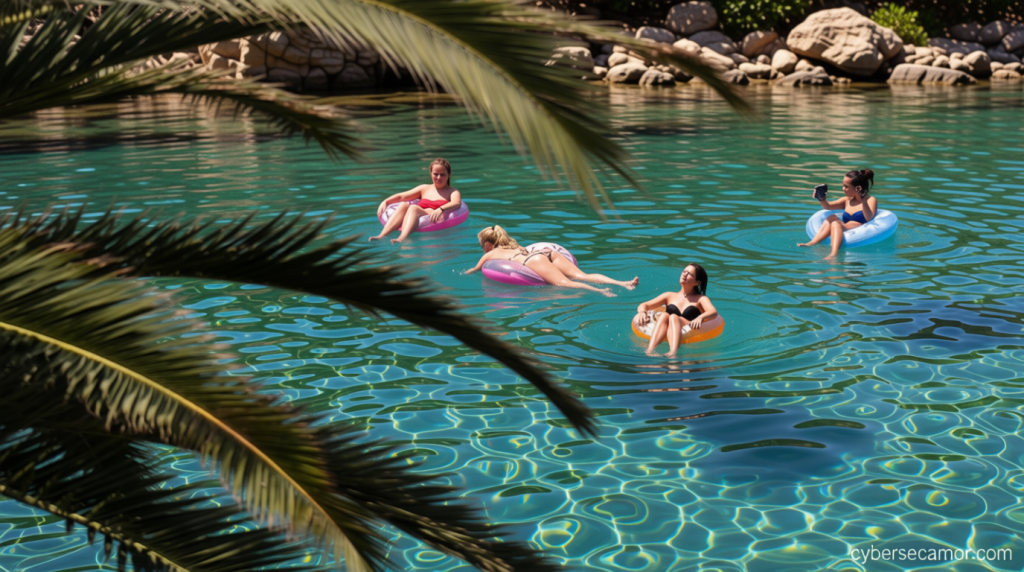
Staycations on the Rise for French Travellers This Summer Amid Geopolitical Crisis and Inflation
Shift in Holiday Planning Reflects Economic and Security Pressures
Staycations on the rise for French – As the summer of 2026 approaches, French holidaymakers are showing a clear trend toward domestic travel. With geopolitical tensions escalating, energy prices soaring, and inflation squeezing household budgets, fewer people are choosing to venture abroad. Instead, a growing number are opting for shorter trips within France, prioritizing proximity and affordability. This change underscores the broader impact of economic instability and global uncertainty on travel habits.
The data reveals a significant shift in vacation intentions. According to a March 2026 study commissioned by Alliance France Tourisme, 68% of French citizens plan to take at least a week off for leisure, a decrease of 9 percentage points from the previous year. While this figure remains substantial, it reflects a notable rise in hesitancy. Only 37% of respondents are confident they will travel, compared to 50% in 2025, indicating that concerns about security and financial constraints are shaping decisions more than before.
Dominique Marcel, President of Alliance France Tourisme, highlighted the dual pressures driving this change. “The current situation is beginning to affect holiday plans,” he noted, explaining that uncertainty surrounding international events and domestic economic conditions is leading to more cautious choices. For many, the idea of traveling abroad feels riskier, especially with the threat of fuel price hikes, currency fluctuations, and potential disruptions in transport networks.
Domestic Destinations Gain Favor as Uncertainty Grows
France’s domestic regions are becoming increasingly popular for summer vacations. The same study found that 71% of respondents intend to stay within the country, a 3-point increase from 2025. In contrast, only 23% plan to travel within Europe, and 9% are considering destinations outside the continent. This preference for local travel is driven by a combination of factors: easier access, familiarity with the environment, and the perception of greater safety.
Proximity plays a critical role in this shift. French travelers are no longer viewing their home country as a limiting factor but rather as a reliable option. With international travel becoming more complex, the simplicity of domestic options is appealing. “People are choosing destinations that are close by, easily reachable, and considered secure,” Marcel explained. This mindset is especially evident among those who have been affected by inflation, which has eroded purchasing power and made budgeting for holidays more challenging.
The economic climate is forcing households to rethink their spending. On average, the planned cost for summer vacations has dropped by €150 compared to 2025, with many allocating around €1,530 for their trips. To manage expenses, families are cutting back on several components of their holidays. Accommodation, catering, and on-site activities are being reduced more significantly than other costs, as travelers seek to minimize financial strain.
One notable adjustment is the growing trend of free accommodation. Nearly a third of respondents (31%) plan to stay with friends or family, up from 21% in 2025. This strategy not only saves money but also reduces the need for travel agencies or online booking platforms, which have become more expensive during the current economic downturn. “More than 50% of French people are expecting to spend less on various items, particularly on-site expenses,” Marcel emphasized, adding that this trend is even more pronounced when it comes to direct costs during trips.
Financial Trade-Offs and Social Inequalities Shape Access to Travel
While the overall trend points to a preference for affordability, the study also highlights disparities in travel access. Social inequalities are becoming more visible, with wealthier households more likely to plan vacations. According to Alliance France Tourisme, 84% of individuals in affluent circumstances intend to take a break, compared to just 58% of those in modest financial situations. This gap underscores how inflation and rising living costs are disproportionately affecting lower-income families.
The reduction in holiday budgets is not just a temporary adjustment but a reflection of long-term financial planning. Many households are prioritizing essential expenses, such as groceries and utilities, over discretionary spending. As a result, the choice of destinations is increasingly influenced by cost-effectiveness. “The combined effect of security concerns and tighter budgets is leading to a more localized approach to travel,” Marcel stated, noting that this shift is likely to persist as the economic landscape continues to evolve.
Despite these challenges, summer holidays remain a cherished tradition for many French families. The study suggests that the decline in travel plans is not indicative of a complete loss of interest in vacations but rather a recalibration of expectations. “There is no collapse in the French people’s attachment to holidays,” Marcel said. “However, the first signs of economic strain are becoming more pronounced.”
The increased reliance on domestic travel is also creating opportunities for local tourism sectors. With fewer visitors heading to international spots, French coastal towns, mountain resorts, and urban attractions are seeing a surge in demand. This trend may help support regional economies, as travelers are spending more within their own country. Yet, it also raises questions about how the tourism industry can adapt to these changing preferences.
For those who can afford it, the summer of 2026 offers a chance to enjoy leisure travel without significant financial risk. However, the data suggests that this is no longer a universal experience. The challenge lies in balancing the desire for relaxation with the need for economic prudence. As the world continues to navigate geopolitical crises and inflationary pressures, the French are proving adaptable, choosing to celebrate the season closer to home while keeping their expenses in check.
Ultimately, the rise of staycations signals a broader transformation in how people approach travel. What was once a convenience is now a necessity, driven by external uncertainties and internal budget constraints. The 2026 summer may mark a turning point where the French shift their focus from long-distance adventures to domestic experiences, ensuring that the joy of holidays remains accessible even in difficult times.

