
Neighbourhood Social Workers offer a ‘ray of light’ to poor and vulnerable in Cyprus
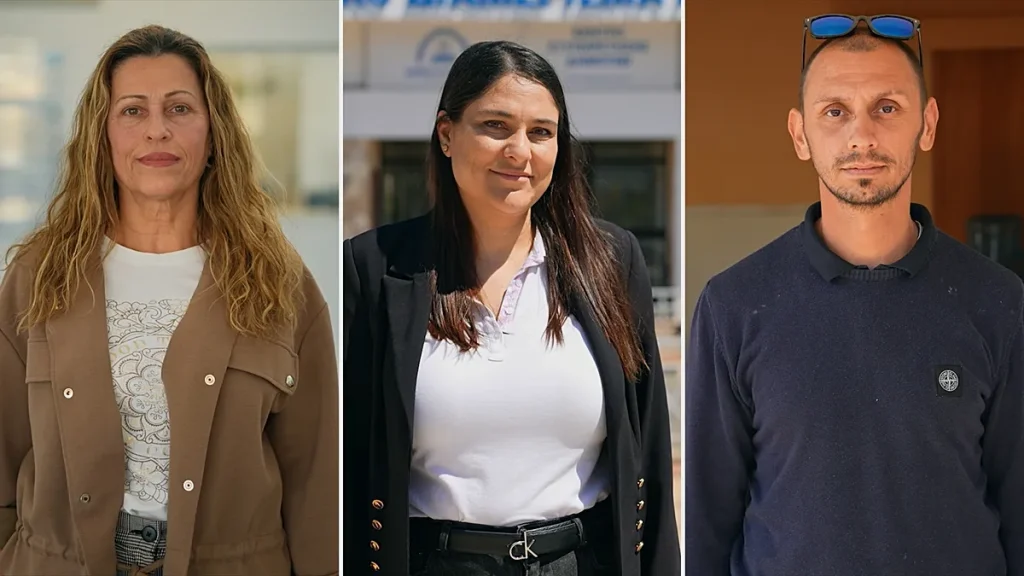
Neighbourhood Social Workers Offer a Beacon of Hope for Vulnerable Communities in Cyprus
Neighbourhood Social Workers offer a ray – As the European Union intensifies its efforts to combat poverty, initiatives like Cyprus’ Neighbourhood Social Worker programme are emerging as critical tools in fostering resilience among the most disadvantaged. This grassroots effort, which has already aided over 4,000 individuals, underscores the transformative power of localized social support. By bridging the gap between policy and personal need, these workers provide tailored assistance that goes beyond traditional welfare systems, creating a sense of stability for families grappling with financial insecurity.
A Personal Touch in a Time of Crisis
Marianna Andreeva, a single mother in her late 50s, recalls how the programme became a lifeline during one of her toughest moments. “It was like a ray of light in my life,” she says, reflecting on the support she received from Neighbourhood Social Worker Antri Nikolaou. Marianna, who had been struggling to care for her 20-year-old autistic son at home, found herself overwhelmed by the daily demands of managing his needs. Antri’s intervention, which included guidance with administrative tasks and ensuring access to essential care services, allowed Marianna to reclaim her independence. “I was able to re-start work, which gave me a renewed sense of purpose,” she adds.
“Whatever is missing, whatever we’re searching for together, Antri is right here with us,” says Emil Stefanov, a father of two young daughters who also benefited from the programme. His story highlights how the initiative extends beyond immediate relief, offering long-term solutions. By addressing his family’s basic needs—such as electricity and childcare—Antri provided Emil with the time and confidence to secure employment, demonstrating the programme’s ability to tackle both immediate and systemic challenges.
The programme’s effectiveness lies in its three guiding principles: prevention, personalisation, and proximity. Prevention focuses on identifying at-risk individuals early and intervening before crises escalate. Personalisation ensures that each case is approached with individualised care, rather than a one-size-fits-all model. Proximity, perhaps the most impactful, means that social workers are embedded within communities, making assistance more accessible and relatable. This approach not only streamlines support but also fosters trust between service providers and recipients.
Fostering Resilience Through Local Engagement
Located in an area where economic pressures often lead to social isolation, the programme has become a cornerstone of community resilience. Social workers like Antri Nikolaou are trained to act as both advocates and coordinators, connecting families with a wide range of resources. From navigating healthcare systems to securing housing or employment, their role is multifaceted. “The key is to understand the unique challenges each person faces,” explains Antri. “We don’t just offer solutions—we build partnerships with families to ensure they can sustain them.”
This model has proven particularly beneficial in Cyprus, where rising living costs and limited social safety nets have left many vulnerable. By prioritising proximity, the programme ensures that support is delivered where it’s needed most, often in the same neighbourhoods where families reside. This not only reduces the bureaucratic hurdles of accessing aid but also creates a sense of community ownership over the welfare system. “It’s about being present in people’s lives, not just providing services,” says Antri, who has seen firsthand how this philosophy transforms outcomes.
A Model for EU-Wide Impact
The initiative aligns closely with the EU’s broader Anti-Poverty Strategy, which aims to reduce the number of Europeans at risk of poverty or social exclusion by 15 million by 2030. This target, part of a long-term vision to eradicate poverty altogether by 2050, highlights the importance of innovative solutions at the local level. “The strategy’s emphasis on expanding access to social services is a game-changer,” says Professor Olivier De Schutter, a leading expert in poverty alleviation. “Programmes like this in Cyprus serve as a blueprint for other member states.”
De Schutter, who has studied the EU’s social policies extensively, notes that such grassroots efforts are essential for achieving measurable change. “When people feel supported by someone who understands their circumstances, it creates a ripple effect that extends beyond individual households,” he argues. This sentiment is echoed by those who have experienced the programme’s benefits, as their stories reveal a deeper impact on mental health, employment rates, and overall well-being.
For Marianna, the programme not only improved her quality of life but also restored her confidence as a caregiver. “Before Antri, I felt like I was drowning in responsibilities,” she says. “Now, I can manage my son’s needs while pursuing my own goals.” Similarly, Emil Stefanov credits the initiative with giving him the stability to focus on his career. “Antri helped me understand the resources available, and that made all the difference,” he says. These personal narratives underscore the programme’s ability to address both immediate hardships and long-term aspirations.
Scaling Success Across the EU
Cyprus’ programme is not an isolated effort. As the EU expands its Anti-Poverty Strategy, similar initiatives are gaining traction in other countries. The success of local social workers in Cyprus highlights the potential of community-based models to complement national policies. “This programme shows that targeted, human-centric support can lead to significant improvements,” De Schutter observes. “It’s a reminder that effective social welfare requires empathy, adaptability, and local knowledge.”
With the EU’s strategy set to guide member states through 2030, the role of such programmes is expected to grow. Cyprus’ experience demonstrates that by combining prevention, personalisation, and proximity, social workers can act as catalysts for change. Their ability to navigate complex systems and deliver timely assistance ensures that no one is left behind in the fight against poverty. As the programme continues to evolve, it offers a compelling example of how small, community-driven interventions can have large-scale benefits.
For families in Cyprus, the programme represents more than just a service—it’s a symbol of hope. By addressing both tangible needs and emotional support, it empowers individuals to reclaim control of their lives. “It’s not just about survival; it’s about dignity and possibility,” Antri Nikolaou says. This sentiment, shared by many who have benefited from the initiative, reflects a broader vision of social welfare that is inclusive, proactive, and deeply rooted in community values. As the EU looks to expand its anti-poverty efforts, the lessons from Cyprus may serve as a guiding light for other nations seeking to build more resilient societies.

