
Ryanair suspends the operation of its base in Thessaloniki in winter due to Fraport charges
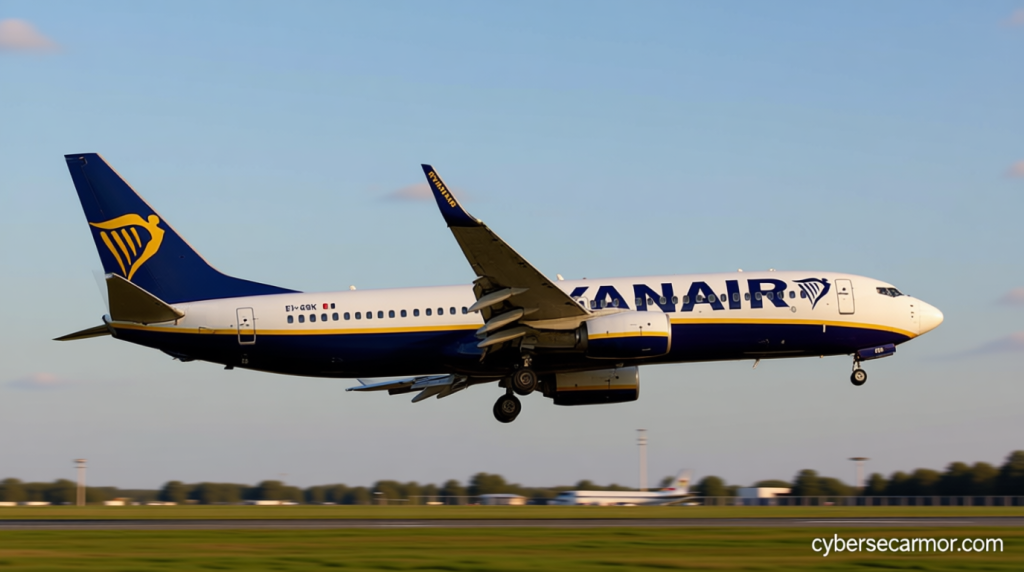
Ryanair Suspends Thessaloniki Base Operations in Winter Amid Fraport Fee Disputes
Ryanair suspends the operation of its base – Ryanair has confirmed it will halt flights from its Thessaloniki base during the winter months of 2026, removing three aircraft from service in the region. This decision follows a series of operational adjustments at Athens Airport, with the airline also scaling back its presence there. The announcement highlights a growing concern over the financial burden imposed by Greek airports, particularly the German-operated monopoly Fraport Greece and Athens Airport, which the company claims have created unsustainable conditions for low-cost carriers during the off-peak season.
High Costs Undermine Connectivity in Greek Airports
The airline stated that the “severe disruption in air connectivity during the low tourist season is directly linked to the unreasonably high fees charged by Fraport Greece and Athens Airport.” These charges, according to Ryanair, have made Greek airports less attractive to budget airlines, forcing them to reduce services. The impact is expected to be significant, with 700,000 passenger seats cut compared to the winter of 2025, representing a 45% decline. Additionally, 12 routes will be canceled, disrupting travel for thousands of passengers.
Despite a Greek government initiative to ease the financial strain on airlines, the Airport Development Fee (ADF) was reduced by 75% in November 2024, dropping from €12 to €3 per passenger. However, Ryanair argues that this reduction was not reflected in the fares offered to travelers. Instead, the airport operators absorbed the savings, leaving airlines to shoulder the costs. The company emphasized that these adjustments are critical for maintaining affordability and accessibility, especially in regions that rely heavily on low-cost air travel.
Fraport’s Monopoly and Rising Charges
Fraport Greece, which manages several key airports in Greece, has been accused of exploiting its market dominance by increasing fees. Ryanair noted that these charges have surged by over 66% since pre-pandemic levels, while Athens Airport is planning further hikes for the winter season. The airline contends that such increases are exacerbating the seasonal imbalance in Greece’s aviation sector, where demand drops significantly during the colder months.
This financial pressure has led Ryanair to reconsider its operational strategy, with plans to redirect some of its resources to more competitive destinations. Countries like Albania, regional Italy, and Sweden are being highlighted as alternatives where airports have effectively implemented the ADF cuts, resulting in lower fares and improved connectivity. By shifting operations to these regions, Ryanair aims to maintain service levels while ensuring cost efficiency for passengers.
Impact on Thessaloniki and Regional Tourism
Thessaloniki, a major regional hub, is set to lose a substantial portion of its international low-cost capacity. Ryanair had previously accounted for 90% of such flights during the winter of 2025, and its withdrawal will leave a significant gap. The airline warned that this move will negatively affect both local residents and visitors, as well as the broader tourism industry. Year-round connectivity, which is vital for sustaining economic activity in the region, is now at risk.
Jason McGuinness, Ryanair’s Chief Commercial Officer, reiterated the airline’s stance during a press conference. “The closure of our Thessaloniki base and reduced operations in Athens for winter 2026 will lead to a loss of 700,000 seats and 12 routes, impacting Greece’s ability to support continuous tourism throughout the year,” he said. McGuinness stressed that the decision was driven by the failure of airports to pass on the ADF reduction, which has been a key factor in the airline’s financial planning.
The CEO also pointed out that Fraport Greece’s monopoly has contributed to the problem, with charges rising by +66% since 2019. “This has created an environment where airlines must constantly adjust their schedules to remain viable, often at the expense of passenger numbers,” McGuinness added. He described the removal of three aircraft and the associated 500,000 seat cuts as a critical blow to Thessaloniki’s economy, which depends heavily on air travel to attract visitors.
Ryanair’s Development Plan for Greece
Despite the current setbacks, Ryanair remains committed to Greece’s long-term growth. The airline has proposed a five-year development plan to increase passenger traffic to 12 million annually. This initiative includes the addition of 10 new aircraft, a projected investment of more than $1 billion, and the creation of 50 new routes. McGuinness emphasized that the success of this plan hinges on the government’s ability to ensure that airport charges remain stable and that the ADF reduction is effectively communicated to travelers.
“Greece has the potential to become a year-round tourism destination if the current financial barriers are addressed,” McGuinness stated. He argued that the airline’s plan would not only expand connectivity but also generate more jobs and stimulate local economies. However, without a freeze on fees and a commitment to passing on the ADF cuts, the proposed growth could remain unattainable. The airline’s proposal serves as a call to action for Greek authorities to rethink their approach to airport pricing.
Airlines’ Calls for Structural Reform
The decision by Ryanair to cut its winter operations in Thessaloniki and Athens underscores a broader issue in Greece’s aviation sector. Airlines are increasingly demanding structural reforms to ensure fair pricing and competitive conditions. McGuinness highlighted that the current system allows airport operators to retain significant profits while passengers face higher costs. “This has created a cycle where the reduction in fees by the government is not translating into tangible benefits for travelers,” he explained.
Ryanair’s move is expected to be a catalyst for change, as it pressures Greek authorities to review the role of Fraport Greece in setting tariffs. The airline’s critique focuses on the monopoly’s ability to set prices without adequate oversight, which has led to a disproportionate share of costs being borne by low-cost carriers. McGuinness also mentioned that the ADF cuts were meant to support the aviation sector, but their implementation has been inconsistent, particularly at Thessaloniki Airport.
“If Greece can secure a freeze on airport charges and ensure the ADF reduction is passed on to passengers, it will unlock substantial growth,” McGuinness said. He emphasized that the airline’s proposal is not just about maintaining service but also about creating a sustainable model for the future. By relocating some operations, Ryanair hopes to maintain its presence in Greece while advocating for a more equitable system that benefits both airlines and travelers.
Broader Implications for European Air Travel
While the focus is on Greece, Ryanair’s actions reflect a growing trend among low-cost carriers across Europe. Many airlines have expressed frustration with airport operators who charge high fees without adequate justification, particularly during low-demand periods. This situation has prompted calls for regulatory intervention to prevent monopolistic practices that harm competition and passenger access.
McGuinness acknowledged that the winter season presents unique challenges, but he argued that the current pricing model is exacerbating these issues. “Greece’s seasonality is a chronic problem, but the refusal of airports to pass on savings has made it worse,” he said. The airline’s plan to expand operations in other countries highlights its strategic shift to offset losses in Greece while still contributing to regional growth. By reallocating resources, Ryanair aims to maintain its competitive edge and support tourism in areas with more favorable conditions.
As the winter season approaches, the impact of Ryanair’s decision will be closely monitored. The reduction in seats and routes could lead to a decline in tourist numbers, affecting local businesses and employment. However, the airline’s development plan offers a vision of how Greece could reverse this trend if structural changes are implemented. McGuinness’s comments serve as a reminder of the need for collaboration between airlines and airport authorities to create a more balanced and sustainable aviation ecosystem in the region.
“The removal of three aircraft and 500,000 seats from Thessaloniki will be devastating for the city and its residents, as we were the primary provider of low-cost international flights during the winter months. Without these services, the region will struggle to maintain its appeal to both domestic and international visitors,” McGuinness said.
In conclusion, Ryanair’s decision to suspend operations in Thessaloniki and limit activities at Athens Airport highlights the challenges faced by low-cost carriers in Greece. The airline’s critique of Fraport Greece’s pricing strategy has drawn attention to the need for regulatory reforms. By reallocating resources to more competitive destinations, Ryanair hopes to mitigate the impact of these changes while continuing to invest in Greece’s future. The outcome of this situation will depend on whether Greek authorities can address the financial pressures on airlines and ensure that the ADF reduction benefits travelers directly.

