
Ferry link between Cyprus and Lebanon will start operating from 9 June
Ferry Link Between Cyprus and Lebanon Will Start Operating from 9 June
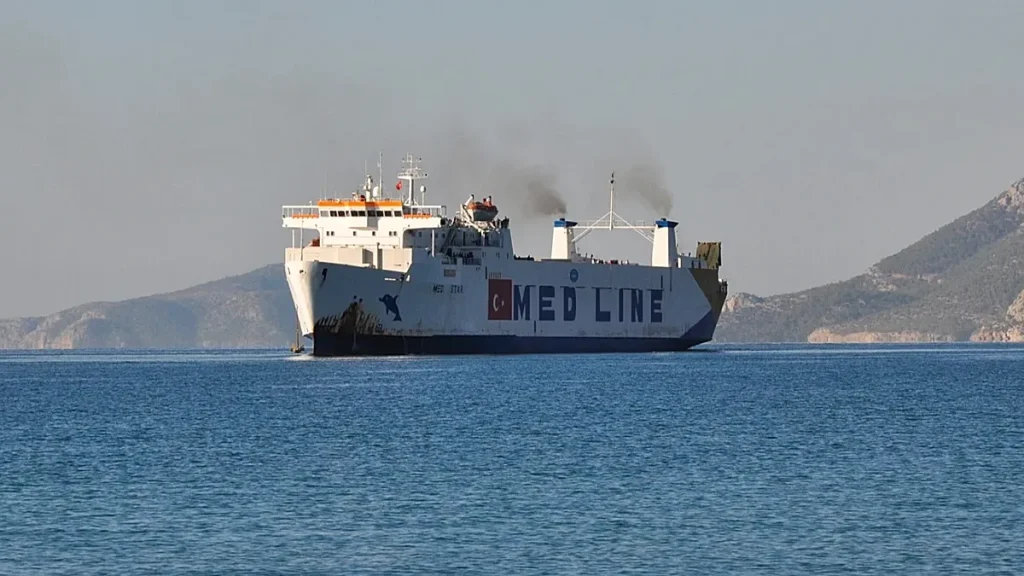
Ferry link between Cyprus and Lebanon – Lebanon is set to revive a long-dormant ferry service, with its inaugural route scheduled for 9 June 2026. This marks the country’s first planned maritime connection in decades, linking Cyprus with Lebanon and extending its reach to Syria and Turkey. The new service, operated by Lebanese shipping firm Abou Merhi Agency via Cedar Waves, will connect the port of Jounieh to Larnaca, Cyprus, completing the journey in under four hours—a marked improvement over previous projections.
Operational Details and Route Expansion
The Cedar Waves vessel will be the first to offer regular international passenger services from Lebanon since the early 2000s, positioning it as a transformative addition to regional transport. The core route between Jounieh and Larnaca will take approximately 3 hours and 59 minutes, providing a reliable alternative to air travel. Departures from Beirut will occur every Wednesday, Sunday, and Friday, with specific times set for 9 am and 10 am, ensuring passengers arrive in Larnaca just before 1 pm local time.
Looking beyond Cyprus, the expanded network will also serve Latakia in Syria and Mersin in Turkey, establishing a broader maritime hub for the Eastern Mediterranean. This connectivity aims to streamline travel between the three countries, reducing reliance on air routes and offering a more flexible option for cargo and passenger transport.
Ticket Prices and Cost Efficiency
Prices for the Cyprus route have been adjusted downward from initial forecasts, making the service more accessible. For instance, one-way fares to Turkey range from €153 to €255, while trips to Syria are estimated at €125 to €139, depending on the departure date. Cyprus-bound tickets, which were initially priced between €230 and €320, now appear significantly more affordable, potentially challenging air travel’s dominance in the summer months.
Flights between Beirut and Larnaca typically cost between €160 and €235 during high-demand periods, meaning the ferry service could offer a cost-effective option for budget-conscious travelers. While the journey duration is roughly four hours compared to a 30-minute flight, the ferry’s lower fares and ability to accommodate more luggage could attract a diverse range of passengers.
Benefits and Travel Experience
The new ferry route is anticipated to provide a unique travel experience, combining affordability with scenic views of the Mediterranean Sea. Travelers can enjoy the opportunity to relax during the crossing, taking in the coastal landscapes and possibly stopping at other ports en route. This appeal is expected to grow as summer approaches, with the service offering a fresh way to explore the region without the stress of crowded airports.
For businesses, the route represents a potential shortcut for transporting goods and people across the Eastern Mediterranean. The ability to carry larger cargo loads and allow for more luggage options could make the ferry a practical choice for both leisure and commercial purposes. This development may also encourage more cross-border collaboration, fostering economic ties between Lebanon and its neighboring countries.
Impact on Tourism and Regional Connectivity
The launch of the ferry service is poised to bolster tourism in Cyprus and Lebanon, offering visitors a novel way to experience the region. With Lebanon’s ports often underutilized due to political and economic challenges, this connection could help revitalize maritime trade and attract more tourists to the area. The service’s affordability and ease of access might also draw travelers who prefer scenic routes over the hustle of air travel.
Moreover, the ferry is expected to strengthen ties between Lebanon and Cyprus, particularly as the summer season approaches. The port of Jounieh, historically a key hub, is now set to regain prominence as a gateway to the Mediterranean. By linking with Larnaca, the service not only bridges the gap between two countries but also positions Lebanon as a strategic node in regional transportation networks.
Broader Regional Implications
The inclusion of Syria and Turkey in the network underscores the potential for the ferry to serve as a vital link in the region’s logistics chain. This connectivity may reduce travel time and costs for goods moving between the three nations, supporting trade and cultural exchanges. For Lebanon, the initiative is a step toward diversifying its transport options and reducing dependency on air corridors, which have often been strained by demand.
As the Eastern Mediterranean continues to develop, the new ferry route could become a cornerstone of regional mobility. Its success will depend on factors such as passenger demand, operational reliability, and the broader economic climate. However, with the initial launch date confirmed and prices adjusted to be more competitive, the service is well-positioned to make an impact in the coming months.
Looking Ahead
Analysts suggest that the ferry’s launch could stimulate a surge in summer tourism, particularly for those seeking budget-friendly travel. The service’s ability to offer a more leisurely pace, combined with its economic advantages, may appeal to a wide audience. Additionally, the potential for expanding the route to other destinations could further enhance Lebanon’s role as a regional transportation hub.
For now, the focus remains on the Jounieh-Larnaca route, with plans to gradually integrate more destinations. This gradual approach allows for testing and refinement, ensuring the service meets the needs of its target audience. The successful implementation of the ferry could pave the way for future maritime projects, solidifying Lebanon’s presence in the global transport network.
In summary, the ferry service between Lebanon and Cyprus is more than just a new travel option—it’s a catalyst for regional economic and cultural growth. By offering faster, cheaper, and more scenic travel, it aims to redefine how people and goods move across the Eastern Mediterranean. As the first major maritime link in decades, the route symbolizes renewed hope for connectivity in a region that has long relied on air travel. The official start on 9 June 2026 marks the beginning of a new era for Lebanese and Cypriot travelers alike, promising opportunities for exploration, trade, and collaboration.

