
Direct Prague to Copenhagen train returns after more than a decade
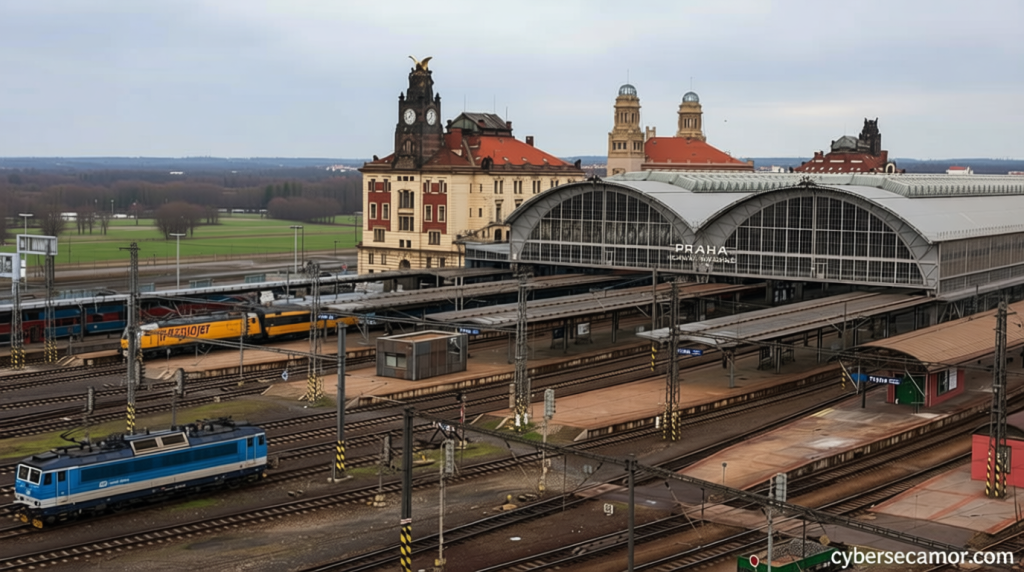
Direct Prague to Copenhagen Train Returns After More Than a Decade
Direct Prague to Copenhagen train returns – European train travel is experiencing a revitalization as a long-awaited route between Prague and Copenhagen officially reopens on 1 May 2026. This new service connects three nations—Czech Republic, Germany, and Denmark—in a seamless journey, marking a significant milestone for cross-border rail connectivity. The reintroduction of the direct link, which had been absent for over a decade, has been celebrated as a game-changer for both leisure and professional travelers.
A Collaboration Across Borders
The route is a joint venture between Czech Railways (ČD), Deutsche Bahn (DB), and Denmark’s Danske Statsbaner (DSB). The collaboration enabled the launch of two daily return services from Prague’s Hlavní Nádraží station to Hamburg, Germany, with one of the trains continuing its journey to Copenhagen. This partnership underscores the growing importance of integrated rail networks in fostering mobility across Europe.
As part of the service, the trains will halt in Dresden and Berlin, offering passengers a chance to explore key German cities along the way. These stops make the route particularly appealing to tourists and business travelers who may wish to combine their trips with regional excursions. The new service is designed to cater to diverse needs, ensuring accessibility and convenience for a wide range of passengers.
Scheduled Departures and Seasonal Adjustments
Trains on this route operate year-round, with departures at 6:30 am and 10:30 am. During the summer months, an extra 4:30 pm service is introduced, providing greater flexibility for travelers. This adjustment is expected to boost demand, especially among those seeking to maximize their time in the region.
The service’s launch is attributed to the completion of extensive upgrades on the Berlin-Hamburg rail line. These improvements, which included modernizing infrastructure and enhancing signaling systems, have allowed for faster travel times and more reliable connections. The collaboration between the three rail operators has been crucial in ensuring the route’s viability and success.
Speed and Efficiency on the Tracks
Despite the considerable distance between the two cities, the journey from Prague to Hamburg takes just six hours and 41 minutes. The trip to Copenhagen, while longer, is completed in under 13 hours, thanks to high-speed trains capable of reaching up to 230 km/h. This efficiency has been made possible by the modernization of the rail network, reducing delays and improving overall performance.
The new route is also a showcase of advanced train technology. ČD’s recently introduced ComfortJet models feature amenities such as an onboard restaurant, Wi-Fi connectivity, bicycle storage, and a children’s cinema. These services are complemented by wheelchair lifts and radio-transparent windows, which enhance passenger comfort and ensure better mobile reception during the journey.
Part of a Bigger Vision for European Connectivity
The Prague-Copenhagen route is one of the first ten pilot projects under the European Commission’s initiative to expand cross-border train networks. This program aims to reduce reliance on air travel, lower carbon emissions, and improve international mobility by addressing challenges like outdated infrastructure and market barriers. By promoting such routes, the Commission hopes to create a more sustainable and interconnected Europe.
When the route was announced last year, DB’s board member for long-distance passenger transport highlighted its potential. “Rail is bringing Europe closer and closer together,” stated Michael Peterson. “Journey times of over four hours are popular with our passengers in international long-distance transport, and we are offering additional attractive services to meet the growing demand.” This sentiment reflects the broader goal of making high-speed rail a competitive alternative to flights.
Apostolos Tzitzikostas, the EU’s commissioner for sustainable transport and tourism, also expressed enthusiasm for the new link. “This route serves as a strong example of progress toward a more connected and greener Europe,” he remarked. The success of the Prague-Copenhagen connection could inspire similar initiatives across the continent, paving the way for more efficient and eco-friendly travel options.
The service’s launch coincides with other recent developments in European rail travel. Just months prior, Deutsche Bahn and France’s SNCF had introduced a Berlin-to-Paris route, further demonstrating the continent’s commitment to improving long-distance transportation. This December, another notable itinerary—Munich to Milan and Rome—will follow, expanding the network of international rail routes.
Accessibility and Passenger Experience
ComfortJet trains have been specifically designed to enhance accessibility for all travelers. Their spacious interiors and modern amenities make them suitable for both short and long trips, while features like wheelchair lifts ensure inclusivity. The inclusion of radio-transparent windows has also been a welcome innovation, allowing passengers to stay connected without compromising their view of the landscape.
For those interested in booking, tickets for the Prague-Hamburg-Copenhagen route are available through multiple channels. Travelers can access them via the international ticket offices of ČD, DB, and DSB, or through the companies’ online e-shops and the Můj vlak mobile application. This accessibility ensures that the new service is readily available to a broad audience, further solidifying its role as a key transportation option.
As the demand for sustainable travel options grows, the Prague-Copenhagen route stands out as a model for future cross-border rail projects. It not only reduces travel time but also offers a more environmentally friendly alternative to flights, aligning with the European Commission’s vision for greener transportation. With its combination of speed, comfort, and convenience, the route is set to redefine how people move between Central and Northern Europe.
Looking Ahead
While the Prague-Copenhagen service is a major step forward, it is part of a larger movement toward expanding high-speed rail networks across the continent. The European Commission’s focus on reducing congestion and emissions in transport has led to increased investment in rail infrastructure. As more routes like this emerge, the potential for a unified, efficient, and eco-conscious transportation system becomes more tangible.
For now, the Prague to Copenhagen service offers a compelling option for those seeking to travel between these iconic cities. With its reliable schedule, modern amenities, and strategic positioning within the European rail network, it is poised to become a preferred choice for travelers. As the world continues to prioritize sustainability, this route exemplifies how innovative infrastructure and collaboration can bridge geographical divides and create a more connected Europe.

