A traveler hid a smoke grenade in peanut butter. TSA found it

A Traveler Hid a Smoke Grenade in Peanut Butter. TSA Uncovered It
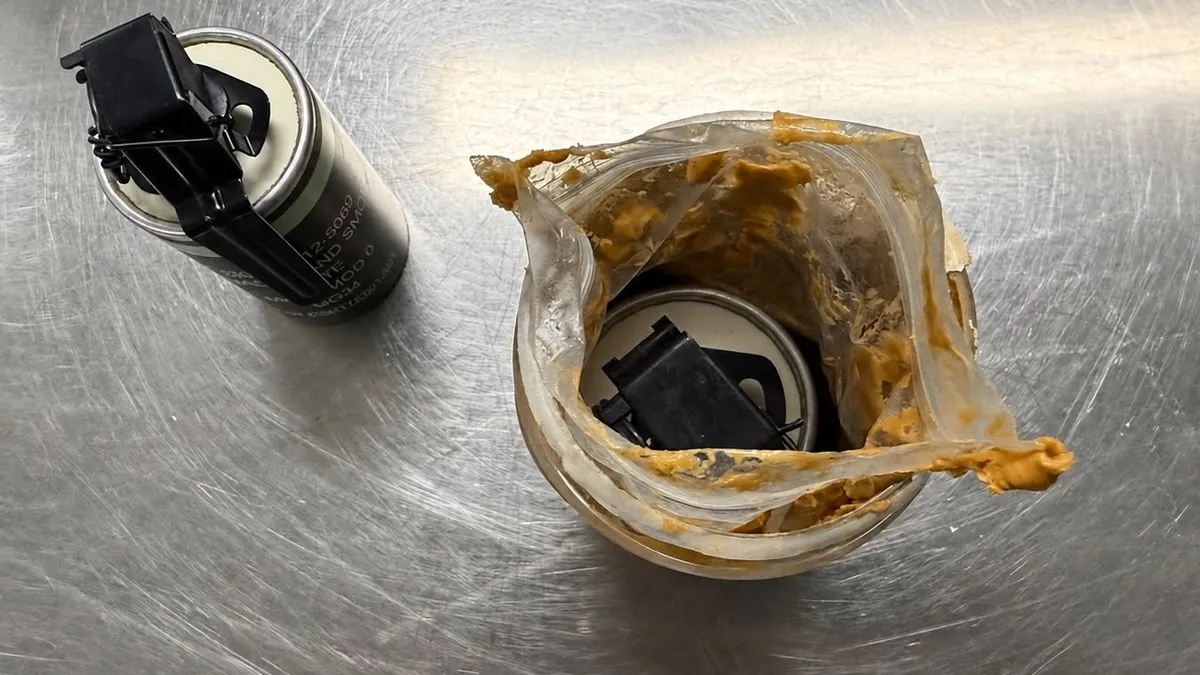
Cybersecarmor.com – At Indianapolis International Airport, a surprising discovery made headlines when a passenger was caught hiding live smoke grenades in a jar of peanut butter. The Transportation Security Administration (TSA) confirmed the incident, highlighting how even everyday items like food can be repurposed for unconventional security challenges.
Unexpected Discovery in Checked Luggage
During a routine security screening earlier this month, baggage officers using the airport’s X-ray scanner noticed something unusual in a passenger’s checked luggage. The system flagged the bag for a deeper inspection, prompting supervisors to intervene. According to a June 25 news release, the two smoke grenades were found after a thorough check. One of them was “safely embedded within a full jar of peanut butter,” the report stated.
“After all contents were removed from the bag, I thought, ‘Weren’t there two grenades in this bag?’” said Michael Dunphy, an 18-year TSA explosives specialist. Dunphy previously served over 20 years in the U.S. Navy as an explosive ordnance disposal technician, bringing his expertise to the airport’s security operations.
Dunphy noted that the initial inspection revealed the first grenade, but it wasn’t until further scrutiny that the second one was discovered. “After additional inspection of all the contents in the bag, it became obvious the second grenade was in the peanut butter jar, so I was surprised!” he added, emphasizing the unexpected nature of the find.
Concealment Techniques and TSA Response
While it’s not uncommon for checked baggage technology to raise alarms over “unusual items” rather than actual threats, this case demonstrated how creative concealment methods can test security protocols. Officials called the traveler to the airline ticket counter, where the passenger explained the strategy. “A friend told him he could get the smoke grenades through TSA by placing them in a jar of peanut butter,” the release detailed.
The passenger’s method of hiding the devices under the guise of harmless food raised concerns. “With the concealment method used, we had concern about the intentions,” explained Aaron Batt, the Indiana TSA Federal Security Director. “As a result, we quickly incorporated the airport police and airline station manager to ensure we approached the traveler in a cautious and safe manner.” Batt’s statement underscores the TSA’s emphasis on thoroughness and safety when dealing with potential threats.
The airport’s security team relied on the technology in place for checked baggage to identify the targeted area. “The technology performed well and gave our officers a chance to review an image that resulted in the need for physical inspection,” Batt said. This process allowed the team to confirm the presence of the grenades without causing unnecessary delays or panic.
Impact on Airport Operations
Indianapolis Airport Authority Police were also called to the scene to assist with the situation. However, the incident did not disrupt the airport’s normal operations. “The passenger’s actions didn’t affect the flow of traffic or the safety of other travelers,” the release noted. This outcome highlights the effectiveness of the TSA’s protocols in handling such scenarios efficiently.
While the passenger’s identity was not disclosed, the TSA hinted at the potential consequences of such an act. “Attempting to conceal a prohibited item will result in severe consequences,” Batt stated. This warning serves as a reminder that even well-intentioned methods can be flagged as security risks.
“Although you may not have intentions for something to occur, carrying prohibited items always has the potential for unintentionally causing harm,” Batt added. He illustrated the gravity of the situation by imagining a scenario where the grenade’s pressurization could have triggered an accidental release of smoke during flight. “Imagine in this case had the pressurization caused the device to accidentally release smoke filling the cabin and aircraft while in flight,” he said, emphasizing the cascading effects of such an oversight.
The discovery of the smoke grenades raises questions about how easily prohibited items can be disguised. While peanut butter is a common and non-threatening item, its use as a container for explosive devices highlights the ingenuity of some travelers. This case also serves as a practical example of how X-ray technology and human expertise work in tandem to detect anomalies.
For the TSA, this incident is a reminder of the importance of vigilance. “The technology in place for checked baggage performed well,” Batt reiterated, “but it’s the combination of equipment and trained personnel that ensures no threat goes unnoticed.” The agency’s ability to adapt to creative concealment methods is a key component of its security strategy.
Broader Implications for Travelers
While this specific case may be unique, it aligns with TSA’s broader mission of identifying potential hazards. The agency frequently warns travelers about items that can be mistaken for innocuous objects but pose significant risks. “It’s not uncommon for the checked baggage technology alarms to be set off by unusual items versus an actual threat,” Dunphy noted, adding that the process of inspecting such cases can uncover unexpected dangers.
Travelers are often surprised by the variety of items banned or restricted at airports. From everyday objects like food to more exotic items, the list of prohibited items continues to evolve. This incident reinforces the need for awareness among passengers about how security systems can flag items for further scrutiny. “Even something as ordinary as peanut butter can become a clever tool for hiding threats,” Dunphy said, reflecting on the importance of understanding such tactics.
In the end, the passenger’s attempt to bypass security was successful in hiding the grenades, but not for long. The TSA’s prompt action ensured that the threat was neutralized before it could cause any harm. This case also serves as a cautionary tale for others who might consider similar methods. “The technology in place for checked baggage performed well,” Batt said, “and it’s that technology that allows us to detect and respond to such incidents effectively.”
As the TSA continues to refine its procedures, incidents like this one demonstrate the ever-changing landscape of airport security. The combination of advanced equipment and experienced officers ensures that even the most inventive concealment techniques are unlikely to go unnoticed. “We take every opportunity to learn from these incidents,” Batt concluded, “and use them to improve our safety protocols for all travelers.”