Iran team officials denied visas to enter U.S. for World Cup

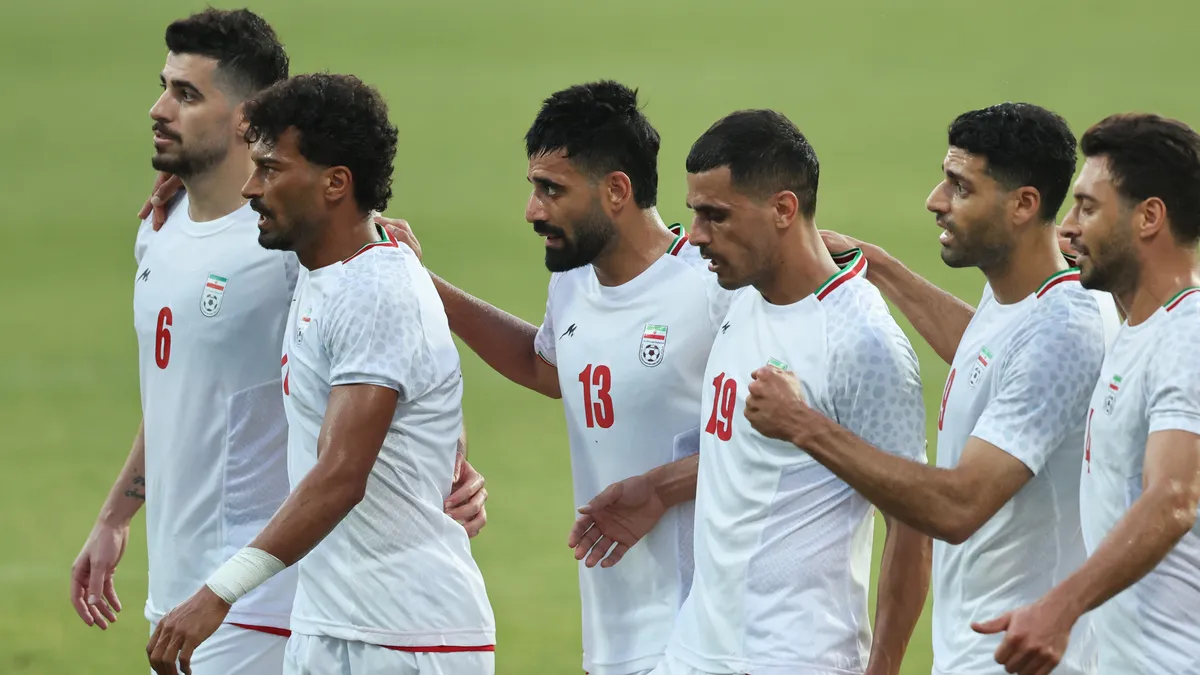
Iran Soccer Team’s Visa Situation Stalls Amid Political Tensions
Cybersecarmor.com – In the wake of mounting diplomatic friction, Iran’s national soccer team has faced a logistical hurdle as several of its key officials encountered visa rejections for entry into the United States. While the players have been approved for U.S. visas, the denial of access to certain staff members has sparked controversy, raising questions about the impact on the team’s preparation for the 2026 World Cup.
Armed Conflict Sparks Uncertainty
The U.S. and Israel’s recent military actions against Iran have cast a shadow over the nation’s participation in international sporting events. Since the escalation of hostilities in late February, Iran’s standing in global tournaments has been questioned, with concerns about its ability to operate smoothly in foreign countries. This backdrop of geopolitical tension has complicated the visa process for Iranian sports representatives.
Base Camp Relocation as a Strategic Move
At the eleventh hour, Iran announced a significant shift in its World Cup strategy, relocating its primary training base from Tucson, Arizona, to Tijuana, Mexico. This decision came just weeks before the team’s departure for the tournament, reflecting efforts to navigate the visa challenges while maintaining readiness. The move underscores the importance of flexibility in the face of bureaucratic obstacles.
Team Melli, Iran’s national squad, has been conducting its pre-tournament training in Turkey, a location chosen for its proximity to the team’s infrastructure and the stability of its operations. The transition to Mexico was made possible by the fact that Iranian players have already secured entry permits for the United States, allowing them to compete in the country’s venues without delay. However, the managerial and support staff, who are essential to the team’s success, have faced a different fate.
Visa Denials Target Key Personnel
According to the Iranian embassy, a substantial number of team officials, including coaches, administrators, and technical advisors, were denied U.S. visas. The denial was attributed to the U.S. government’s perception of these individuals as part of a broader network linked to Iran’s security apparatus. “Visas were denied to a large portion of the managerial and executive staff, technical advisers, and others who are an integral part of any national football team,” stated the embassy in a direct statement.
Among those affected is Mehdi Taj, the head of the Iranian soccer federation. Taj, a former official in the Islamic Revolutionary Guard Corps (IRGC), has drawn particular attention due to his association with the organization designated as a terrorist group by the U.S. The New York Times highlighted his name among the denied visas, suggesting that his role in the IRGC has influenced the visa decisions. This has raised concerns within Iran about the extent of the U.S. scrutiny on its sports delegation.
Accusations of Discriminatory Practices
The Iranian embassy has accused the U.S. of employing “deliberate and discriminatory treatment” against its national football team. This comes as a response to Tom Barrack, the U.S. ambassador to Turkey, who reportedly highlighted the visa issue. The accusation implies that the U.S. is using the visa process to target individuals connected to Iran’s military or intelligence agencies, rather than focusing solely on their role in sports.
The team’s ability to function without its core support staff has been a point of contention. While players have been cleared to enter the U.S., the absence of key personnel may affect the team’s strategy and morale during the tournament. The Iranian soccer federation, which has yet to issue a formal response, is being sought for additional comments to clarify the situation.
U.S. Officials Stress Security Concerns
A U.S. administration official, speaking to USA TODAY Sports, emphasized the security rationale behind the visa denials. “The visas necessary for Iran to compete in the World Cup, including for athletes and essential support staff, have been issued,” the official said. “We will not allow the Iranian team to abuse this system to sneak terrorists into the United States under false pretenses.”
This statement highlights the U.S. government’s focus on preventing the entry of individuals deemed as potential security threats. The denial of visas for team officials has thus been framed as a necessary measure to safeguard national interests, even as it creates challenges for Iran’s participation in the tournament.
Group Stage Fixtures Set Amid Uncertainty
Despite the visa complications, Iran’s World Cup schedule remains intact. The team is scheduled to play its first Group G match on June 15 against New Zealand in Los Angeles, followed by games against Belgium and Egypt in Seattle. These matches are critical for Iran’s campaign, as they aim to secure a place in the knockout rounds.
The team’s pre-tournament camp in Turkey has allowed for focused training, but the last-minute shift to Mexico has added logistical layers to their preparations. The U.S. entry for the players ensures that Iran can participate in its three group-stage games, but the absence of certain officials may require last-minute adjustments to their operations.
The situation has sparked discussions about the intersection of sports and politics in international competitions. As the 2026 World Cup approaches, the visa issue serves as a reminder of how geopolitical tensions can influence even the most neutral aspects of athletic participation. Iran’s ability to adapt to these challenges will be key to its success on the field.
While the denial of visas for officials has created a diplomatic rift, the U.S. has not barred the entire team from competing. The players’ clearance for entry into the United States demonstrates a pragmatic approach to ensuring the tournament proceeds without disruption. However, the broader implications of this decision may linger, as it reinforces the U.S.’s stance on restricting individuals linked to Iran’s security forces.
As the world watches the 2026 World Cup unfold, the story of Iran’s team serves as a case study in the delicate balance between international cooperation and political rivalry. Whether this visa issue will impact the team’s performance or simply be a procedural obstacle remains to be seen. One thing is certain: the journey to the tournament has been marked by both determination and diplomatic tension.