US launches new airstrikes on Iran after 2 U.S. soldiers killed

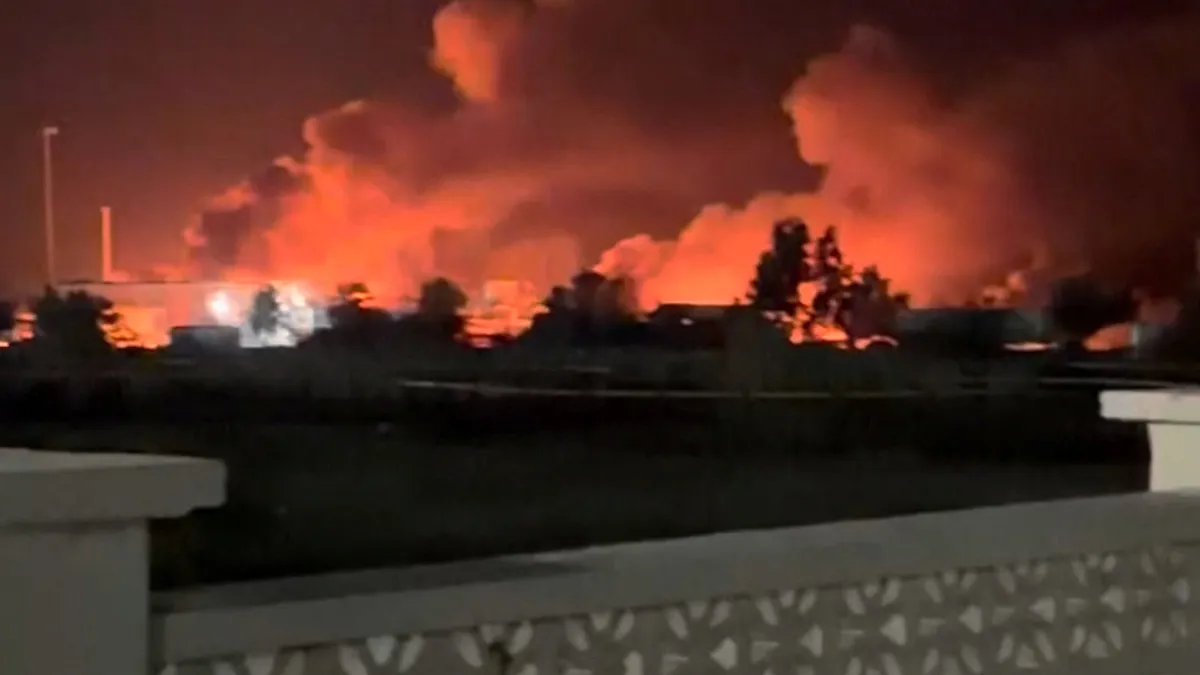
America Intensifies Military Response Following Casualties in Jordan
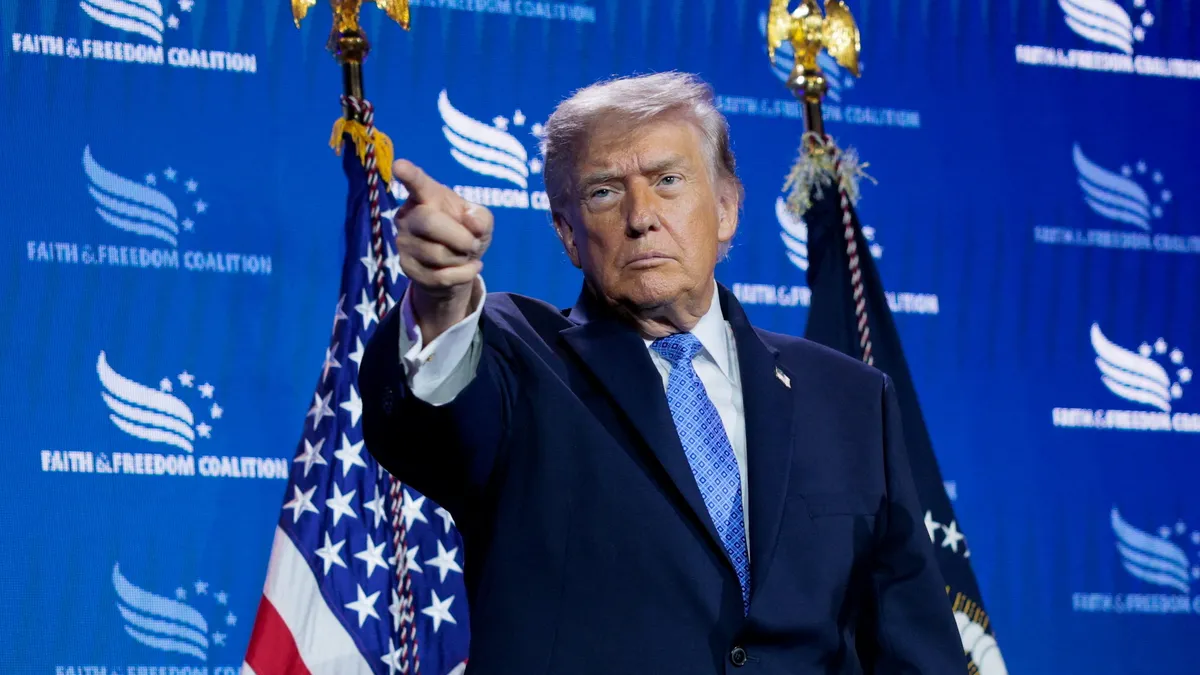
Cybersecarmor.com – President Donald Trump has publicly supported the broadened military operations, asserting that American strikes will persist until Tehran accepts terms designed to guarantee regional stability and unrestricted maritime passage. Iranian leadership has committed to maintaining resistance against American military pressure, indicating that tensions are expected to remain elevated in the coming weeks and months.
The most recent wave of American aerial bombardments against Iranian targets occurred on July 18, marking an escalation in an already expanding military campaign throughout the Middle East. This intensified response followed the tragic deaths of two American service members during an attack in Jordan the previous evening.
Central Command Announces Coordinated Strikes
Through a statement published on the social media platform X on July 18, U.S. Central Command confirmed that American forces initiated operations at 6 p.m. Eastern Time, acting under direct orders from the Commander in Chief. The military emphasized that this campaign aims to diminish Iran’s capacity to endanger commercial shipping lanes through the strategically vital Strait of Hormuz while delivering swift retribution against Islamic Revolutionary Guard Corps units responsible for attacking American personnel in Jordan.
The Strait of Hormuz represents one of the world’s most critical maritime chokepoints, with approximately twenty percent of global oil supplies flowing through these waters daily. Any disruption to shipping in this region carries significant economic implications for international markets and energy security worldwide.
Casualties and Medical Evacuations
Earlier on Saturday, CENTCOM reported that Iranian ballistic missiles and unmanned aerial vehicles struck American and allied forces stationed in Jordan on July 17. The assault resulted in the deaths of two American service members, with one additional soldier reported missing following the attack.
The military confirmed that four more American service members received medical evacuation to hospitals in Jordan but have subsequently been discharged. Several others treated for minor injuries have already returned to their duties, demonstrating the resilience of American forces in the region.
CENTCOM announced it would maintain the confidentiality of the deceased and missing service members’ identities for at least twenty-four hours following notification of their families, allowing relatives time to process the devastating news privately.
Regional Escalation and Retaliation
Before the latest strikes commenced, Iran’s supreme leader issued a warning through Reuters on July 18, stating that Washington would face consequences for attempting to widen the conflict. This diplomatic message preceded the American military response, highlighting the tense atmosphere surrounding the escalating situation.
Pentagon Secretary Pete Hegseth expressed solidarity with the fallen soldiers through a post on X on July 18, writing:
Godspeed, heroes. Their sacrifice only stiffens our resolve.
Simultaneously with the American strikes, Iran launched additional attacks against regional allies. The Islamic Revolutionary Guard Corps targeted Kuwait with ballistic missiles and drones, hitting military-related facilities and critical infrastructure. Kuwaiti authorities reported that air defense systems intercepted multiple incoming threats, though some attacks caused damage to facilities and injured firefighters and oil sector workers responding to the incidents.
The IRGC claimed responsibility for targeting what it described as American military support sites in Kuwait, framing the attacks as retaliation for ongoing U.S. operations. The Iranian military warned that further strikes against American allies in the region could follow if conditions do not improve.
Strategic Objectives and Future Outlook
Admiral Brad Cooper, commander of CENTCOM, previously explained that the military campaign serves dual purposes: protecting civilian sailors from harm and holding Iran accountable for attacks that have killed, injured, and left crew members missing. Previous strikes have concentrated on degrading Iranian military capabilities while ensuring the safety of commercial vessels operating in the region.
The latest operations represent a continuation of this broader strategy, with American officials maintaining that Iranian military assets pose ongoing threats to commercial shipping interests. As both sides demonstrate determination, the conflict appears poised to continue without immediate resolution.
Reporter Anthony Thompson can be reached at ajthompson@usatodayco.com, or on X @athompsonUSAT