Trump dismisses criticism of USS Lincoln, says deployment ‘not long enough’

Daftar Isi
Trump Defends Carrier Deployment Amid Growing Concerns Over Sailor Welfare
Cybersecarmor.com – President Donald Trump pushed back against mounting criticism regarding the conditions aboard the USS Abraham Lincoln, asserting that the carrier’s extended presence in the Middle East has not exceeded reasonable limits. The president’s comments came as reports emerged about deteriorating morale and multiple suicide attempts among the 5,000 sailors and Marines stationed on the vessel.
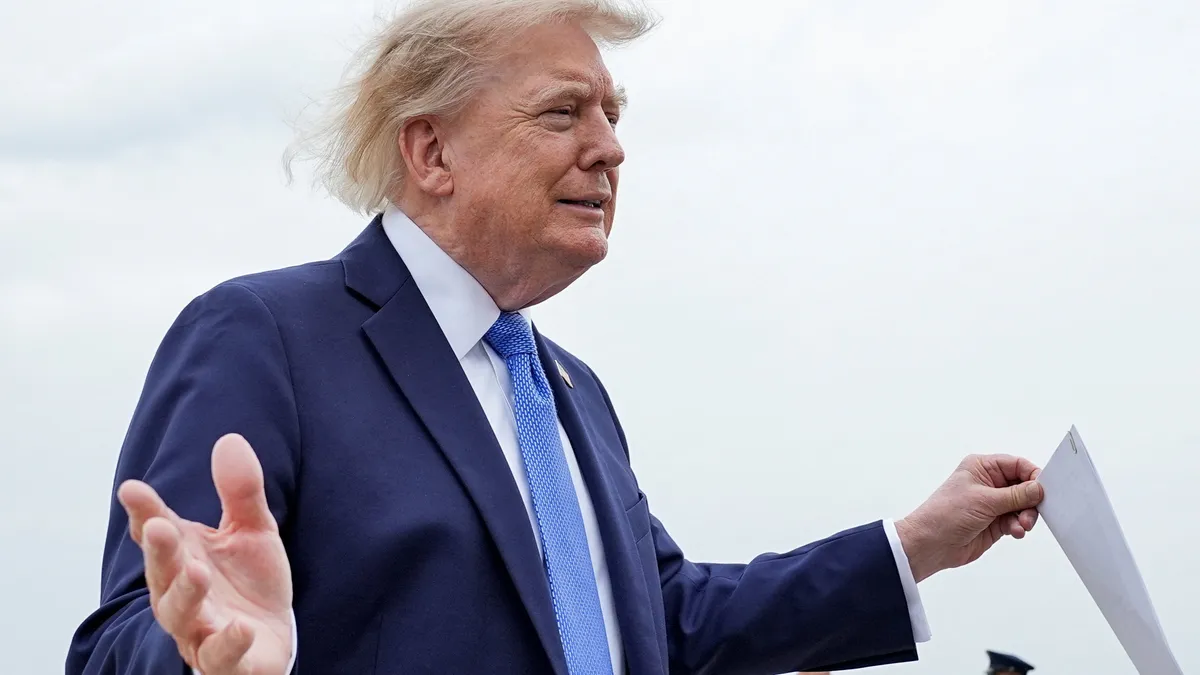
Speaking to reporters on August 14, Trump addressed concerns raised by family members of crew members. When asked whether families were worried about conditions on the ship, the president responded firmly. “Well, no, that ship is moving. No, they’re not,” he stated, indicating that the carrier was already in the process of being replaced in the region.
Extended Deployment Raises Questions
The Abraham Lincoln has maintained its position in the Middle East since November 2025, significantly longer than initially projected. Originally, officials anticipated the deployment would conclude in May of this year. However, with the ongoing conflict in Iran showing no signs of resolution, no return date has been established for the carrier group.
The ship has provided critical support to American military operations in the region for approximately eight months. This extended period at sea has contributed to what military-focused publications have described as declining morale and increasing exhaustion among the crew.
“No, not nearly long enough,” Trump said when asked whether the deployment had gone on too long amid the war in Iran.
Reports of Deteriorating Conditions
Two prominent military publications, the Navy Times and Stars and Stripes, published reports this week detailing the challenges facing the Lincoln’s crew. The articles highlighted suicide attempts aboard the vessel, widespread fatigue among sailors, and a noticeable drop in morale levels.
Senator Richard Blumental of Connecticut took action on August 12 by writing directly to Defense Secretary Pete Hegseth. In his correspondence, Blumental outlined numerous problems affecting the ship’s operations and crew wellbeing.
The senator cited “widespread reports of shortages of basic supplies, water contamination, plumbing issues, deteriorating mental health, deck safety concerns, and disruptions in the mail system, which have caused many care packages in route to the ship to be lost in transit for months.”
As a member of the Senate Armed Services Committee, Blumental emphasized that these findings “warrant immediate attention.” He further questioned whether the Navy possessed the capacity to maintain the operational tempo currently being demanded of its carrier force.
Defense Secretary’s Response
Secretary Hegseth offered a robust defense of the Lincoln’s conditions during remarks made in Panama on August 13. He characterized the negative reports as significantly overstating the actual situation aboard the carrier.
“We make sure every ship, every crew, every captain has everything we can provide them at every single moment,” Hegseth told reporters. “Some deployments are longer than others, and I have more respect and gratitude for those sailors than anybody. What they do in those high seas in those austere conditions with less port calls — it’s incredible.”
Carrier Rotation Underway
Trump confirmed that the USS George Washington is currently en route to the Middle East to take the place of the Abraham Lincoln. While the president characterized this as a replacement effort, U.S. officials have clarified that the movement aligns with a previously scheduled rotation of carrier assets in the region.
“That ship is moving right now, or very shortly, and it’s being replaced with another very similar ship,” Trump explained to reporters before boarding Air Force One for a journey to New York.
Broader Implications for Naval Operations
The situation aboard the Lincoln highlights challenges facing the U.S. Navy as it maintains extended deployments during periods of heightened geopolitical tension. Carrier groups typically operate on rotation cycles that allow crews to return home for rest and maintenance periods. When those cycles are extended due to operational requirements, the cumulative effects on sailor mental health and physical wellbeing become increasingly significant.
The Abraham Lincoln’s deployment coincides with a critical phase of American military involvement in the Middle East. With no clear endpoint to the conflict in Iran, the Navy faces the prospect of maintaining carrier presence for potentially many more months. This reality has intensified scrutiny of how well the service can sustain its operational demands while ensuring adequate support for its personnel.
As the George Washington approaches the region, attention will turn to whether the replacement brings relief to the Lincoln’s crew or if the broader pattern of extended deployments will continue. The outcome of this situation may influence future decisions regarding carrier rotation schedules and resource allocation for naval operations in the Middle East.
Related Reading
Frequently Asked Questions
What is Trump dismisses criticism of USS Lincoln?
Trump dismisses criticism of USS Lincoln is the main topic of this guide. The article explains the context, practical details, and next steps readers should understand.
Why does Trump dismisses criticism of USS Lincoln matter?
Trump dismisses criticism of USS Lincoln matters because readers are looking for a useful answer, not just a short summary. Good content should match search intent and help them decide what to do next.