
Founder of China’s Evergrande pleads guilty to fraud
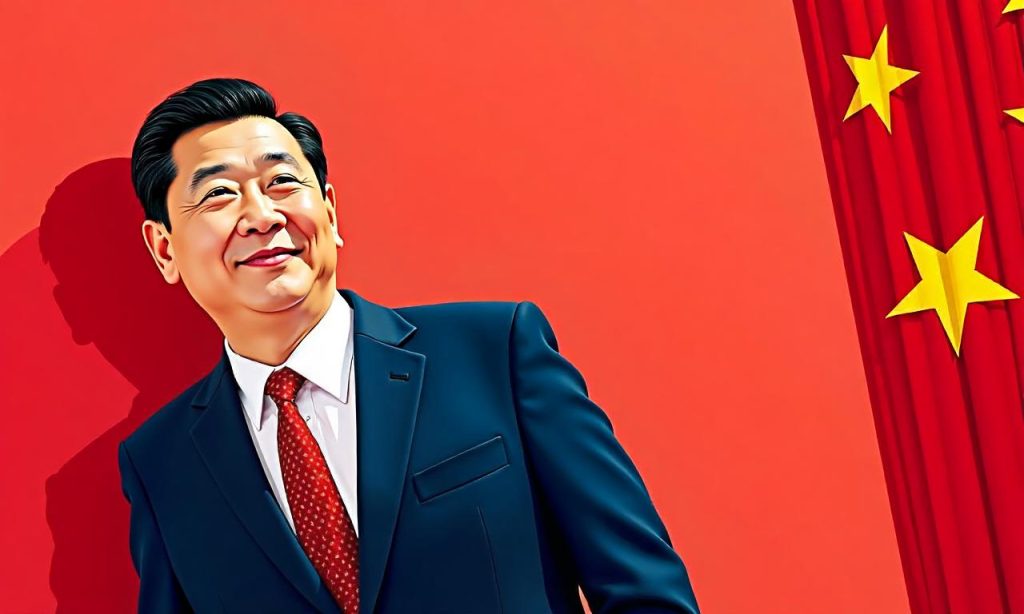
Founder of China’s Evergrande pleads guilty to fraud
In a recent development, Hui Ka Yan, the leader of China’s struggling property developer Evergrande, admitted responsibility for several accusations, including asset misappropriation and corporate corruption. This followed a court statement confirming his plea. During the public hearing in Shenzhen on April 13-14, Hui displayed regret, as noted by Chinese state media. The court has yet to release its final judgment on the case.
The plea signifies a crucial turning point in the aftermath of Evergrande’s financial collapse, which sent shockwaves through the Chinese property market and destabilized investors and local banks. Once the largest real estate firm in the country, Evergrande boasted a stock valuation surpassing $50bn (£37bn) before its 2021 debt crisis dismantled its operations. The firm’s downfall has been linked to a prolonged slump in the property sector, exacerbating economic challenges across the nation.
Judicial proceedings revealed that the company collected substantial pre-sale funds from prospective homebuyers, which were not allocated to construction. These funds were redirected towards new ventures, leaving hundreds of properties unfinished nationwide. Hui, also known as Xu Jiayin, began his journey from modest rural roots, being raised by his grandmother before entering the property development sector and founding Evergrande in 1996.
Hui’s Background and Rise
Before ascending to prominence, Hui started in rural China, where he was nurtured by his grandmother. His entrepreneurial venture launched in 1996, building Evergrande into a dominant force in the property market. The business expanded into electric vehicles and food production, while also acquiring a majority stake in Guangzhou FC, which rose to become one of China’s top football teams.
At its peak, Evergrande managed around 1,300 projects across 280 cities, earning a reputation as the most indebted property developer globally, with over $300bn in borrowed funds. However, Beijing’s 2020 regulations to curb property debt forced the company to sell properties at steep discounts to sustain cash flow. In March 2024, Hui was fined $6.5 million and barred from China’s capital markets for life, attributed to his firm’s revenue overstatement of $78bn.
Evergrande’s stock valuation dropped by 99%, leading to its delisting from the Hong Kong exchange in August

