FDA inspects Taylor Farms Mexico plant linked to outbreak

Daftar Isi
Federal Inspectors Examine Mexican Processing Facility Amid Cyclospora Outbreak
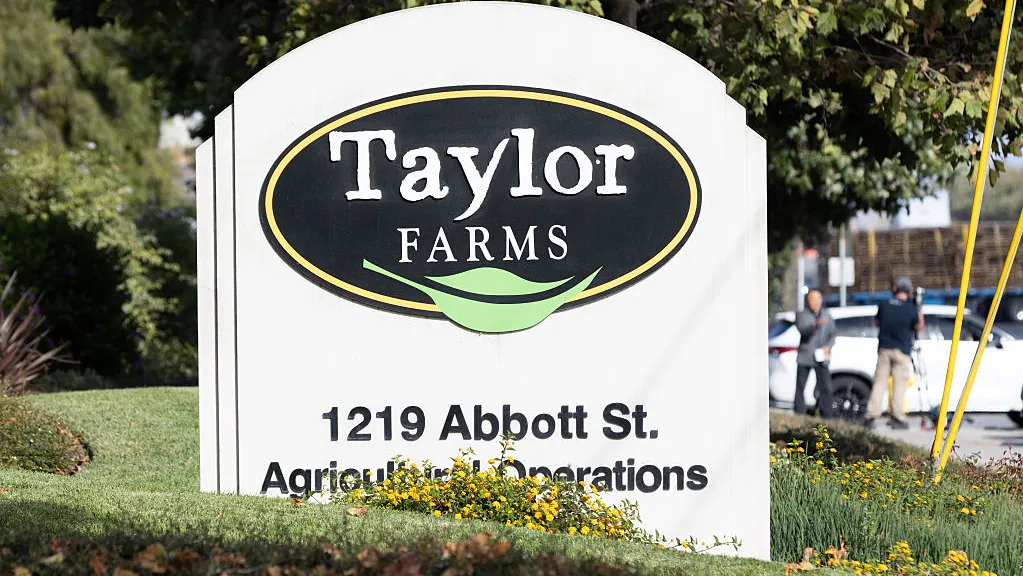
Cybersecarmor.com – The U.S. Food and Drug Administration has dispatched inspectors to a major agricultural processing facility in central Mexico as part of its ongoing investigation into a widespread cyclosporiasis outbreak. The facility, operated by Taylor Farms de Mexico in the state of Guanajuato, has emerged as a potential source of contaminated iceberg lettuce that has sickened thousands of Americans across nearly half the country.
Agency officials confirmed on August 13 that inspectors are actively collecting samples and conducting a thorough examination of the plant’s operations. This inspection follows a series of precautionary measures taken by the California-based company, which suspended processing and distribution of iceberg lettuce from its Central Mexico operations and brought in independent inspectors to evaluate conditions at the facility.
Timeline of the Outbreak Response
The investigation gained momentum approximately a month before the current inspection, when Taylor Farms announced on July 17 that it was removing iceberg lettuce sourced from Central Mexico from retail shelves nationwide. This action came just one day after federal and state health authorities identified a single lettuce supplier connected to Taco Bell restaurants as a potential source of the parasitic infection.
Cyclosporiasis, caused by the microscopic parasite Cyclospora cayetanensis, produces symptoms that can range from mild discomfort to severe illness. Affected individuals typically experience watery diarrhea, abdominal cramping, excessive gas, nausea, and persistent fatigue. The illness can last for weeks in some cases and may require medical treatment.
Unprecedented Scale of Infections
The current outbreak represents one of the largest cyclospora episodes in U.S. history. Since May, health officials have documented thousands of infections, including two fatalities. The Centers for Disease Control and Prevention has reported 13,895 laboratory-confirmed cases spanning 47 states, though the agency acknowledges that its reporting system lags behind state-level data collection.
Michigan currently leads the nation in reported cases. On August 6, the state’s health department issued guidance indicating that residents could resume normal consumption patterns for lettuce and salad greens, though officials cautioned that not all case sources have been definitively identified.
I would be reluctant to say that it is safe to go back to eating the fruits and vegetables. In fact, we don’t even know for sure what fruits and vegetables are causing the disease.
Dr. Dana G. Mordue, associate professor of pathology, microbiology and immunology at New York Medical College, emphasized the need for continued caution, particularly among vulnerable populations including older adults and young children who face higher risks of complications.
Investigating the Source of Contamination
Donald Prater, the FDA’s acting deputy commissioner for food, indicated that agricultural water represents a frequent vector for cyclospora contamination. The agency is conducting a comprehensive review of available data to determine the specific conditions that may have allowed the parasite to enter the food supply.
The FDA is looking carefully at the available data to be able to understand what could have happened.
While the FDA maintains confidence that all recalled iceberg lettuce related to this particular outbreak has been removed from commerce, the investigation continues in coordination with federal and state health officials. The timing of the current inspection has drawn attention from food safety experts, who note that the plant has been operating under restricted conditions for nearly a month.
Broader Implications for Food Safety
The outbreak has reignited discussions about structural improvements to America’s food safety infrastructure. Frank Yiannas, who served as deputy commissioner for food policy and response at the FDA for more than three years before departing in early 2022, proposed the creation of a National Foodborne Outbreak Investigation Board. Modeled after the National Transportation Safety Board, which investigates aviation and rail accidents, such an entity would strengthen coordination and accelerate the identification of lessons learned following major foodborne illness episodes.
Yiannas drew parallels between improvements in hurricane tracking and building standards over recent decades and the need for enhanced capabilities in cyclospora surveillance, detection, and prevention.
Food safety expert and personal injury lawyer Bill Marler noted that such a board could deploy investigative teams within hours of an outbreak detection, recognizing that evidence degrades rapidly at contaminated sites. Marler observed that the current FDA inspection announcement does not specify when the examination began or whether inspectors remain on-site at the time of reporting.
Taylor Farms has also addressed a separate but concurrent public health concern, recalling various food products containing jalapeños that have been linked to an ongoing salmonella outbreak. The company’s dual response to both cyclospora and salmonella issues highlights the challenges facing large-scale agricultural operations in maintaining food safety across multiple contamination vectors.
As the investigation progresses, consumers are advised to remain vigilant and follow guidance from local health authorities. The outcome of the FDA’s examination of the Guanajuato facility may provide critical insights into how agricultural water systems can be monitored and improved to prevent future outbreaks of this persistent parasitic infection.
Related Reading
Frequently Asked Questions
What is FDA inspects Taylor Farms Mexico plant?
FDA inspects Taylor Farms Mexico plant is the main topic of this guide. The article explains the context, practical details, and next steps readers should understand.
Why does FDA inspects Taylor Farms Mexico plant matter?
FDA inspects Taylor Farms Mexico plant matters because readers are looking for a useful answer, not just a short summary. Good content should match search intent and help them decide what to do next.