Father of Georgia school shooter sentenced to 15 years in landmark case

Daftar Isi
Georgia Father Receives 15-Year Sentence in Historic School Shooting Case
A Landmark Decision for Parental Accountability
Cybersecarmor.com – Following the sentencing of his teenage son to life behind bars for the tragic deaths of four individuals at a Georgia high school, Colin Gray has now been handed a 15-year prison term. The father was convicted of providing the weapon that was used during the devastating mass shooting that shook the community. This ruling represents a significant moment in American legal history, establishing new precedent for holding parents accountable when their children commit violent acts.
Colin Gray, now 55 years old, was found guilty on March 27th across 27 separate counts. The jury deliberated for less than two hours before reaching their verdict, which included charges of second-degree murder, involuntary manslaughter, reckless conduct, and cruelty to children. His son, 16-year-old Colt Gray, had previously entered a guilty plea to 55 charges encompassing felony murder, aggravated assault, and cruelty to children. The violence occurred on September 4, 2024, at Apalachee High School in Winder, Georgia.
Testimony and Prosecution Arguments
During his trial, which spanned approximately two weeks, the elder Gray shared his perspective on the events leading up to the tragedy. He explained that he had gifted his son a rifle as a Christmas present, maintaining that he never imagined his child capable of such a horrific act. “I struggle with it every day,” Colin Gray expressed during his emotional courtroom testimony, conveying the weight of his situation.
“The case was about who armed Colt and who enabled him to do what he did,” prosecutor Patricia Brooks told jurors during her closing arguments, emphasizing the prosecution’s central thesis.
Prosecutors contended that Colin Gray should have recognized the potential danger his son presented. The legal team argued that the father’s failure to adequately supervise and secure firearms contributed significantly to the outcome. This perspective formed the foundation of the charges brought against him, particularly given Georgia’s relatively new legislation addressing parental responsibility in school shooting scenarios.
A Historic Precedent in Georgia
According to both prosecution and defense representatives, this case marked the first instance in Georgia’s history where a parent of a school shooter faced charges and subsequent conviction related to the attack. Judge Nicholas Primm recognized the significance of the moment, acknowledging the “divisive nature of the case” before delivering his sentence to Colin Gray.
Judge Primm stated that Colin Gray “failed as a parent” and noted that it became “more and more obvious that something bad was going to happen” in the period preceding the shooting. However, the judge also emphasized an important distinction: Gray did not possess definitive knowledge of his son’s plans and did not intentionally commit a crime. “It matters that you didn’t seek to harm anyone,” Primm remarked. “It matters that you didn’t pull a trigger.”
Legal Implications and Victim Impact
While Colin Gray is not the first American parent to face charges following a school shooting, the severity of his conviction and punishment stands out. This distinction stems largely from a specific Georgia law that permits second-degree murder charges in such circumstances. Under Georgia statute, second-degree murder carries a maximum penalty of 30 years imprisonment, positioning it between murder and involuntary manslaughter in terms of severity.
Legal experts consulted by USA TODAY suggested that this conviction could inspire prosecutors across the nation to pursue similar cases against parents in comparable situations. The precedent set here may influence how future cases are handled, potentially leading to more parental accountability in school shooting incidents nationwide.
During Colt Gray’s sentencing hearing, forensic psychologist Kevin Richards testified that as the family navigated financial difficulties and drug use, the teenager became increasingly isolated, spending most of his time online and eventually joining a community “obsessed” with school shooters.
Family Background and Community Response
Multiple witnesses provided insight into the Gray family’s turbulent home environment before the shooting. Candice Broce, who leads the Georgia Division of Family and Children Services, revealed that the teen’s parents possessed an “extensive history” with her agency. Broce confirmed that she had recently substantiated numerous categories of child abuse and neglect allegations against both parents. These included inadequate supervision, domestic violence, and insufficient psychological care. Additionally, she noted findings against Colin Gray related to poisoning and failure to secure weapons.
The victims of the rampage included Mason Schermerhorn and Christian Angulo, both 14 years old, alongside teachers Richard Aspinwall, 39, and Cristina Irimie, 53. The tragedy sent shock waves through Winder, a small town located northeast of Atlanta. During Colin Gray’s sentencing, family members of the deceased addressed the court, holding him responsible for arming his son and requesting the maximum possible sentence.
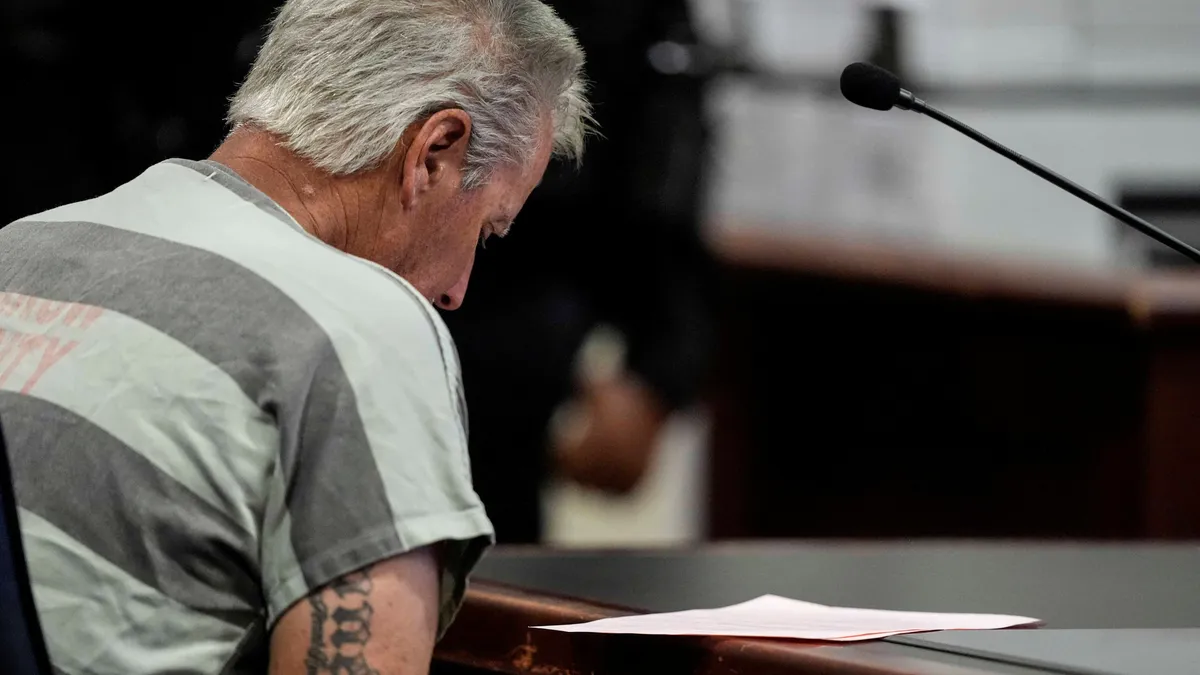
Colin Gray chose not to speak during his sentencing proceedings. His legal team presented no witnesses on his behalf. Defense attorney Brian Hobbs argued that Colin Gray would have taken measures to remove the weapons, referencing a prior conversation with law enforcement before the shooting. Hobbs noted that Colt Gray and his mother concealed the depth of his fascination with mass shooters from authorities.
Months prior to the incident, Colt Gray had been accused of threatening to carry out a school shooting through online platforms. While officials could not definitively confirm that Gray’s son made the threat, a sheriff’s deputy visited the family home and urged Colin Gray to keep his firearms secured. Hobbs requested that the judge impose a 20-year sentence, drawing parallels to the punishment given to Jennifer and James Crumbley, parents of a Michigan teenager who killed four classmates. The Crumbleys had been convicted of involuntary manslaughter.
Related Reading
Frequently Asked Questions
What is Father of Georgia school shooter sentenced?
Father of Georgia school shooter sentenced is the main topic of this guide. The article explains the context, practical details, and next steps readers should understand.
Why does Father of Georgia school shooter sentenced matter?
Father of Georgia school shooter sentenced matters because readers are looking for a useful answer, not just a short summary. Good content should match search intent and help them decide what to do next.