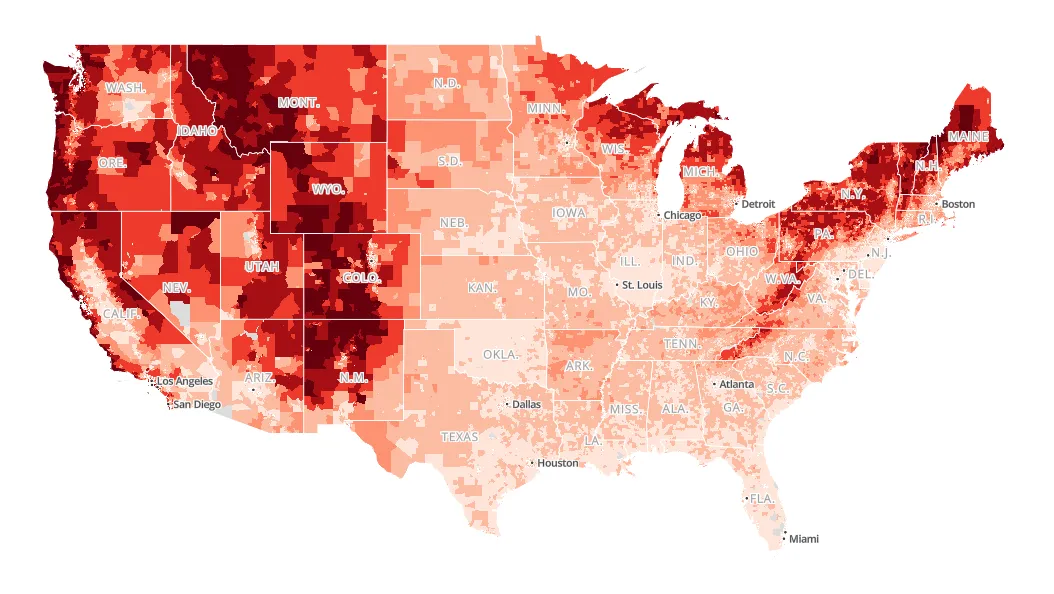
‘Explosive’ diarrhea illness reported across US. See map of affected states


‘Explosive’ Diarrhea Illness Spreading Across U.S. – Updated Map Shows Affected States
Cybersecarmor.com – As summer heats up, health officials are urging vigilance with fresh produce, particularly fruits and vegetables, due to a surge in cases of cyclosporiasis—a parasitic infection linked to severe gastrointestinal symptoms. The condition, which causes persistent diarrhea, nausea, and vomiting, has been reported in over 170 individuals across 17 U.S. states, according to the Centers for Disease Control and Prevention (CDC) and state health records. Michigan, in particular, has seen a dramatic rise in infections, with the state’s health department confirming more than 170 cases as of July 1, a significant jump from the approximately 50 reported last year.
Seasonal Surge and Ongoing Investigations
Cyclosporiasis, caused by the parasite *Cyclospora cayetanensis*, typically peaks during the warmer months of May through August. This year’s outbreak appears to be part of that seasonal trend, though state health authorities and the CDC are still searching for a specific common source. “We have not yet identified a single multistate outbreak connecting these cases,” the CDC stated in a June 2 update to USA TODAY. “The data currently available reflects a broader surveillance count of cyclosporiasis cases across the country, including clusters under investigation by the FDA and individuals infected abroad.”
“The numbers on the CDC’s website represent a cumulative count of cases reported throughout the U.S. and include both domestically acquired and travel-related infections,” the agency explained in its statement.
As of June 16, 145 cases were reported within the U.S., with an additional 45 cases linked to international travel. While most patients experience mild symptoms, 20 individuals required hospitalization, and no fatalities have been recorded. The illness affects a wide range of ages, from 5 to 86, with a median age of 42. However, Michigan’s recent cluster of infections has raised concerns, as the state’s case count has more than tripled compared to 2025.
How the Parasite Spreads and Symptoms
The infection spreads through the fecal-oral route, often via contaminated food or water. Infected fecal matter can transfer to fresh produce like basil, raspberries, and lettuce, which have previously been tied to outbreaks in the U.S. Once consumed, the parasite triggers symptoms that typically manifest within two to 14 days, though some individuals may develop illness as early as two days after exposure.
Cyclosporiasis is characterized by severe, frequent, and sometimes explosive diarrhea, which can lead to dehydration and discomfort. Other symptoms include abdominal cramps, fatigue, and loss of appetite. While the CDC reports that most healthy individuals recover without treatment, prolonged cases can persist for months or recur if not addressed with antibiotics. The agency emphasizes that early intervention is crucial to preventing complications.
Tracking the Outbreak and Regional Trends
Health officials are using maps and data dashboards to monitor the spread of the illness. The latest CDC map, updated as of June 16, shows the geographic distribution of cases, while state-level reports reflect additional findings through June 30. Although the majority of cases are linked to domestic food sources, the CDC notes that some infections occur during travel to regions like Central America, South America, and Africa, where cyclosporiasis is more prevalent.
The Michigan Department of Health and Human Services has previously highlighted the role of contaminated produce in local outbreaks, especially during warm weather. “Infections tend to spike when fresh fruits and vegetables are more susceptible to contamination, often due to improper washing or handling,” the department stated in a Detroit Free Press report. This pattern aligns with the CDC’s observation that cyclosporiasis cases rise during the summer months, when produce is in season and consumption increases.
Prevention Tips for Summer Picnics and Beyond
To reduce the risk of infection, experts recommend thorough washing of all fresh produce, even those typically considered safe like leafy greens and berries. Cooking or peeling fruits and vegetables can further minimize exposure to the parasite. Additionally, maintaining proper hand hygiene—especially before eating or preparing food—is critical in preventing fecal-oral transmission.
CDC guidelines also suggest avoiding undercooked foods and ensuring drinking water is safe, particularly in areas where water sources may be contaminated. While the exact cause of the current surge remains under investigation, the agency warns that the illness can spread quickly through shared food items or surfaces in public spaces. With the Fourth of July approaching, families and individuals planning outdoor gatherings should be mindful of these precautions to protect themselves and others from the parasitic infection.
Although no single outbreak has been confirmed yet, the CDC and FDA are collaborating to trace the origin of the parasite. This includes inspecting food supply chains, monitoring farm practices, and analyzing water sources in affected regions. The current data reflects a steady increase in cases, with the potential for further spread if common sources remain unidentified.
As the summer season continues, public health officials are urging increased awareness and proactive measures to curb the spread of cyclosporiasis. The illness, while often manageable, can disrupt daily activities and pose risks for vulnerable populations, such as children and the elderly. By understanding how the parasite spreads and implementing preventive steps, individuals can enjoy their summer meals without the threat of severe gastrointestinal distress.
The CDC’s monthly updates highlight the importance of ongoing surveillance in tracking cyclosporiasis. While the latest figures as of June 16 show a national tally of 145 cases, the Michigan Department of Health has reported a much higher count, indicating that local outbreaks may have a significant impact. This discrepancy underscores the need for continued monitoring and targeted interventions to address regional variations in the spread of the parasite.
With the season for cyclosporiasis in full swing, health experts are advising the public to stay informed about the latest outbreaks and prevention strategies. By following simple hygiene practices and staying alert to the risks associated with fresh produce, individuals can reduce their chances of contracting this parasitic infection and enjoy the summer safely.