Election officials say mail-in ballot rules could compromise midterms

Daftar Isi
Mail-In Ballot Portal Deadline Collides With Midterm Election Timetables
Cybersecarmor.com – With weeks separating the country from the November 2026 midterm elections, a wave of current and former election administrators is sounding alarms over a federal postal regulation that they say is logistically impossible to implement on the compressed timeline now in effect. The U.S. Postal Service finalized a sweeping new rule on August 26, mandating that state and local election offices transmit voter names and addresses through a dedicated digital portal before any mail-in ballot can be dispatched or returned. Officials across the political spectrum describe the requirement as unworkable at this stage of the election cycle.
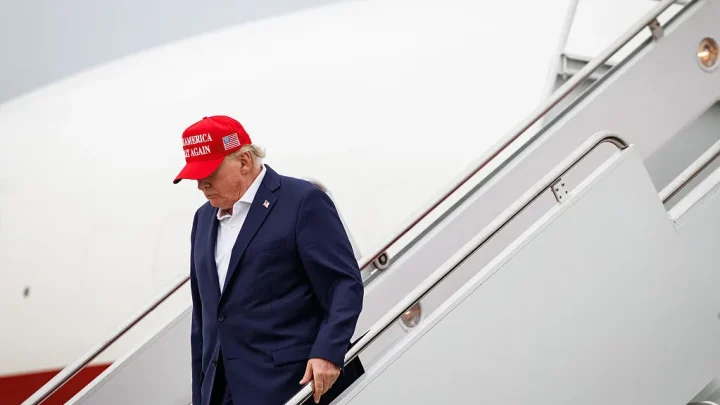
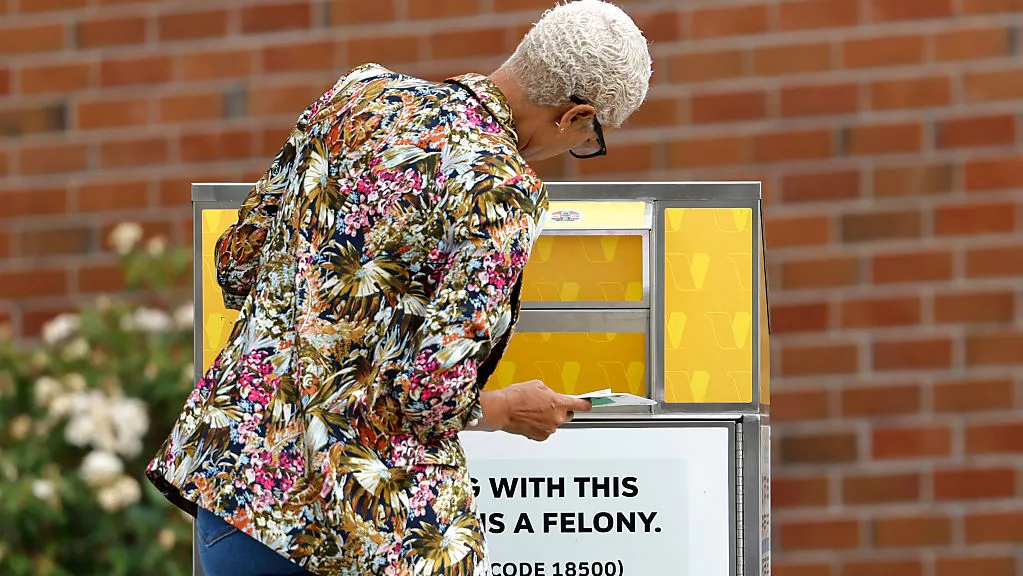
The regulation traces its origin to an executive order signed by President Donald Trump in March, which directed the Postal Service to tighten controls over how absentee ballots travel through the mail system. Under the finalized text, only voters whose identifying information has been formally submitted by their state or locality through the new portal will be eligible to receive a mailed ballot or to have a completed ballot accepted for return. The rule additionally imposes fresh design specifications on ballot envelopes, most notably a tracking barcode that each state must generate and submit to USPS for pre-approval before the envelope can be used.
Why the Timeline Is Already Broken
Election administration does not operate on short notice. Planning cycles begin months — sometimes years — before early voting opens. Ballot language must be vetted and cleared through state legislative and judicial channels. Envelopes are procured well in advance, often with pre-printed postage stamps already affixed, all within fixed annual budgets that leave little room for mid-cycle redesigns. Carolina Lopez, a former election administrator for Miami-Dade County, Florida, framed the problem bluntly:
“If there was a change today or any time between these federal – or even state – deadlines, it would take short of an act of God” to pull off the elections, Lopez said. “It does require time and money.”
Arizona Secretary of State Adrian Fontes, a Democrat, told reporters that the window for meaningful compliance has effectively closed. He characterized the situation as a “logistical nightmare” and argued that pragmatic implementation is no longer feasible given where the election calendar already stands.
Court Battles and the September 3 Hearing
The rule’s path to enforcement has been anything but smooth. On August 24, the Supreme Court removed a procedural barrier, clearing the Postal Service to issue the regulation. It will remain on the books for the midterms unless lower courts intervene. Multiple constitutional challenges have been filed: one brought by a coalition of 24 states and another by voting-rights organizations. In both cases, judges have issued temporary restraining orders that block portions of the rule from taking immediate effect. A consolidated hearing on whether to extend a longer-term injunction — one that would keep the rule from being applied to the 2026 midterms — is set for September 3.
Fontes said he is proceeding on the assumption that the courts will ultimately halt the rule before election day. He posed the question rhetorically:
“Otherwise, what am I supposed to do? Go into a full-fledged panic and send everybody into emergency mode down a path that they very likely won’t have to finish and upset the already busy, underfunded, understaffed apple cart that we’re already running down the trail?” he said. “We just can’t do this. We don’t live in a world where miracles happen.”
White House Response
Administration officials pushed back against the characterization of a compliance crisis. White House spokeswoman Lauren Bis stated that the rule “was proposed months ago giving election officials ample time to prepare for the 2026 election.” She attributed any confusion to what she called “radical Democrats’ litigation to stop these commonsense measures that protect the security of mail-in ballots and ensure only Americans are electing American leaders.” Bis added that the Trump Administration “will continue to lawfully enact the agenda President Trump was elected on – which includes the safety and security of our elections.”
The Postal Service itself did not respond to written inquiries seeking clarification on operational details: when states may begin uploading voter data to the portal, what technical standards envelopes must meet for approval, and how USPS personnel will be trained to handle ballots under the new framework. A USPS spokesperson previously noted the agency cannot comment on matters subject to pending litigation.
Constitutional Tensions and State-by-State Variation
A deeper structural problem underlies the immediate logistical scramble. The Constitution vests primary authority over election administration in the states, meaning each of the 50 jurisdictions maintains its own statutes, regulations, and standards governing ballot appearance, mailing schedules, and return deadlines. There is no uniform federal template for what a ballot envelope looks like or when it must reach a voter’s mailbox. Imposing a single federal portal and a single barcode standard on top of that patchwork multiplies complexity rather than simplifying it.
Federal deadlines still apply regardless. Military and overseas voters must receive ballots at least 45 days before the election — a date that lands in mid-September. Twenty states, according to the National Conference of State Legislatures, already mail ballots to all eligible voters 45 days or more before Election Day. North Carolina and Delaware, for instance, begin dispatching ballots during the first week of September. If the USPS rule takes full effect before those dates, states that have not completed portal submissions would face the prospect of being barred from using the mail system entirely for ballot distribution.
What Stakes Are at Issue for Voters
Mail-in and absentee ballots account for a substantial and growing share of votes in every election cycle. For voters who rely on postal ballots — including elderly citizens, military personnel stationed abroad, and residents of rural counties where polling places are hours away — any disruption to the mailing pipeline carries direct consequences. The stakes are not merely administrative; they touch the fundamental right to cast a ballot in a manner of one’s choosing. Whether the courts ultimately sustain the rule, narrow it, or strike it down will determine whether tens of millions of voters navigate a familiar process or confront an unfamiliar federal intermediary in the weeks before they mark their ballots.
Related Reading
Frequently Asked Questions
What is Election officials say mail in ballot?
Election officials say mail in ballot is the main topic of this guide. The article explains the context, practical details, and next steps readers should understand.
Why does Election officials say mail in ballot matter?
Election officials say mail in ballot matters because readers are looking for a useful answer, not just a short summary. Good content should match search intent and help them decide what to do next.