Don’t let the bed bugs bite! Orkin lists worst cities for bed bugs

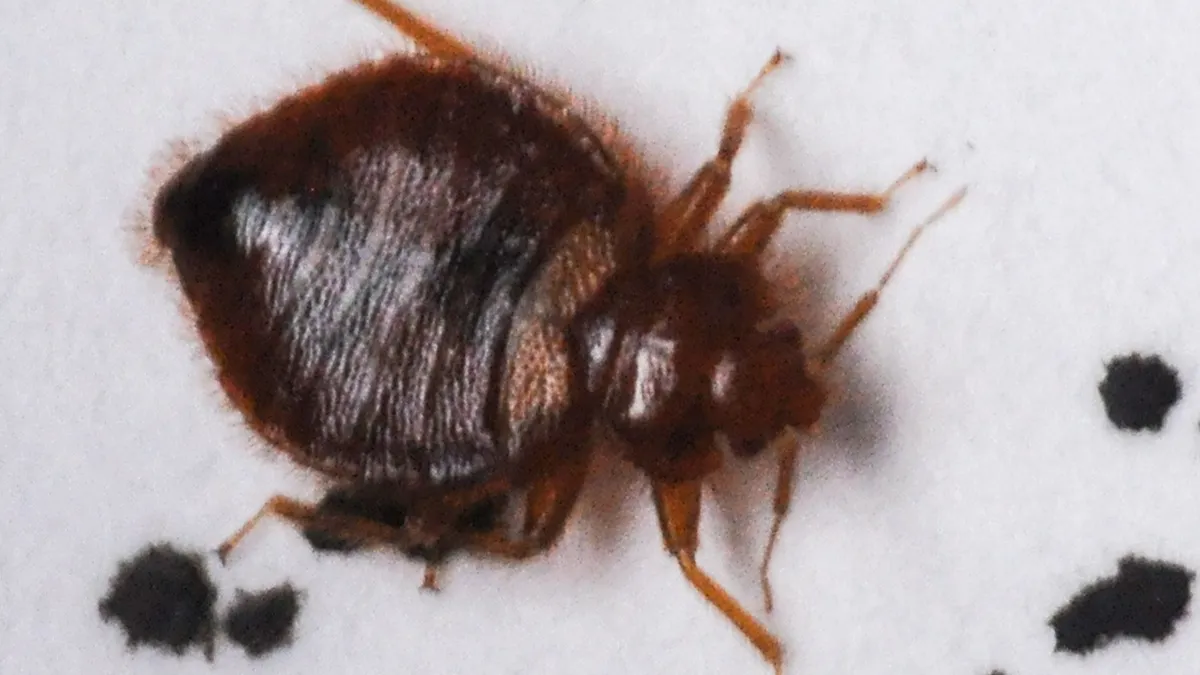
Summer Travelers Should Watch for Unwanted Hitchhikers: Orkin Reveals 2026 Bed Bug Hotspots
Cybersecarmor.com – As summer vacation season reaches its peak, visitors flocking to America’s most popular destinations would be wise to exercise additional vigilance. Orkin, the well-known pest management firm, has just unveiled its annual Bed Bug Cities List for 2026, which ranks American metropolitan areas according to their bed bug infestation frequency. This marks yet another edition of the company’s yearly assessment of urban bed bug prevalence.
According to Orkin representatives, the combination of heightened travel activity and elevated guest turnover rates at lodging establishments, residential buildings, and other types of accommodations creates numerous pathways for these pesky insects to proliferate. Bed bugs frequently travel by attaching themselves to suitcases, backpacks, and other personal items that guests carry with them.
Understanding the Ranking Methodology
The Orkin rankings draw upon data collected from both residential and commercial bed bug treatment services conducted during the twelve-month window spanning May 12, 2025, through May 12, 2026. This comprehensive dataset provides a reliable snapshot of which cities are experiencing the most significant bed bug challenges.
Several beloved vacation locations either ascended the rankings or secured their first appearance in the top fifty cities this year. Notable newcomers and risers include Tampa, Florida, and Myrtle Beach, South Carolina, both of which have become increasingly popular summer destinations in recent years.
Ohio emerged as the state with the strongest representation on the list, boasting six cities within the top fifty. These Ohioan cities include Cincinnati, Cleveland, Columbus, Youngstown, Dayton, and Toledo, demonstrating that bed bugs are a widespread concern throughout the Buckeye State.
Notable Shifts in the Rankings
Among the most dramatic movers in this year’s rankings, Nashville and Oklahoma City each advanced ten positions upward. Meanwhile, Tampa, Kansas City, and Myrtle Beach achieved the distinction of entering the top fifty for the very first time in Orkin’s history of publishing these rankings.
This Orkin report coincides with additional research suggesting that bed bug encounters may vary significantly depending on which state travelers visit. A recent USA TODAY article, drawing on analysis from Casino.ca, identified Michigan as having the highest estimated bed bug risk for visitors nationwide. The ranking continued with Ohio, Maryland, Pennsylvania, Wisconsin, Texas, Illinois, New York, and Washington, DC following in order.
Researchers in that study compared bed bug data from both Orkin and Terminix against social media commentary and TripAdvisor hotel reviews collected from each state’s three largest urban centers. Their findings indicated that popular tourist locations tend to present higher bed bug risks primarily due to the constant flow of visitors rather than any deficiency in hotel cleanliness or maintenance standards.
Expert Advice for Travelers
“Travel season brings excitement, but it also makes awareness especially important,” said Dr. Shannon Sked, Orkin entomologist and national technical director.
Orkin offers several practical recommendations for guests seeking to avoid bringing bed bugs home. Travelers should thoroughly examine hotel rooms before unpacking their belongings, paying close attention to mattresses and nearby furniture for signs of live insects, discarded skins, minute eggs, or dark stains that resemble ink marks.
Additionally, guests should position their luggage on elevated racks rather than placing bags directly on beds or floors. Before departing for home, travelers ought to inspect their bags carefully. Once back home, placing dryer-safe garments in a high-heat dryer for thirty to forty-five minutes can help eliminate any potential hitchhikers.
Dr. Sked emphasized that bed bugs seldom vanish without intervention, which is why early detection combined with swift professional treatment represents the most effective strategy for preventing infestations from expanding throughout a home or building.
Reporter Anthony Thompson can be contacted at ajthompson@usatodayco.com, or on X @athompsonUSAT