Trump restores commercial fishing in protected areas of Pacific Ocean

Trump Resumes Commercial Fishing in Pacific Ocean Monuments
Cybersecarmor.com – On June 11, 2026, President Donald Trump announced a significant shift in marine policy by resuming commercial fishing activities in three Pacific Ocean marine national monuments. This decision, reported initially by USA TODAY, reverses prior restrictions that had limited fishing in these ecologically sensitive regions, allowing industries to operate in areas once deemed critical for biodiversity preservation.
The White House framed the action as a strategic move to strengthen the U.S. fishing sector and reduce seafood costs for consumers. By lifting protections on portions of the Papahānaumokuākea Marine National Monument, the Mariana Trench Marine National Monument, and the Rose Atoll Marine National Monument, Trump aims to support domestic fishing operations while addressing economic pressures.
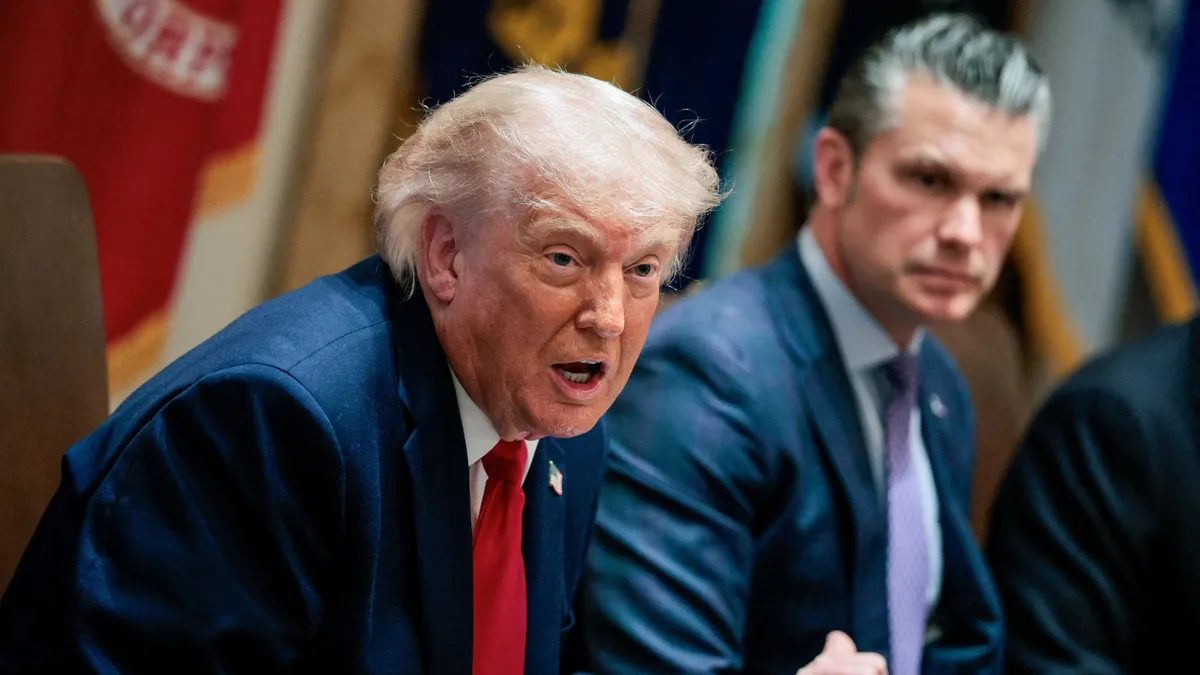
During a ceremony in the Oval Office attended by representatives from the fishing community, Trump emphasized the importance of the policy. “When they destroyed your whole life and your family and your business, and everything else, did you ever think you would have somebody who would come along and save it?” he asked the audience, highlighting his administration’s commitment to aiding the industry.
Monuments and Their Significance
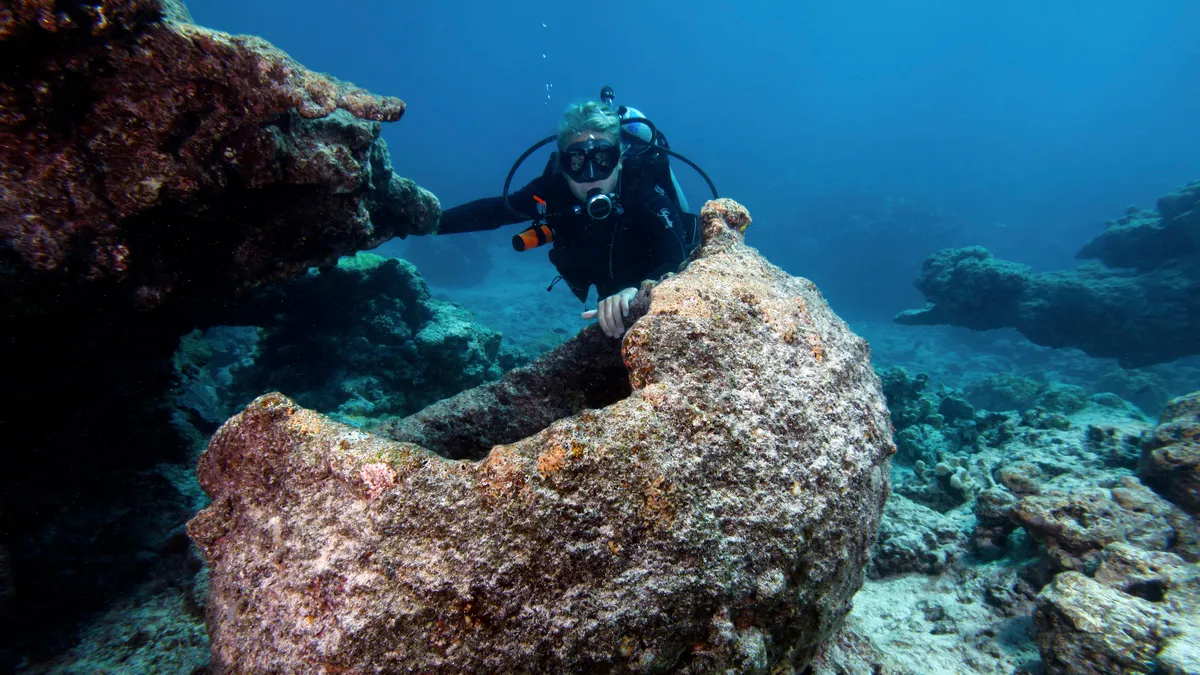
The Papahānaumokuākea, Mariana Trench, and Rose Atoll monuments are part of a network of protected ocean areas established under the National Marine Sanctuaries Act. These regions, spanning nearly half a million square miles, were designated for their ecological value, serving as vital habitats for marine species and contributing to the health of the Pacific Ocean. Scientists and conservationists had previously argued that these areas are among the most effective tools for sustaining fish populations and restoring ecosystems.
However, the nation’s regional fishery management councils have expressed concerns about the policy’s impact on conservation efforts. In a June 2025 letter to the White House, these councils criticized the fishing bans as “counterproductive” to their goals of managing domestic fisheries. They highlighted that the removal of fishing vessels from U.S. waters reduces their capacity to monitor and protect local fishing grounds from foreign exploitation.
According to a White House summary of the proclamation, the restrictions on commercial fishing within monuments are no longer deemed essential for their preservation. The document cites the migratory nature of many fish species and the existing federal protections as sufficient safeguards. “Prohibiting commercial fishing in this area artificially restricts domestic fish supply,” the summary states, “making the United States reliant on foreign sources for our food supply and inflating seafood prices for everyday Americans.”
Policy Shift and Historical Context
This latest action continues Trump’s broader agenda of reducing regulatory burdens on industries. His administration has consistently advocated for deregulation, emphasizing economic growth over environmental constraints. The decision to restore fishing rights in the Pacific aligns with this approach, particularly following the Biden administration’s expansion of protected marine areas during his first term.
Earlier in his second term, Trump had already taken steps to reverse environmental protections. In February 2025, he issued executive orders to lift bans on commercial fishing in the Northeast Canyons and Seamounts Marine National Monument, a move that had been implemented by Biden. The new proclamation expands this trend, targeting three additional monuments in the Pacific. A similar measure was enacted in April 2025, which restored fishing access to the Pacific Remote Islands Marine National Monument, covering approximately 400,000 square miles.
The National Parks Conservation Association, a key advocate for marine conservation, noted that the monuments are critical for maintaining ecological balance. “These areas provide a sanctuary for endangered species and help replenish fish stocks,” the organization stated. Yet, the Trump administration argues that the fishing industry’s ability to harvest resources in these zones is necessary for long-term economic viability.
Industry and Environmental Perspectives
Fishermen and industry representatives have welcomed the policy, calling it a victory for accessibility and profitability. For many, the restrictions had created logistical challenges, limiting their ability to operate in vast, open waters. The lifting of these bans is expected to boost production and lower costs, benefiting both businesses and consumers.
Environmental groups, however, remain cautious. While they acknowledge the importance of managing fisheries sustainably, they worry that the policy could undermine efforts to protect fragile ecosystems. Critics argue that the monuments’ remote locations and rich biodiversity require strict protections to ensure long-term conservation, even as industries exploit their resources.
Despite these concerns, the White House maintains that the move is a pragmatic response to the realities of the fishing industry. By allowing commercial operations in the monuments, the administration seeks to balance economic interests with environmental stewardship. The decision also reflects a broader ideological shift, positioning Trump’s approach as a departure from the more stringent regulations introduced during the Biden era.
Implications for Marine Conservation
The restored fishing access may have both positive and negative consequences. On one hand, it could provide a financial boost to the industry, supporting jobs and food security. On the other hand, it raises questions about the long-term health of marine ecosystems. Conservationists warn that increased fishing activity might strain populations of vulnerable species, particularly in the Pacific’s remote and ecologically rich zones.
Still, the administration remains confident in its rationale. “These monuments were established to protect marine ecosystems, but their effectiveness depends on how they’re managed,” the White House summary states. By allowing commercial fishing, the government believes it can achieve a more balanced approach, ensuring that these areas remain productive while still preserving their environmental value.
As the policy takes effect, the debate over marine conservation and industry interests is expected to intensify. With Trump’s actions marking a clear break from previous environmental regulations, the future of these protected areas may hinge on the interplay between economic demands and ecological needs. The decision underscores the ongoing tension between conservation efforts and the practical requirements of sustaining the fishing industry in the Pacific Ocean.
Further analysis of the proclamation will be crucial in assessing its long-term impact. While the immediate benefits for commercial fishing are evident, the effectiveness of the policy in maintaining the health of the marine environment will depend on how well it balances industry access with conservation strategies. The next steps for the administration will likely include monitoring the effects of these changes and potentially adjusting regulations based on observed outcomes.
For now, the resumption of fishing in these monuments represents a