7 killed in Indiana storms that led to record flooding

Daftar Isi
Indiana’s Flood Toll Reaches Seven as Recovery Confronts Ongoing Weather Threat
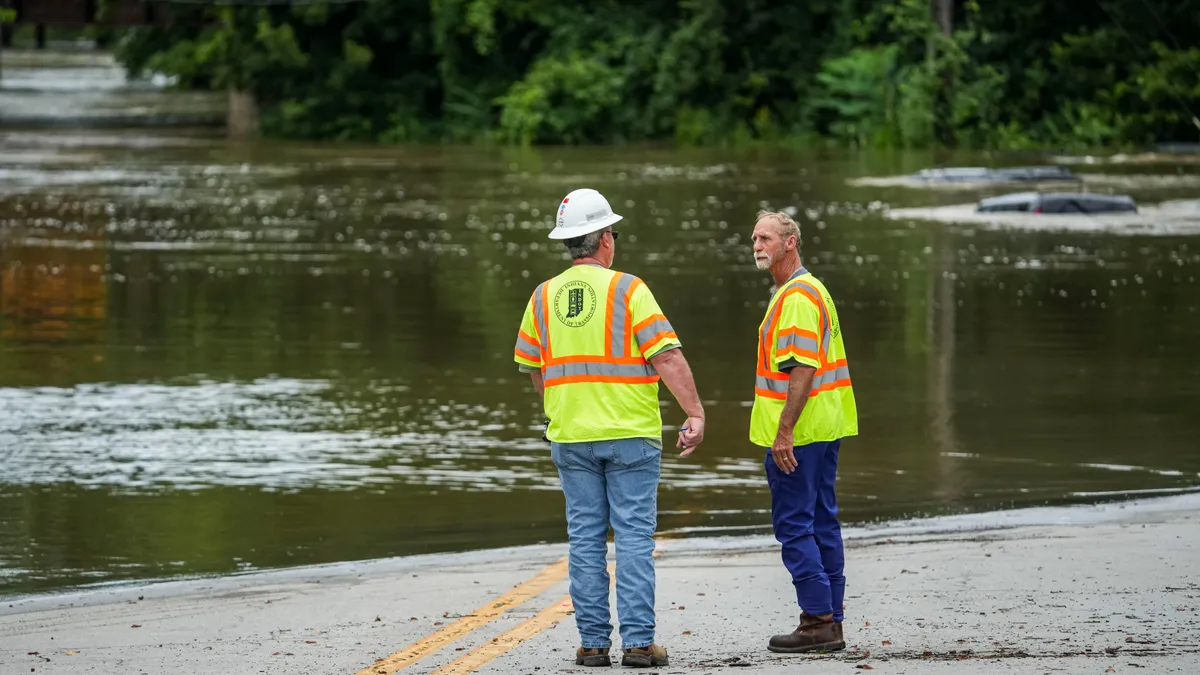
Cybersecarmor.com – Central Indiana entered its second week of storm-driven catastrophe on August 16 with at least seven confirmed deaths tied to a series of severe thunderstorms that began on August 11. While local officials have shifted focus toward assessment and reconstruction, the National Weather Service warned that conditions remain volatile enough to produce another round of flash flooding within hours.
The storms that struck the state over five consecutive days delivered sustained heavy rainfall and damaging winds across a wide swath of Indiana, from its northwest corner to its southeastern reaches. The cumulative effect pushed river systems past thresholds not seen in more than a century and left communities grappling with submerged roads, collapsed structures, and displaced residents.
A Century-Old River Record Shattered
The White River crested at approximately 24.60 feet around 3:30 a.m. on August 15, surpassing a benchmark that had stood for over 100 years. The surge was not an isolated event; it represented the downstream culmination of days of relentless precipitation feeding into the river’s upper tributaries.
As of the latest briefing from the Indianapolis weather office, major flooding continued near the White River north of Indianapolis, while moderate flooding was forecast along portions of both the Wabash and White Rivers. Officials noted that although the headwaters had crested, water levels were still climbing in the middle and lower reaches — a pattern that keeps downstream communities on alert for days after the initial peak.
“The headwaters have crested with water still rising in the middle and lower portions of the rivers.”
Seven Lives Lost Across the State
The human cost of the storm sequence has been confirmed by county officials across multiple jurisdictions. Delaware County official Liz Woods identified two flood victims: Matthew Morey, 19, and Stephanie Sallee, 58.
Morey was located on August 15 after going missing three days earlier when he and three friends jumped into the Mississinewa River. Sallee’s body was discovered in a cornfield southwest of Muncie on the same day; investigators determined her vehicle had been carried away by fast-moving water.
In Jennings County, Woods confirmed the death of a 4-year-old boy after a tree crashed through the back bedroom of his home during the storm winds. The loss of a child in what should have been a safe interior space underscored how violently the August storms tore through residential neighborhoods.
A separate fatality occurred in Henry County, where James Briar, 31, a bicyclist from New Castle, died after investigators believe he rode around traffic barricades and plunged into a large sinkhole. Henry County Coroner Brian Clark stated that Briar was pronounced dead at the scene shortly before 4 a.m. on August 16, after his body was located near the hole.
The remaining three confirmed victims include a woman in Lake County, a woman in Porter County, and a man in LaPorte County, according to Woods’ briefing to local reporters.
Federal Emergency Declaration Activated
President Donald Trump signed an emergency declaration for Indiana on August 15, opening the door for the Federal Emergency Management Agency to deploy personnel, equipment, and logistical support into the hardest-hit areas. The declaration is a standard mechanism that accelerates federal assistance when state and local resources are overwhelmed — a situation that became increasingly apparent as floodwaters receded enough to reveal the full extent of infrastructure damage.
In Hamilton County, commissioner Christine Altman addressed reporters at an August 16 news conference to outline the county’s transition from emergency response to longer-term recovery.
“Our hearts go out to those people who have been affected by the flooding and the infrastructure loss, but now we’re moving forward with things that we can control. That’s the assessment, recovery, reconstruction.”
Flood gates around Indianapolis were being opened in a coordinated effort to manage residual water levels, while crews began inspecting bridges, roadways, utility lines, and drainage systems for hidden structural damage that may not be visible until loads are applied.
The Weather Has Not Finished
Despite the shift toward recovery planning, meteorologists cautioned that Indiana’s danger period is far from over. The Indianapolis National Weather Service office issued a hazardous weather outlook on August 16 warning of renewed thunderstorms into the evening, with explicit threats for damaging winds and heavy rainfall.
“Thunderstorms are possible again today into tonight with a threat for damaging winds and heavy rainfall. Any additional heavy rainfall will likely quickly produce flash flooding.”
The alert was directed at Central Indiana specifically, where saturated soils and already-elevated river stages mean that even moderate additional rain can translate rapidly into dangerous conditions. Residents in low-lying areas along the White, Wabash, and their tributaries were urged to monitor local advisories and prepare for possible evacuation orders.
A Broader Pattern of Extreme Weather
The Indiana storms did not occur in isolation. They arrived amid a multi-week stretch of extreme weather spanning the continental United States: record-setting heat in the West stoked wildfire activity, while repeated convective systems drenched portions of the Midwest and East Coast. Meteorologists have pointed to persistent atmospheric patterns that channel moisture into the central states during late summer, making back-to-back storm events increasingly common in a season that had already produced multiple flood episodes across the region.
For Indiana communities still drying out their basements and clearing debris from roadways, the prospect of another night of heavy rain transforms recovery operations back into emergency response — a cycle officials hope will end within days but cannot guarantee while the atmospheric setup persists.
Related Reading
Frequently Asked Questions
What is 7 killed in Indiana storms that?
7 killed in Indiana storms that is the main topic of this guide. The article explains the context, practical details, and next steps readers should understand.
Why does 7 killed in Indiana storms that matter?
7 killed in Indiana storms that matters because readers are looking for a useful answer, not just a short summary. Good content should match search intent and help them decide what to do next.