
Trump gives EU until 4 July to implement trade deal or face ‘much higher’ tariffs
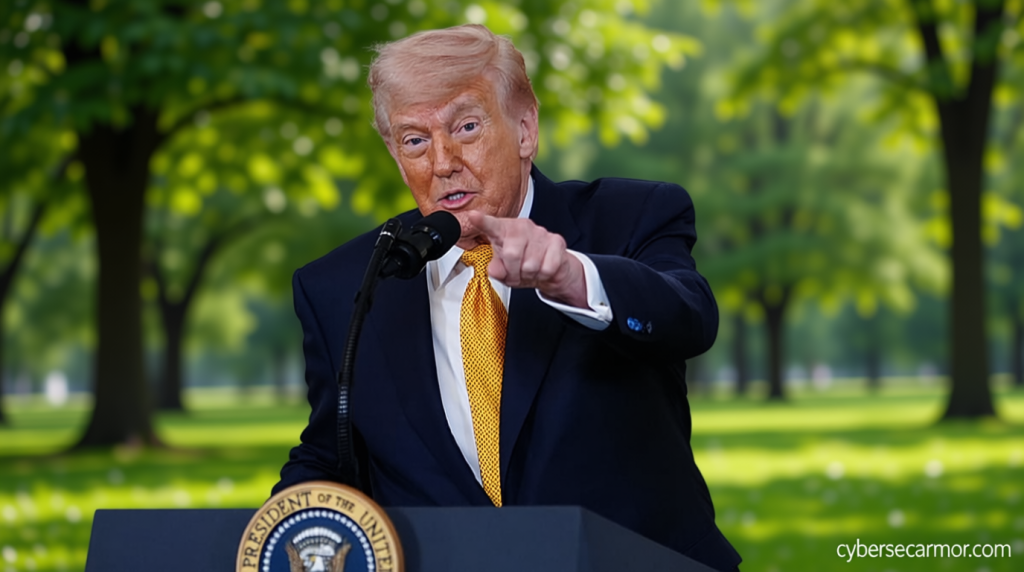
Trump Gives EU Until 4 July to Implement Trade Deal or Face Higher Tariffs
Trump gives EU until 4 July – US President Donald Trump has imposed a tight timeline on the European Union, giving it until 4 July to finalize a trade agreement or risk facing increased tariffs. This directive followed a recent discussion with European Commission President Ursula von der Leyen, where Trump emphasized the need for prompt action. The deadline comes amid ongoing disputes between the two economic blocs, with both sides striving to reach terms that could stabilize cross-border trade and reduce existing tensions.
Trump’s 4 July deadline extends the initial threat he issued days prior, which had targeted EU car tariffs at 15%. Now, the deadline is aligned with the 250th anniversary of American independence, a symbolic date that underscores the gravity of the situation. “The EU has promised to cut its tariffs to zero, and the 4 July deadline will ensure they follow through,” Trump asserted, reinforcing his demand for adherence to the terms. His public statements highlight the significance of the deal, which he describes as a historic agreement.
The trade deal involves mutual tariff reductions, with the EU agreeing to lower tariffs on American goods and the US pledging a 15% tariff on most EU products. This compromise was intended to prevent further escalation, but the arrangement remains uneven. Critics argue that the US is not fully honoring its commitments, while the EU’s concessions are seen as substantial. Trump’s latest declaration emphasizes his expectation of reciprocity, even as some European officials express cautious optimism about meeting the deadline.
EU’s Legislative Struggles and Internal Pressure
European lawmakers are working to pass legislation that would remove the tariffs, but the process has faced delays. Von der Leyen has been vocal about the need for swift implementation, noting that “good progress is being made toward tariff reduction by early July.” However, internal debates within the EU continue, with member states divided on whether to stick to the original terms or incorporate safeguards to mitigate risks. The 4 July deadline looms large, pressuring EU negotiators to resolve differences quickly.
One key point of contention is the inclusion of safeguards to protect the EU in case Trump reverses his commitments. This debate has been influenced by earlier remarks from the US president, who hinted at the possibility of seizing Greenland. The EU’s insistence on these safeguards reflects concerns over Trump’s tendency to withdraw from agreements, with fears that he may raise tariffs unilaterally if the deal is not sealed by the deadline. This uncertainty has heightened discussions on the potential economic impact of delayed action.
Trump’s repeated warnings to increase tariffs have strengthened opposition within the EU, with some members advocating for additional concessions. The White House has also criticized the EU’s regulatory frameworks, pointing to digital and environmental policies as areas for negotiation. Despite these pressures, von der Leyen has reiterated the EU’s commitment to the agreement, stating that “a deal is a deal” and that the bloc is prepared to navigate challenges. The 4 July deadline remains a central focus for both parties.
The stakes of the trade deal extend beyond immediate tariff adjustments, impacting long-term economic relations. With the 4 July deadline approaching, the EU and US are racing to finalize terms that could reshape global trade dynamics. Analysts suggest that the outcome of these negotiations will determine whether the agreement solidifies economic ties or leads to further friction. The focus keyword, “Trump gives EU until 4 July,” has been strategically placed to highlight the urgency of the situation and align with the broader context of the trade deal.

