
UK to summon Chinese ambassador after convictions over spying on Hong Kong dissidents
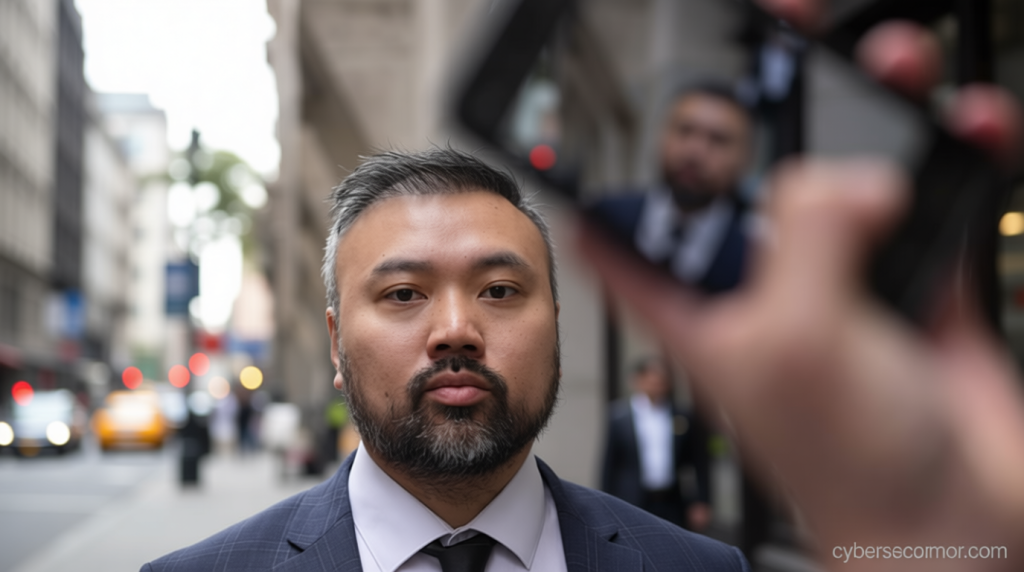
UK Summons Chinese Ambassador Over Hong Kong Spy Convictions
UK to summon Chinese ambassador after – The United Kingdom has taken a firm stance on its relationship with China following the conviction of two individuals for espionage activities targeting Hong Kong dissidents. The UK’s decision to summon the Chinese ambassador to London underscores its commitment to addressing concerns about the influence of Beijing’s intelligence operations in the UK. This action follows the sentencing of Peter Wai and Bill Yuen, who were found guilty of aiding foreign intelligence efforts under UK national security laws.
Convictions and Judicial Findings
Peter Wai, a former UK Border Force official, and Bill Yuen, a retired Hong Kong police superintendent, were convicted after a trial that exposed their covert roles in monitoring activists. The Old Bailey court’s verdict highlighted their involvement in a “shadow policing” campaign, which aimed to track down and report on pro-democracy figures in the UK. Prosecutors emphasized that the pair’s actions aligned with China’s strategy to exert control over Hong Kong’s political landscape, even from abroad.
The pair’s guilt was confirmed by a jury after nearly 24 hours of deliberation. Despite the absence of a verdict on a foreign interference charge, the prosecution remains confident in the convictions, which they argue reinforce the UK’s legal framework against espionage. The case also illustrates the growing scrutiny of dual nationals in intelligence-related activities.
Operational Tactics and Surveillance Networks
The defendants operated within a broader surveillance framework that leveraged their positions in London to gather intelligence on Hong Kong dissidents. Evidence revealed that Wai accessed internal systems to identify activists, while Yuen coordinated the efforts from his role at the Hong Kong Economic Trade Office. This collaboration enabled the collection of sensitive information, including details of public appearances by prominent figures like Nathan Law, a notable pro-democracy advocate.
One key operation involved the use of bounties to incentivize informants in the UK. The Hong Kong government reportedly offered rewards for information leading to the exposure of activists, which the defendants exploited. This method of data gathering, combined with their access to British institutions, demonstrated how the two men facilitated Beijing’s reach into local political circles.
Impact on UK-China Relations
The summoning of the Chinese ambassador marks a significant escalation in diplomatic tensions. The UK government has framed the convictions as a necessary step to assert its sovereignty and protect democratic values. This move has drawn criticism from Beijing, which views the actions as an overreach into internal affairs. The case also raises questions about the loyalty of dual nationals and their role in cross-border intelligence operations.
The UK’s focus on national security has intensified since the imposition of the National Security Law in Hong Kong. By targeting individuals who have dual allegiances, the government aims to establish a clearer boundary between British and Chinese interests. The ambassador’s presence in London is expected to facilitate discussions on the implications of the convictions for bilateral relations.
Testimonies and Public Accountability
During the trial, witnesses provided critical insights into the defendants’ methods. A protester testified that Wai had threatened them with arrest for challenging a Hong Kong diplomat in the UK. This account reinforced the notion that the pair’s activities extended beyond mere surveillance, aiming to intimidate critics and silence dissent. The use of coded messages and discreet meetings further illustrated their operational approach.
The convictions have sparked debate about the balance between national security and individual rights. While the UK asserts its right to hold foreign agents accountable, some argue that the case highlights the broader reach of China’s influence in Western democracies. The ongoing legal proceedings and diplomatic

