
Russia unilaterally declares Victory Day ceasefire while Zelenskyy tables own truce
Russia Unilaterally Declares Victory Day Ceasefire
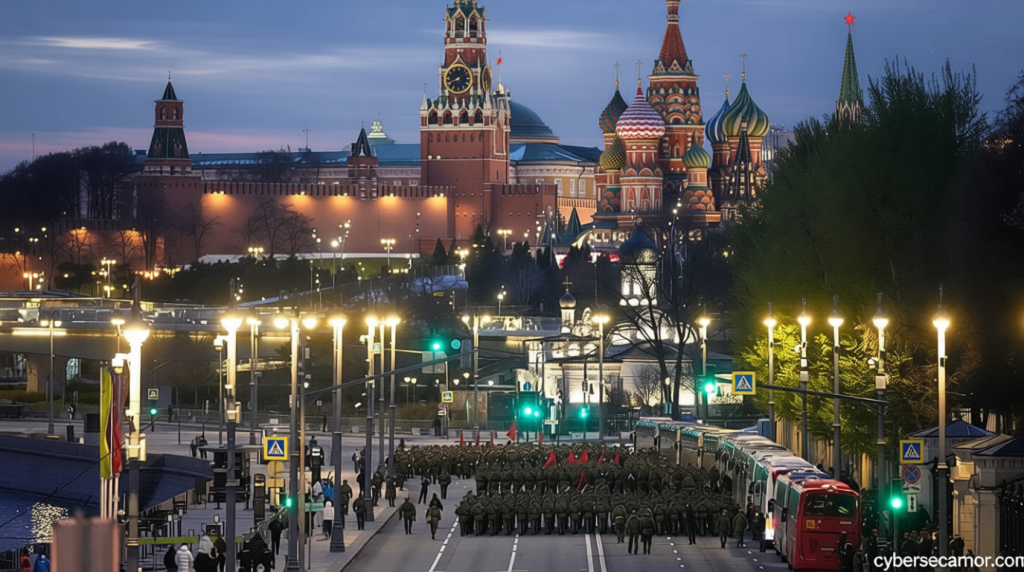
Russia unilaterally declares Victory Day ceasefire – On May 8, 2026, Russia announced a unilateral ceasefire during its Victory Day celebrations, marking the 81st anniversary of the Great Patriotic War. The agreement, set to begin at dawn, aims to suspend hostilities for two days, from May 8 to May 9, as part of Moscow’s effort to highlight its military achievements. This decision comes as Russia prepares to honor its wartime legacy, with the ceasefire serving as a symbolic gesture. However, the move carries a clear warning: if Ukraine does not comply, a significant missile strike is expected. The truce was first floated during a recent call between Russian President Vladimir Putin and U.S. President Donald Trump, signaling a shift in Moscow’s strategy to ease tensions.
Conditions and Strategic Intent
The Russian Defence Ministry outlined the terms of the ceasefire, emphasizing its unilateral nature. According to official statements, the pause in fighting will apply across the front lines, with Moscow urging Ukraine to adopt a similar stance. The agreement is seen as a diplomatic maneuver to create a window for negotiations, especially as the city prepares for its annual military parade. Yet, the threat of a retaliatory strike remains a key component, underscoring the precarious balance between peace and conflict. This strategy also aims to draw international attention to Russia’s efforts to de-escalate the war.
Zelenskyy’s Counterproposal
Ukrainian President Volodymyr Zelenskyy had already put forth his own ceasefire plan, which began earlier—on May 5–6. In a social media post, he called for a synchronized halt to hostilities, arguing that Russia’s agreement lacked clear communication. Zelenskyy’s proposal is framed as a bid to encourage reciprocal action, with the goal of creating conditions for peace talks. His move reflects both a response to Russia’s announcement and a push for Ukraine to assert its position in the negotiations. The two proposals highlight the diverging approaches between the leaders.
Recent Escalations and Civilian Impact
Despite the ceasefire plans, recent attacks have intensified the war’s toll. In Kharkiv, a Russian strike on Merefa killed seven civilians, including a young boy, while another attack in Vilnyansk claimed two lives and wounded several others. These incidents, occurring close to the front lines, demonstrate the ongoing volatility of the conflict. The Russian military’s focus on civilian infrastructure has raised concerns about the effectiveness of the ceasefire, as the violence continues to disrupt daily life. The Ukrainian government has yet to confirm full compliance, leaving the terms of the agreement uncertain.
Geopolitical Dynamics
As the ceasefire takes effect, the geopolitical landscape remains tense. The U.S.-led diplomatic efforts have been complicated by the war’s persistent violence, with both sides trading strikes in the early stages of the truce. Russia’s timing of the agreement, coinciding with its Victory Day commemorations, is designed to showcase military dominance and secure political leverage. Meanwhile, Ukraine’s earlier proposal seeks to establish a more immediate pause, allowing for the possibility of dialogue. Analysts suggest these moves reflect a broader attempt to balance strategic goals with the pressure for a resolution.
The Russian government has issued urgent calls for civilians and foreign diplomats to evacuate the capital ahead of the ceasefire. This precaution highlights the risks associated with the agreement, as Moscow prepares for a potential retaliation if conditions are not met. The message was posted on the state-backed platform MAX, reinforcing the government’s narrative of control and foresight. As the two-day truce begins, the world watches to see whether it marks a genuine step toward peace or a temporary reprieve in an ongoing conflict.

