
Diplomats survey Karabakh reconstruction as peace settles in
Diplomats survey Karabakh reconstruction as peace settles in
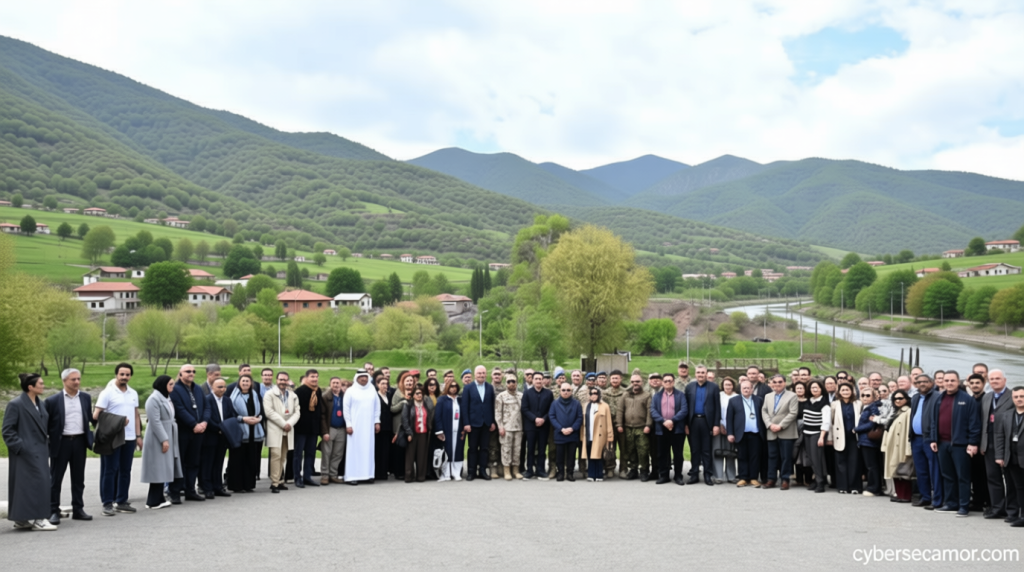
Diplomats survey Karabakh reconstruction as peace – With the recent stabilization of relations between Armenia and Azerbaijan, a group of diplomats from the United States and European Union nations concluded a visit to Karabakh’s post-war rebuilding sites over the weekend. The mission aimed to assess the pace of recovery efforts in the region, which has seen significant progress in infrastructure restoration and community development. As the peace process gains momentum, international stakeholders are increasingly focused on how to sustain the momentum and ensure lasting cooperation between the two countries.
Reconciliation Efforts and Diplomatic Support
The delegation, which included representatives from multiple European Union member states, was particularly interested in observing the tangible outcomes of the reconstruction initiatives. Dutch Ambassador Marianne de Jong emphasized the importance of these visits, stating that they provided a window into the practical steps being taken to rebuild the region. “The Netherlands, as part of the EU, is committed to supporting the reconciliation process between Armenia and Azerbaijan,” she noted. “This visit allows us to evaluate the progress of renovations and understand how to contribute more effectively to the region’s recovery.”
“We fully support the reconciliation process, which is a crucial step toward a stable and prosperous future for both nations,” said de Jong. “By focusing on connectivity and investment, we hope to foster economic integration and strengthen ties that have been strained for decades.”
De Jong’s comments highlighted the EU’s growing involvement in the peace process, which has been bolstered by a series of political and economic agreements. The Netherlands, in particular, has been positioning itself as a key player in promoting cross-border collaboration, especially in areas such as transportation and energy. These efforts are seen as vital for ensuring that Karabakh’s reconstruction not only addresses immediate needs but also lays the groundwork for long-term regional unity.
Ukraine’s Perspective on Regional Peace
Ukraine’s Ambassador Yuriy Husyev also joined the delegation, underscoring the broader implications of the peace process in the South Caucasus. “This example demonstrates how two nations can resolve a decades-old conflict while adhering to international law,” Husyev remarked. “It serves as a model for other regions facing similar challenges.” His statement reflected the country’s interest in the success of the Karabakh settlement, which has drawn attention from global actors seeking to apply similar strategies to other disputes.
“The peace process in Karabakh is a testament to the power of dialogue and mutual respect,” Husyev added. “It shows that even after years of tension, cooperation can lead to meaningful progress and shared prosperity.”
Husyev’s remarks were echoed by other diplomats, who emphasized the role of international mediation in facilitating trust between the two nations. The visit to Karabakh’s reconstruction sites was not merely symbolic; it was intended to showcase how the physical and economic renewal of the region could reinforce diplomatic achievements. With the support of global partners, the focus is now on ensuring that these efforts are coordinated and sustainable.
US Leadership in the Peace Process
The United States has played a central role in the peace process, with its embassy in Baku highlighting its continued engagement in the region. Deputy Chief of Mission Amy Carlon spoke to Euronews about Washington’s collaboration with Baku, stating that both countries have been working closely to implement peace agreements and deepen bilateral partnerships. “Baku and Washington are taking concrete steps to translate peace into action,” Carlon explained. “This includes funding projects that promote shared development and security.”
“The U.S. has been a consistent advocate for resolving the conflict through diplomacy, and our partnership with Azerbaijan is critical to this effort,” said Carlon. “By investing in infrastructure and connectivity, we aim to create a foundation for lasting peace and economic growth in the region.”
Carlon’s comments aligned with broader U.S. policies that prioritize regional stability as a key component of global security. The American presence in Azerbaijan has been instrumental in bridging gaps between the two nations, particularly through initiatives that address the practical needs of the population. This includes rebuilding critical infrastructure such as roads, power grids, and public services, which are essential for restoring normalcy in the region.
Infrastructure as a Symbol of Unity
As the peace process matures, reconstruction efforts in Karabakh are becoming a powerful symbol of the two countries’ commitment to reconciliation. The physical transformation of the region, from damaged buildings to new public spaces, reflects a shared vision of a united South Caucasus. Infrastructure projects, such as the revitalization of transportation networks and the construction of residential complexes, are not only improving living conditions but also fostering a sense of collective progress.
These projects are being implemented with the assistance of international donors and local governments, ensuring that the benefits are distributed equitably. The Dutch and Ukrainian ambassadors, among others, have expressed confidence in the region’s ability to overcome past divisions through joint initiatives. “The reconstruction of Karabakh is more than just rebuilding cities; it’s about creating a space where cooperation can flourish,” de Jong remarked during the visit.
While challenges remain, the steady advancement of reconstruction efforts has provided a tangible sense of hope for the region’s future. The involvement of diverse international actors has also introduced new opportunities for collaboration, with each country bringing unique expertise to the table. For instance, the Netherlands is leveraging its experience in sustainable development to guide Karabakh’s environmental recovery, while Ukraine has shared insights on how to integrate smaller nations into larger regional frameworks.
Looking Ahead: Sustaining Peace and Progress
As the delegation departed Karabakh, the emphasis was on maintaining the momentum of the peace process. The visit underscored the importance of continuous diplomatic engagement, as well as the need to address lingering concerns that could threaten stability. Experts suggest that the success of the current initiatives will depend on sustained investment and the willingness of both nations to prioritize mutual interests over historical grievances.
Delegates acknowledged that the peace process is still in its early stages, with much work ahead to solidify the region’s future. “This is just the beginning,” Carlon said. “The real test will be in ensuring that the agreements made today are honored in the long term.” The reconstruction of Karabakh, however, offers a tangible example of how progress can be measured and how cooperation can lead to tangible results.
The upcoming months will be crucial for both Armenia and Azerbaijan as they navigate the complexities of a new era. With international support and a shared commitment to rebuilding, the region is on track to emerge stronger, more connected, and more unified. As the diplomats returned to their respective capitals, the message was clear: Karabakh’s transformation is not only about repairing the damage of war but also about laying the groundwork for a peaceful and prosperous future for all.

