
Portugal arrests further 15 police officers in ongoing Lisbon rape and torture probe
Portugal arrests further 15 police officers in ongoing Lisbon rape and torture probe
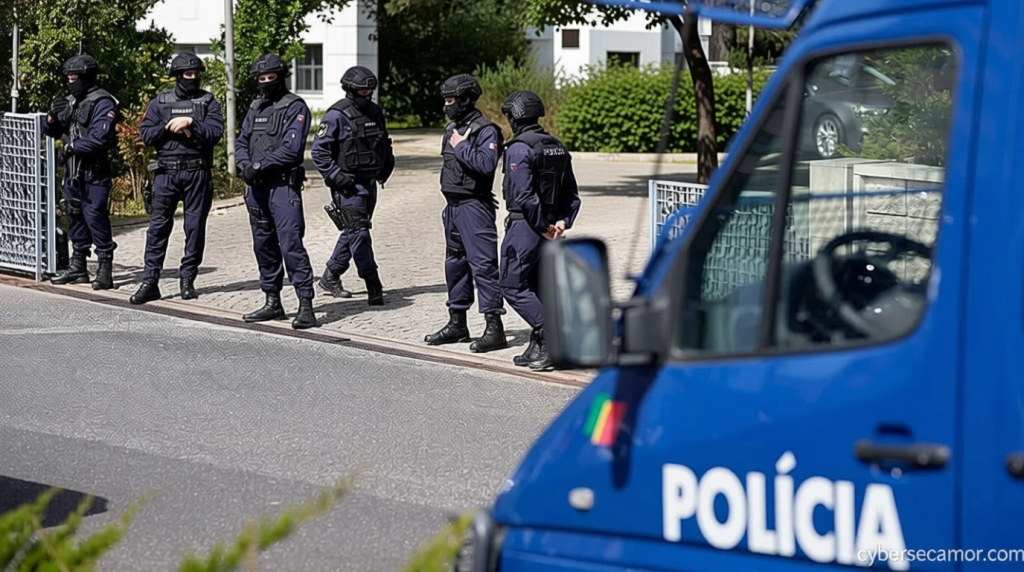
Portugal arrests further 15 police officers – On Tuesday, an additional 15 police officers linked to allegations of torture and abuse of vulnerable individuals were detained in Portugal, marking a significant escalation in the country’s probe into systemic misconduct within its law enforcement agencies. The investigation, which has already implicated 24 officers, now spans a broader network of police stations and includes charges of “aggravated torture, rape, abuse of power and aggravated assault,” as confirmed by authorities. This development follows a series of raids and searches conducted by investigators, who targeted multiple locations across the Portuguese capital, including two police stations believed to be central to the abuse cases.
Victims Primarily from Marginalized Groups
According to reports from Portuguese media, the individuals subjected to alleged mistreatment were predominantly from vulnerable populations—such as undocumented immigrants, homeless persons, and drug users. These groups, often lacking legal protections or social support, have become the focus of the probe, which has drawn attention to the power dynamics within the police force. The case has sparked public concern, with critics questioning the extent to which law enforcement is holding itself accountable for the alleged crimes.
“We enforce a zero-tolerance policy toward cases of misconduct,” said Luís Carrilho, the police director, when asked about the investigation on Monday. He emphasized that citizens can continue to trust the police, despite the current controversies. However, this statement has been met with skepticism, as the ongoing arrests and searches suggest a deeper institutional issue.
Authorities have not yet released the specific names of the 15 newly detained officers, but the total number of suspects has grown to 24, with each accused of different but related offenses. The investigation has also led to the execution of around 30 searches, uncovering evidence that has been used to support the charges. These actions indicate a comprehensive effort to trace the reach of the alleged abuses, which may involve both individual misconduct and coordinated patterns of behavior.
Previous Arrests and Legal Justifications
In March, seven police officers were already taken into custody on similar charges, including torture, rape, and abuse of power, following incidents at a Lisbon police station. The court at that time authorized their pre-trial detention, citing risks such as continued criminal activity, disruption of public order, and potential tampering with evidence. This decision has been defended by officials as necessary to ensure the integrity of the investigation.
The Public Security Police (PSP) officers arrested in March were connected to the Rato Police Station, where the alleged crimes occurred. The PSP’s Lisbon Metropolitan Command has since issued a statement condemning the actions of the officers, calling them “a flagrant violation of these principles” and asserting that the institution itself reported the incidents to the Public Prosecutor’s Office. This move underscores the internal acknowledgment of the problem, even as the probe continues to widen.
Expanding the Scope of the Investigation
Portuguese newspaper Correio da Manhã noted that the investigation is expected to involve up to 70 officers from various stations, including some with senior ranks. The scale of the probe suggests that the abuse of power may be more widespread than initially thought, with officers potentially acting in collusion or independently to target the most vulnerable individuals. The indictment details how the accused chose victims from marginalized communities, exploiting their lack of resources and legal recourse.
The case has drawn comparisons to other instances of police misconduct in Europe, with some analysts pointing to systemic issues that allow such behavior to persist. The latest arrests add to a growing list of officers implicated in the scandal, which has already seen two PSP personnel in pre-trial detention for similar charges since July of last year. These officers were arrested during raids targeting multiple Lisbon stations, where they were accused of possibly committing crimes like torture, physical integrity violations, embezzlement, and forgery.
The legal process has been swift, with formal charges against the officers issued in January. This timeline highlights the urgency with which authorities are addressing the allegations, even as questions remain about the thoroughness of the investigation. The police force’s reputation has been further damaged by the repeated arrests, which have raised concerns about transparency and accountability within the institution.
Public Reaction and Institutional Response
While the PSP has reiterated its commitment to rectifying the situation, public sentiment remains divided. Some citizens have expressed solidarity with the victims, demanding stricter oversight and reforms to prevent future abuses. Others, however, argue that the police are being unfairly targeted and that the investigation is politically motivated. The police director’s insistence on maintaining public confidence has been challenged by the ongoing legal actions, which have left many questioning the extent of the force’s commitment to justice.
As the probe continues, officials are under pressure to provide more details about the evidence linking the officers to the alleged crimes. The use of terms like “aggravated torture” and “aggravated assault” suggests that the cases are not isolated incidents but part of a pattern of abuse. This pattern may involve both physical and psychological harm, with victims often left without adequate support or compensation after the incidents.
The investigation into Lisbon’s police stations has also prompted calls for a broader review of the institution’s practices. With 15 more officers arrested and the number of suspects rising, the scope of the probe has expanded significantly. This development has the potential to reshape public perceptions of law enforcement in Portugal and could lead to long-term changes in how officers interact with vulnerable populations.
As the legal proceedings unfold, the focus will remain on the accountability of the accused and the steps taken to ensure justice for the victims. The PSP’s statement about reporting the facts to the Public Prosecutor’s Office highlights its internal efforts to address the issue, but the continued arrests indicate that more work is needed. The case serves as a reminder of the importance of transparency in law enforcement and the need for systemic reforms to protect the rights of all individuals, regardless of their social status.
With the investigation now involving 70 officers, the potential for uncovering additional wrongdoing grows. This includes the possibility of high-ranking officers being implicated, which could further impact the police force’s credibility. The process of identifying and prosecuting those responsible will likely take time, but the momentum of the case suggests that the authorities are determined to make progress. As the probe continues, it remains a critical moment for Portugal’s law enforcement system, testing its ability to confront internal corruption and uphold the principles of justice.

