
Hantavirus ship evacuees to be taken to Netherlands but timeline unclear, cruise line says
Hantavirus Ship Evacuees to Be Taken to Netherlands, but Timeline Unclear, Cruise Line Says
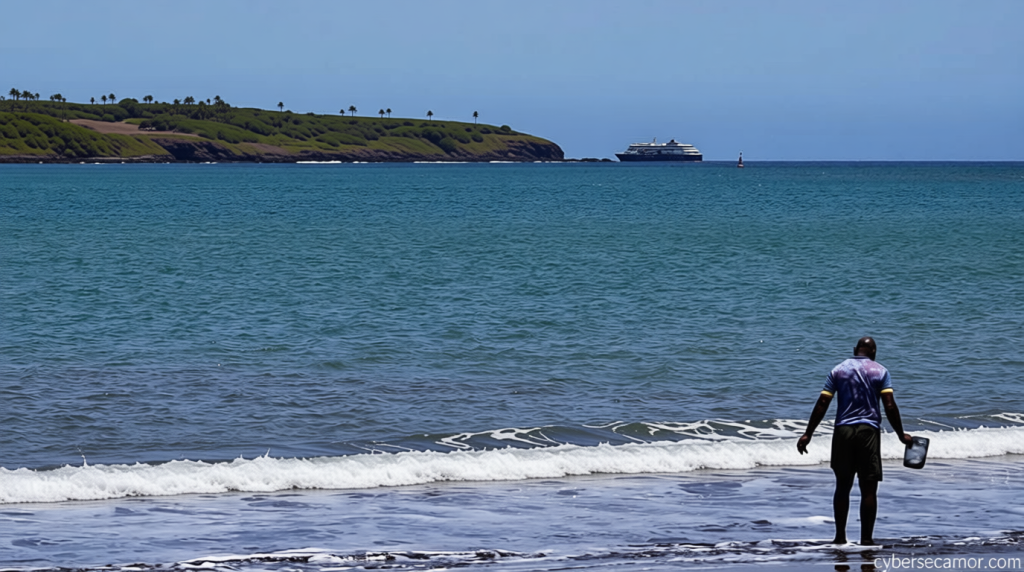
Hantavirus ship evacuees to be taken – A cruise ship affected by a hantavirus outbreak has announced plans to evacuate two ill passengers to the Netherlands, though the exact schedule remains unspecified. The vessel’s Dutch-based operator, Oceanwide Expeditions, stated on Tuesday that the medical transfer would involve two specialized aircraft currently traveling to Cape Verde. The ship, the MV Hondius, is expected to head toward the Canary Islands—either Gran Canaria or Tenerife—after the evacuees are in transit, with the journey estimated to take three days. Despite these updates, the cruise line has not provided a clear timeline for the evacuation process.
Evacuation Details and Medical Context
“The evacuation of two individuals who require urgent medical attention, along with the relative of the guest who succumbed to the virus on 2 May, will proceed using two specially equipped aircraft en route to Cape Verde,”
Oceanwide Expeditions clarified in a statement. This development follows reports of a hantavirus outbreak linked to the ship, which has raised concerns about the spread of the disease. The MV Hondius, anchored off the coast of Cape Verde, has been at the center of an international health alert since Saturday when the virus was suspected as the cause of three passenger deaths.
Hantavirus, typically transmitted from infected rodents through urine, droppings, and saliva, has been identified as a possible culprit in the current incident. The disease is known for its severity, with symptoms ranging from fever and respiratory distress to more critical complications. While the cruise line emphasized that the evacuation process is underway, the timeline for when the patients will arrive in the Netherlands has not yet been determined. This ambiguity has left families and health officials in the dark about the next steps in the crisis.
WHO’s Global Response and Contact Tracing
The World Health Organisation (WHO) has taken an active role in addressing the outbreak, initiating contact tracing efforts for passengers who traveled on a flight from Saint Helena to Johannesburg. The 25 April flight, operated by South African carrier Airlink, carried 82 passengers and six crew members, including a Dutch woman whose husband died of hantavirus while aboard the MV Hondius. According to the WHO, this woman exhibited gastrointestinal symptoms upon disembarking from the ship on 24 April and later passed away in a Johannesburg hospital on 26 April.
“Contact tracing for passengers on the flight has been initiated,”
the WHO stated, highlighting their efforts to identify individuals potentially exposed to the virus. This action comes after the virus was confirmed in tests conducted on 4 May, marking a critical milestone in the investigation. The WHO also noted that they are considering the possibility of person-to-person transmission on the cruise ship, which is currently moored near Cape Verde. This hypothesis adds complexity to the situation, as it suggests the outbreak may have spread beyond the initial rodent source.
Meanwhile, the cruise line has not fully disclosed the status of all affected individuals. Two confirmed deaths and five suspected cases have been reported so far, with the German passenger being the second victim. The operator’s statement provides limited insight into the broader impact of the outbreak, focusing primarily on the evacuation process. This has led to questions about the extent of the crisis and the measures in place to contain it.
Local Government Actions in Saint Helena
The British overseas territory of Saint Helena, which has a population of approximately 4,400 residents, has taken steps to mitigate potential risks from the cruise ship’s outbreak. The government confirmed that two passengers with mild symptoms had arrived on the island and may have had contact with the local community. “While the virus can be severe, no cases of this illness have been identified in Saint Helena,”
the government stated. “There is currently no significant cause for concern on the island.” This reassurance comes as authorities continue a risk-based contact tracing process to identify and notify individuals who may have been exposed.
Despite the local government’s confidence, the situation remains tense. Saint Helena’s remoteness and limited healthcare infrastructure could complicate efforts to manage the outbreak. The island is a key stopover for the MV Hondius, and the presence of symptomatic passengers has prompted additional precautions. These include monitoring the health of the local population and ensuring that quarantine protocols are followed for those who may have been in contact with the infected individuals.
Broader Implications and Public Health Concerns
The hantavirus outbreak on the MV Hondius has sparked international attention, underscoring the challenges of managing infectious diseases in isolated environments. The virus, which is not commonly found in the region, has raised questions about how it arrived on the ship and whether the local ecosystem plays a role in its spread. Scientists are now examining the possibility of rodent populations on the island contributing to the outbreak, particularly since the ship is known for its eco-tourism focus.
As the evacuation of the two critically ill passengers progresses, the focus shifts to the broader public health implications. The WHO’s involvement highlights the global reach of the outbreak, with the affected flight serving as a potential vector for the virus to spread to new regions. This has prompted health officials to closely monitor the situation and prepare for any additional cases that may emerge. The cruise line’s delayed timeline for the evacuation has also added to the uncertainty, leaving passengers and families anxious about the next phase of the crisis.
With the MV Hondius still in the waters near Cape Verde, the ongoing investigation into the outbreak is expected to continue. The ship’s operator has committed to providing updates as the situation evolves, but the lack of a clear timeline has created a sense of urgency. The WHO’s contact tracing efforts and Saint Helena’s local response are critical components of this process, working in tandem to address the outbreak and protect both the ship’s passengers and the island’s population. As the story unfolds, the focus remains on containment, communication, and ensuring the safety of those involved.

