
Drone strikes Moscow building just days before Russia’s Victory Day parade
Drone Strikes Moscow Building Just Days Before Russia’s Victory Day Parade
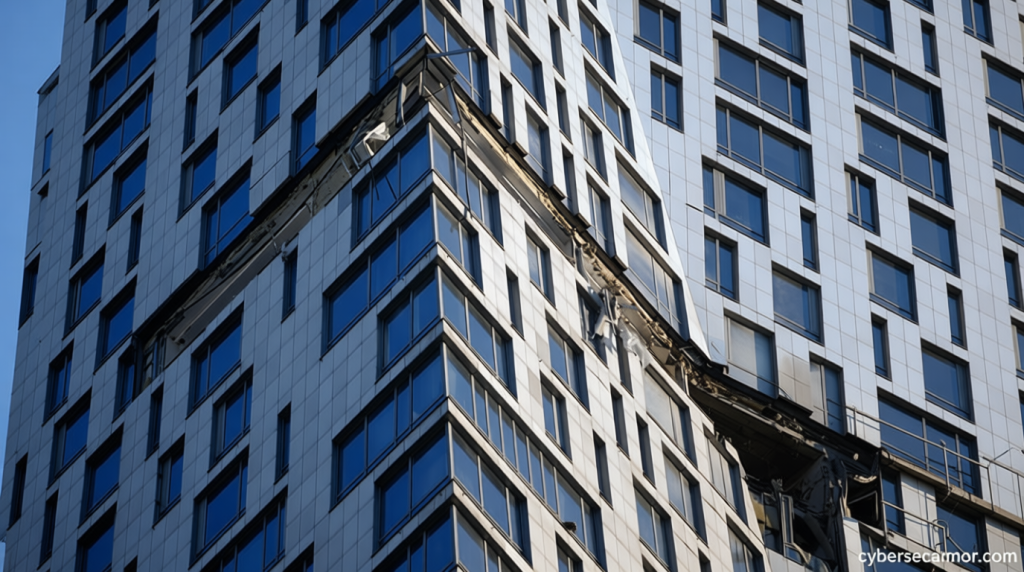
Drone strikes Moscow building just days – Overnight on Monday, Ukraine executed a drone attack targeting a residential area in Moscow, striking a high-rise building in the Russian capital, according to reports from Russian Telegram channels. The incident occurred shortly after midnight, with footage shared online capturing the drone’s low-altitude approach before it was intercepted by Moscow’s air defense systems. While initial reactions from Russian officials were measured, the mayor of Moscow, Sergey Sobyanin, took to a Kremlin-linked social media platform to confirm the event, stating that no injuries had been reported. The attack, which landed near the Mosfilm Tower—a prestigious structure located west of the city center—has drawn attention for its proximity to key landmarks and the timing of its execution.
Impact and Location Details
Residents of the area described hearing powerful explosions in the early hours of the morning, followed by the sight of debris scattered on the ground. Social media images showed visible damage to the upper floors of the targeted building, with emergency crews actively assessing the situation. The attack reportedly took place approximately seven kilometers west of the Kremlin and the central Red Square, and just three kilometers from the Russian Defence Ministry building. This location places the strike among the most significant incursions into Moscow’s core since the war began, underscoring the growing threat to the city’s infrastructure.
“The air defence systems successfully intercepted the drone launched at Moscow,” Sobyanin stated in his post. The mayor’s brief acknowledgment of the incident contrasts with the heightened sense of urgency surrounding the upcoming Victory Day celebrations. The Mosfilm Tower, a symbol of Moscow’s architectural prestige, has now become a focal point of the conflict, with its damaged state serving as a stark reminder of the war’s reach.
Ukraine’s Foreign Intelligence Service (FIS) has indicated that preparations for the Victory Day parade are being conducted with extreme caution, resembling a military lockdown. Communication networks across the city have reportedly been restricted, and thousands of air defense systems have been deployed to Moscow in anticipation of the event. The FIS described the situation as “more akin to a military operation than a festive parade,” highlighting the strategic importance of the occasion. This escalation in security measures has been further amplified by the recent drone strike, which has forced authorities to reassess their defenses.
Security Measures and Strategic Implications
The Kremlin has not only fortified Moscow’s defenses but also proposed a temporary ceasefire for the Victory Day parade. According to Russian sources, this initiative was directed solely at the U.S. administration, as the Russian government continues to avoid direct engagement with Kyiv. The decision to extend the ceasefire to the parade reflects the desire to ensure a secure display of military might, even as tensions remain high. This comes after Russia had previously announced a brief pause in hostilities for Easter, demonstrating a pattern of tactical pauses amid ongoing hostilities.
Victory Day, observed on 9 May, holds immense symbolic value for Russia, particularly under President Vladimir Putin. The holiday, once a celebration of the Soviet Union’s triumph over Nazi Germany in 1945, has evolved into a platform for showcasing the Kremlin’s control over military operations and its strategic dominance in the current conflict. The 2026 parade, however, is expected to be scaled back in scope, with officials citing “current operational conditions” as the reason for the reduction. This change signals a shift in focus from traditional displays of force to a more subdued yet deliberate demonstration of power.
Analysts suggest the drone attack could have been a test of Moscow’s readiness to defend its capital during the parade, which is set to take place just days after the incident. The strike’s timing has raised concerns among both Russian and international observers, as it challenges the city’s preparedness for potential threats. The Mosfilm Tower’s location, near the city’s central districts, also highlights the vulnerability of Moscow’s elite neighborhoods to such attacks. This marks a departure from earlier strikes, which have primarily targeted military or industrial sites.
Historical and Political Context
Victory Day has long been a cornerstone of Russian national identity, with the parade serving as a visual narrative of the nation’s resilience and military prowess. For Putin’s regime, the holiday is not just a commemoration of past victories but a political tool to reinforce narratives of strength and unity. The 2026 parade, which will feature fewer military vehicles and cadets, has been criticized as a sign of retrenchment, though officials argue it is a necessary adjustment given the evolving war dynamics.
The attack on the Mosfilm Tower also reignites debates about the role of Western allies in the conflict. While Russia has reached out to the U.S. for a ceasefire during the parade, it has maintained a defiant stance toward Ukraine, limiting direct dialogue. This diplomatic approach may be aimed at ensuring a smooth display of military power without interruptions from Ukrainian strikes. However, the incident underscores the fragility of the current situation, as Moscow’s defenses are tested by persistent threats from the east.
Residents and officials alike have expressed mixed reactions to the strike. While the mayor downplayed the incident, emphasizing the absence of casualties, some have pointed to the psychological impact of the attack on the city’s population. The drone’s ability to penetrate Moscow’s airspace despite heightened security measures raises questions about the effectiveness of the defenses and the potential for larger-scale attacks in the future. The Mosfilm Tower, though not a critical infrastructure site, symbolizes the broader reach of the conflict and the interconnectedness of Moscow’s urban and political landscape.
As the country prepares for the parade, the attack serves as a reminder of the unpredictable nature of the war. Despite the Kremlin’s efforts to secure the event, the incident highlights the challenges of maintaining stability in a city that has become a frequent target of Ukrainian strikes. The combination of tightened security, the proposed ceasefire, and the scaled-back parade reflects a complex interplay of strategic priorities and the evolving narrative of the conflict. For Moscow, the day of celebration is now intertwined with the reality of ongoing hostilities, and the city’s resilience will be put to the test in the weeks to come.
The strike also prompts comparisons with previous incidents, such as the attack on the Russian Defence Ministry building, which occurred earlier in the year. While both events demonstrate Ukraine’s ability to strike deep into Russian territory, the Mosfilm Tower incident is notable for its proximity to the city’s heart. The strategic placement of the target suggests a deliberate effort to disrupt the symbolic and logistical preparations for the Victory Day parade, further complicating the Kremlin’s plans for the event.
In response to the attack, Russian officials have called for increased vigilance and coordinated efforts to bolster defenses. The movement of hundreds of air defense systems to Moscow underscores the seriousness with which the incident is being treated. As the city gears up for the parade, the incident may influence the overall tone of the event, potentially incorporating elements of heightened alertness into the display of military strength. The balance between celebration and caution has become a defining feature of this year’s Victory Day, with the drone strike serving as a pivotal moment in the narrative.

