
Brussels mulls scrapping methane fines amid energy crisis – leak
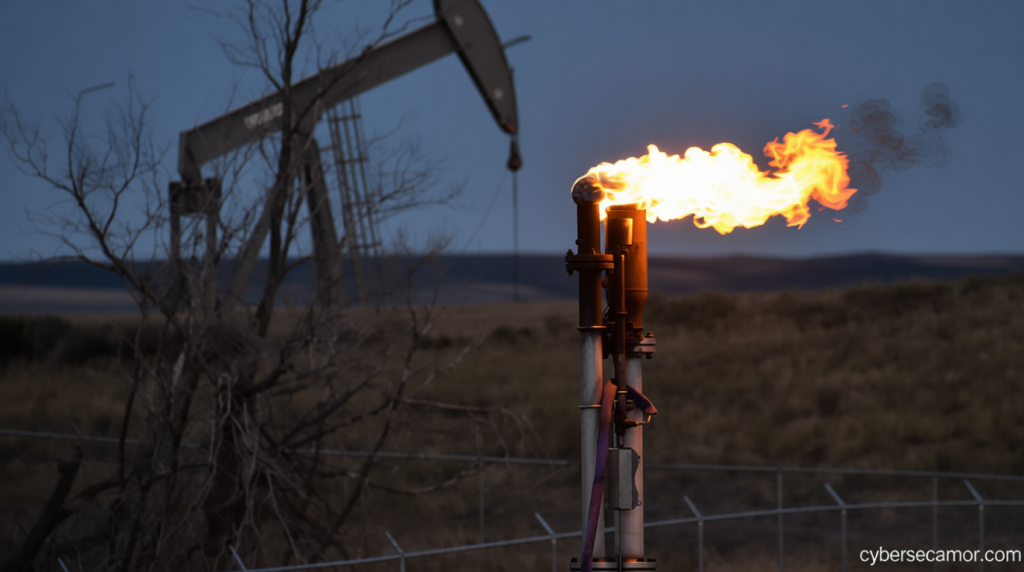
Brussels Considers Halting Methane Fines Amid Energy Crisis
Brussels mulls scrapping methane fines amid – A leaked internal document has revealed that the European Commission is exploring the possibility of halting methane emission fines for oil and gas producers during periods of gas shortages, emergency storage needs, or significant oil supply disruptions. The draft proposal, shared with EU member states, argues that penalties should not impede energy supply stability during times of market volatility, a shift that could signal growing industry influence over regulatory decisions. This potential adjustment has raised concerns among environmental advocates, who fear it may weaken the EU’s commitment to reducing greenhouse gas emissions.
Industry Pressure and Market Concerns
Oil and gas producers, alongside U.S. Energy Secretary Chris Wright, have long urged Brussels to either remove or ease the methane rules, warning that stringent enforcement could destabilize trade and investment flows. The argument centers on the current energy crisis, which has heightened the urgency for suppliers to prioritize reliability over environmental compliance. With Europe’s energy landscape increasingly reliant on imported liquefied natural gas (LNG)—primarily sourced from the U.S.—the Commission faces pressure to avoid measures that might push supplies toward more competitive Asian markets.
The proposed flexibility in enforcement highlights a balancing act between environmental goals and energy security. Critics suggest that this move is a strategic concession to industry demands, potentially prioritizing short-term market stability over long-term climate targets. A Commission spokesperson previously emphasized that the regulation aims to ensure consistent application of penalties without compromising the EU’s energy supply chain. However, the latest draft appears to introduce additional leeway for energy operators to justify reduced fines in crisis scenarios.
March Study Sparks Debate
Recent industry analysis, conducted by a coalition of energy groups and Wood Mackenzie, has intensified calls for regulatory adjustments. The study projects that 43% of EU gas imports and 87% of oil imports could fail to meet methane emission standards by 2027, prompting fears of compliance challenges. These findings have fueled arguments that the rules might become unworkable, especially as the EU’s energy infrastructure faces aging equipment and fluctuating supply chains.
The report underscores the tension between the EU’s environmental ambitions and its practical energy needs. While methane is a critical component of the bloc’s climate strategy, its strict enforcement could create logistical hurdles for suppliers. This dilemma has prompted discussions about revising the framework to accommodate market realities without sacrificing emission reduction targets. The Commission’s draft proposal now allows regulators to weigh factors like LNG availability and storage obligations when determining penalties, reflecting this evolving perspective.
Legislative Framework and Compliance Measures
The EU’s methane regulation, enacted in May 2025, established the bloc’s first comprehensive system for tracking, reporting, and verifying emissions from the energy sector. This framework requires energy operators to detect and repair leaks, measure emissions at the source, and implement mitigation strategies across their networks. The rules also extend to imported energy, integrating global monitoring tools to enhance transparency for LNG, gas, and coal entering the EU.
Under the legislation, companies must submit detailed monitoring reports verified by independent third parties. Additionally, they are tasked with conducting regular surveys to identify methane leaks in various infrastructure types, such as pipelines and storage facilities. In cases where leak levels exceed predefined thresholds—due to factors like infrastructure decay, maintenance lapses, or accidents—operators are mandated to address the issue within specified timeframes.
Compliance also includes compiling inventories of inactive and abandoned assets, such as wells and mines, to track residual emissions. This requirement ensures that the entire lifecycle of fossil fuel operations is accounted for, from extraction to decommissioning. Despite these measures, the latest proposal introduces a degree of flexibility that critics argue could dilute the effectiveness of the regulation.
U.S. Stance and Methane Emission Trends
Chris Wright, U.S. Energy Secretary, has defended the nation’s methane performance, stating that it is “outstanding” and driven by market forces rather than regulatory mandates. In a February address to the International Energy Agency (IEA), Wright highlighted that declining methane emissions in the U.S. were largely a result of investment-driven improvements, not strict enforcement. “We’re about innovation, not regulation,” he said, adding that better methodologies will continue to reduce methane intensity in the sector.
“Methane emissions went down in the U.S. over the past years, not because of regulators but investment concerns. We’re about innovation, not regulation, and we will continue to drive down methane intensity with better methodology,” Wright said.
Wright’s comments align with a broader U.S. strategy to position itself as a reliable energy partner for the EU. Several Democratic lawmakers in the U.S. have since echoed this sentiment, urging the EU to maintain its methane rules to secure long-term trade agreements. However, the Commission’s proposed adjustments suggest a willingness to align with U.S. interests, potentially softening the impact of its climate policies.
Implications for EU Climate Goals
Environmental groups have criticized the Commission’s draft proposal as a step backward in the fight against climate change. They argue that embedding broad flexibility into the enforcement system risks undermining the legislation’s credibility and effectiveness. Methane, a potent greenhouse gas, is estimated to have contributed about 30% to the rise in global temperatures since the Industrial Revolution, according to the IEA. Its global warming potential is over 80 times greater than carbon dioxide over a 20-year period, making it a key target for emission reduction efforts.
The proposed changes could also affect the EU’s ability to hold energy suppliers accountable for their environmental impact. By allowing temporary suspensions of fines during crises, the Commission may inadvertently signal that energy security takes precedence over emission targets. This could lead to a situation where companies have less incentive to invest in leak detection and repair technologies, potentially slowing progress on decarbonization.
While the regulation’s temporary nature is noted, its implementation remains a critical test for the EU’s climate commitments. The debate over methane fines reflects the complex interplay between environmental sustainability and economic pragmatism. As the energy sector navigates this balancing act, the outcome will shape the EU’s approach to both climate action and international energy partnerships. The final decision will determine whether the bloc can maintain its environmental leadership while addressing immediate energy challenges.

