
Iran’s president says he met Ayatollah Mojtaba Khamenei amid persistent health rumours
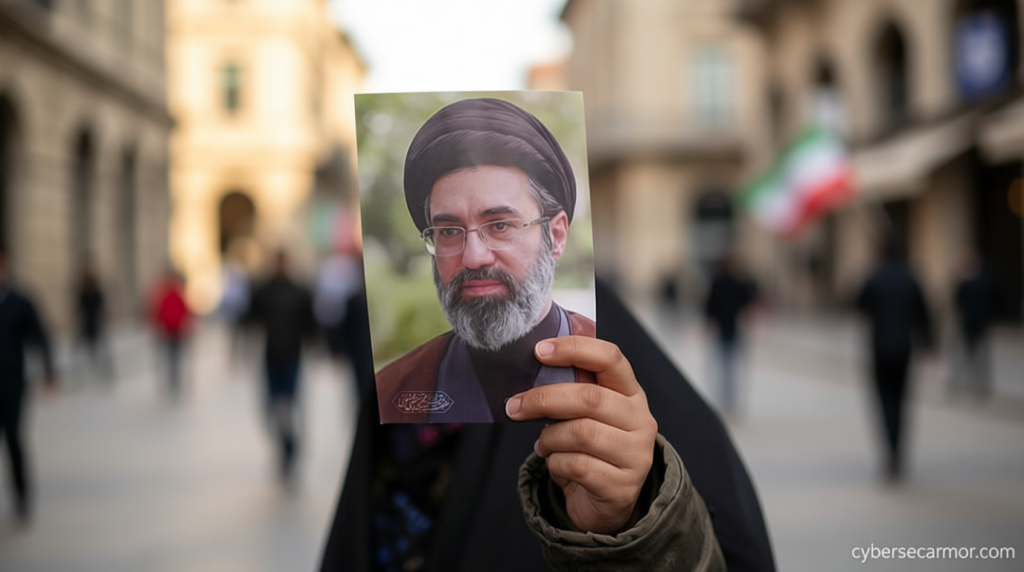
Iran’s President Meets Ayatollah Mojtaba Khamenei Amid Health Rumors
Official Confirmation of the Encounter
Iran s president says he met Ayatollah Mojtaba Khamenei in a recent meeting that has reignited discussions about the supreme leader’s health. Iranian President Masoud Pezeshkian confirmed the meeting during a speech to trade union representatives, marking the first public acknowledgment of his interaction with Mojtaba Khamenei since the latter’s appointment following the death of Ayatollah Ali Khamenei. The two-and-a-half-hour session occurred amid ongoing speculation about Mojtaba’s physical condition, with Pezeshkian offering no details on the meeting’s specifics but emphasizing its “unmediated” nature.
“What stood out to me more than anything else in this meeting was (Mojtaba Khamenei’s) manner, perspective, and deeply sincere and humble behaviour, an approach that transformed the atmosphere into one based on trust, calmness, empathy, and direct dialogue,” Pezeshkian said.
The encounter comes as Mojtaba Khamenei faces persistent health-related questions. Since assuming the role of supreme leader, he has been largely absent from public appearances, with no official video or audio statements released. This absence has fueled speculation about his ability to lead, with some reports suggesting injuries from initial strikes and others questioning his physical state. Despite the lack of direct visibility, state media has occasionally attributed statements to him, though their authenticity remains unverified.
Health Speculation and Public Discourse
Earlier reports from the New York Times, citing four Iranian officials, claimed Mojtaba Khamenei suffered severe injuries during the opening attacks of the war. The account described multiple surgeries on his legs and arms, along with facial and lip burns affecting his speech. US Defence Secretary Pete Hegseth supported these claims, stating Mojtaba had been “wounded” and “disfigured.” However, Tehran has not yet confirmed these details, leaving the narrative open to interpretation.
Meanwhile, a mural unveiled in an Iranian city depicted Mojtaba Khamenei alongside figures like his father, Ayatollah Ali Khamenei, and former IRGC Quds Force commander Qassem Soleimani. The image, which includes deceased leaders, has sparked debate about its symbolism versus strategic intent. Tasnim News Agency, linked to the IRGC, initially labeled Mojtaba as the “martyred leader of the revolution” before clarifying it was a misstatement.
Domestic Challenges and Political Transition
Pezeshkian used the meeting as an opportunity to address broader domestic issues, including energy management and fiscal discipline. He stressed the importance of unity in navigating Iran’s current challenges, particularly during the war. “People should not simply be accused of corruption, treason or espionage, creating false boundaries between different sections of society,” he warned. This message aligns with Iran’s judiciary’s increased use of severe penalties, including executions, since the conflict began.
Despite the meeting, health rumors surrounding Mojtaba Khamenei persist. His lack of public appearances has led to theories ranging from minor injuries to critical conditions. Some analysts suggest his absence is a calculated effort to project strength, while others view it as a sign of genuine health concerns. The contrast between his portrayal in the mural and reported injuries adds to the confusion, highlighting the need for clearer communication from the administration.
As the war continues to influence Iran’s political landscape, Mojtaba Khamenei’s role as spiritual and political leader remains under close scrutiny. His appointment followed the passing of Ayatollah Al.

